


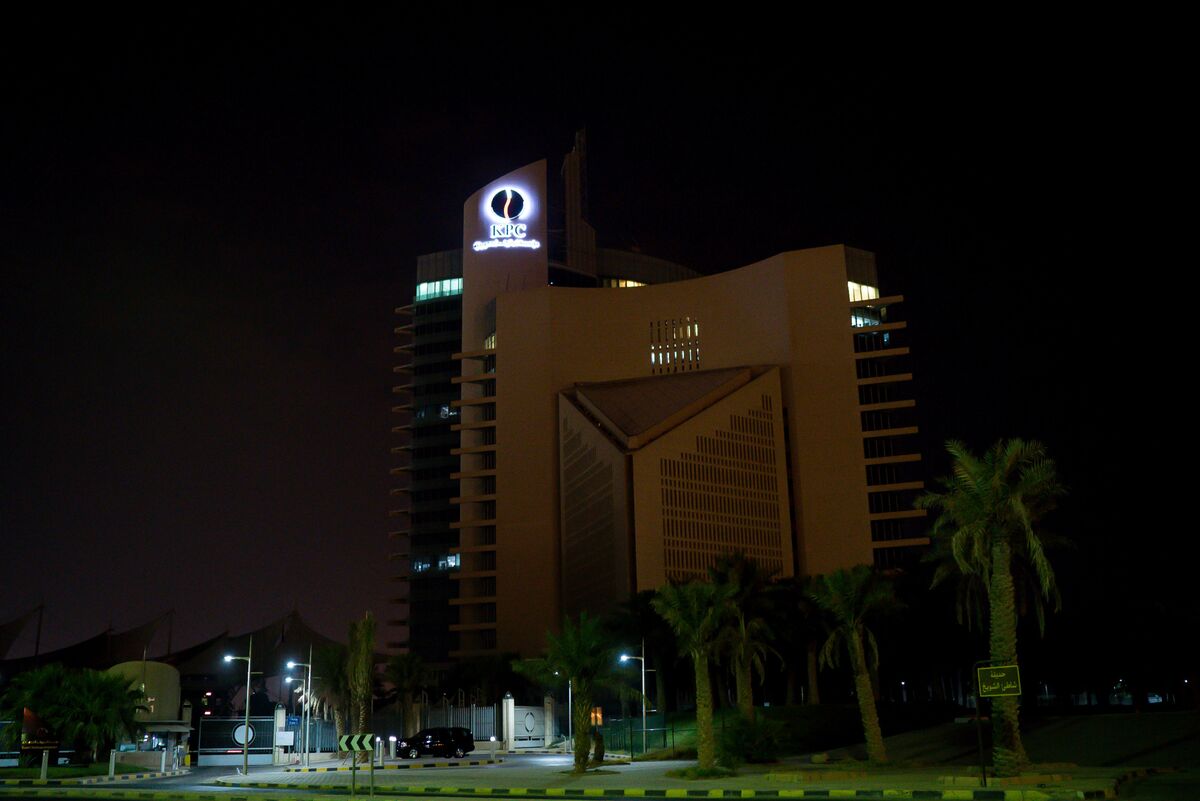

Explosion at Kuwait Petroleum Corp. Headquarters Marks Latest Escalation in Iran’s Regional Tensions
KUWAIT CITY, Kuwait – In a dramatic escalation of regional hostilities, the headquarters of Kuwait Petroleum Corp. (KPC), the state-owned oil giant, was engulfed in flames on Tuesday following a targeted strike by unmanned drones. The attack, widely attributed to Iranian-backed forces, marks the latest in a series of provocations by Tehran against its Persian Gulf neighbors. The incident has sent shockwaves through the region, raising fears of further destabilization in an already volatile geopolitical landscape.
The fire erupted in the early hours of the morning, with thick plumes of black smoke billowing into the sky above Kuwait City’s skyline. Emergency services rushed to the scene, battling flames that engulfed multiple floors of the building. While initial reports suggest no fatalities, several injuries were reported among staff and first responders. The extent of the damage to KPC’s operations remains unclear, but the attack has drawn sharp condemnation from Kuwaiti officials and regional allies.
A Bold Statement Amid Rising Tensions
The drone strike on Kuwait Petroleum Corp., a cornerstone of Kuwait’s economy and a key player in global energy markets, is seen as a bold and calculated move by Iran or its proxies. The attack comes amid escalating tensions between Tehran and its Gulf neighbors, particularly Saudi Arabia and the United Arab Emirates (UAE), as well as ongoing diplomatic stalemates over Iran’s nuclear program. Over the past year, Iranian-backed forces have been accused of carrying out similar attacks, including strikes on oil facilities in Saudi Arabia and commercial vessels in the Gulf of Oman.
Kuwait, traditionally seen as a mediator in regional disputes, has largely avoided direct involvement in the escalating conflict. However, the targeting of its national oil company suggests a shift in tactics by Iran or its allies, potentially aiming to exert pressure on Kuwait’s government or send a broader message to the Gulf Cooperation Council (GCC) nations.
Context: A Region on Edge
The Persian Gulf has long been a flashpoint for geopolitical tensions, driven by competition for regional dominance, control of critical oil shipping lanes, and ideological rivalries between Iran and its Sunni-majority neighbors. Since the United States’ withdrawal from the 2015 Iran nuclear deal in 2018, tensions have soared, with Tehran ramping up its enrichment of uranium and engaging in increasingly provocative military actions.
In recent years, Iran has leveraged its network of proxy groups across the Middle East, including Yemen’s Houthi rebels and Iraqi militias, to challenge its adversaries. These groups have been implicated in numerous attacks on energy infrastructure, maritime vessels, and other strategic targets, often using drones and missiles. The tactic of employing unmanned aerial vehicles (UAVs) has proven particularly effective, allowing for precision strikes with minimal risk to human operators.
The attack on KPC’s headquarters underscores the vulnerability of critical infrastructure in the region, even in nations once considered relatively insulated from direct conflict. Kuwait, which holds some of the world’s largest oil reserves and is a key member of OPEC, now faces the daunting task of securing its facilities against increasingly sophisticated threats.
Reactions and Implications
The strike has elicited strong reactions from regional and global powers. Kuwait’s Foreign Ministry issued a statement condemning the attack as “an act of aggression” and vowed to pursue “all necessary measures to safeguard national security.” The GCC, a coalition of Gulf states, echoed this sentiment, calling for international action to address Iran’s destabilizing activities.
The United States, a longstanding ally of Gulf nations, swiftly expressed solidarity with Kuwait. A spokesperson for the U.S. State Department described the attack as “unacceptable” and reiterated Washington’s commitment to defending its partners in the region. Meanwhile, analysts warn that the incident could further complicate efforts to revive the Iran nuclear deal, known formally as the Joint Comprehensive Plan of Action (JCPOA).
“This attack is a clear signal that Iran is willing to escalate tensions to achieve its objectives,” said Dr. Fahad Al-Nafisi, a Kuwaiti political analyst. “It also highlights the need for a coordinated regional response to address the growing threat posed by drone technology.”
Economic and Geopolitical Fallout
The strike on Kuwait Petroleum Corp. has significant implications for global energy markets. As one of the world’s largest oil producers, Kuwait plays a pivotal role in maintaining global supply stability. Any disruption to its operations could send shockwaves through international markets, particularly at a time when energy prices remain volatile due to the ongoing conflict in Ukraine and post-pandemic demand fluctuations.
Moreover, the attack raises questions about the effectiveness of existing security measures in the Gulf. Despite substantial investments in defense systems, including anti-drone technology, regional nations have struggled to fully mitigate the threat posed by low-cost, high-impact UAVs. The incident is likely to accelerate efforts to develop more robust countermeasures and foster greater cooperation among Gulf states.
A Delicate Balancing Act
For Kuwait, the attack represents a diplomatic and strategic challenge. Traditionally, the nation has sought to maintain cordial relations with both Iran and its Gulf neighbors, positioning itself as a neutral arbiter in regional disputes. However, the brazen assault on its national oil company may force Kuwait to recalibrate its approach, potentially aligning more closely with Saudi Arabia and the UAE in their confrontations with Tehran.
As the situation unfolds, the international community will be closely watching Kuwait’s next moves—and Iran’s response. The incident serves as a stark reminder of the fragile balance of power in the Persian Gulf and the potential for miscalculation to spiral into broader conflict.
Conclusion
The drone strike on Kuwait Petroleum Corp.’s headquarters is a sobering development in an increasingly tense region. As Gulf states grapple with the dual challenges of securing their infrastructure and navigating complex geopolitical dynamics, the attack underscores the urgent need for dialogue and de-escalation. For now, the flames that engulfed KPC’s building serve as both a symbol of the region’s fragility and a call to action for its leaders. Whether this incident will spur meaningful progress or further entrench divisions remains to be seen.
