



Ukrainian Forces Report Setbacks for Russian Military Amid Loss of Elon Musk’s Satellite System
In a striking turn of events on the frontlines of Ukraine, reports from Ukrainian troops indicate that Russian forces are facing significant operational difficulties. This development has been attributed, in part, to the diminished access to a key satellite communications system initially provided by billionaire entrepreneur Elon Musk. The implications of this setback extend well beyond the Ukraine-Russia conflict, highlighting the intersection of technology, warfare, and global security dynamics.
The Role of Satellite Communication in Modern Warfare
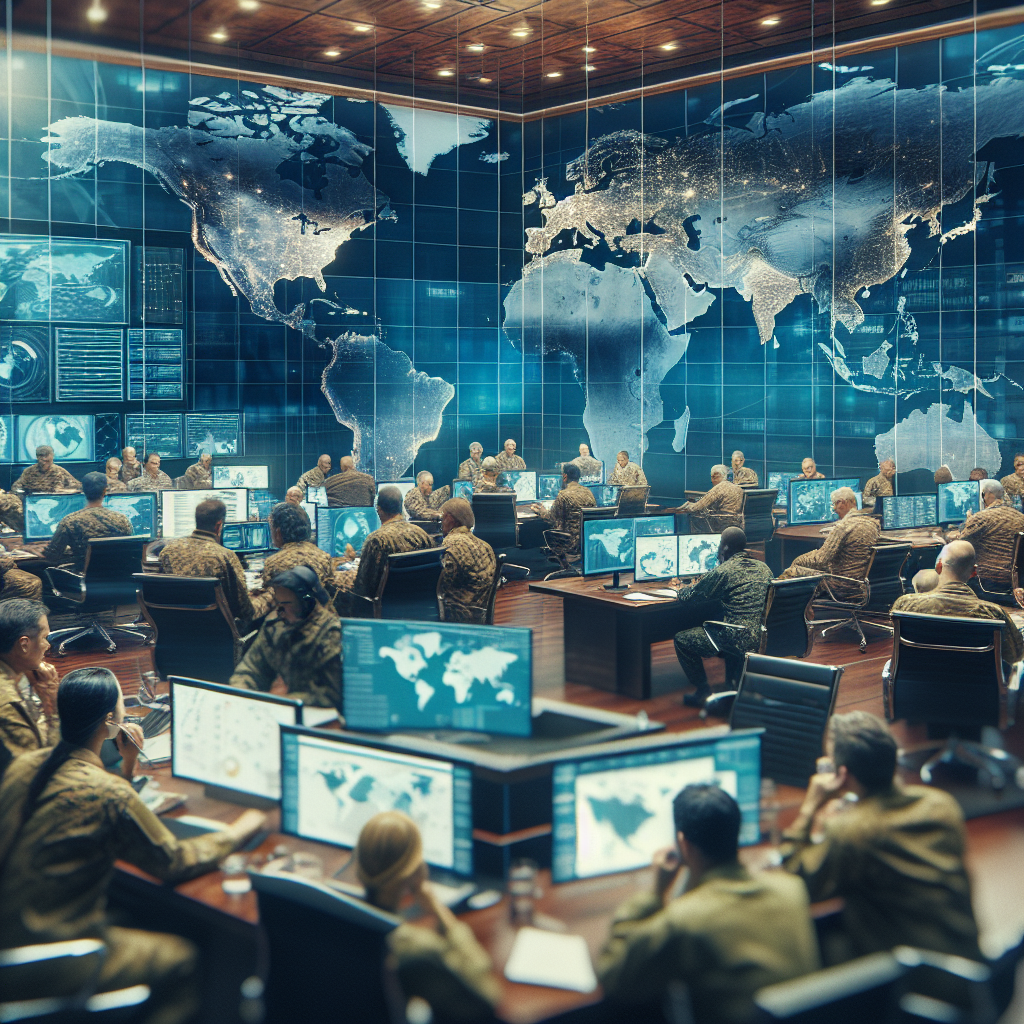
In the contemporary battlefield, the availability of reliable communication networks can be a game-changer. Satellite technology, particularly services like SpaceX’s Starlink, has become instrumental for military operations, allowing troops to maintain connectivity across challenging terrains. The Ukrainian military has effectively leveraged this technology to enhance coordination, gather intelligence, and execute real-time tactical operations against Russian forces.
Conversely, the disruption of such technology for the Russians has raised questions about their strategic capabilities. According to Ukrainian military sources, the absence of broadband communications provided by Musk’s system has left Russian units struggling to coordinate their movements, share intelligence, and report on troop positions. This has reportedly led to confusion in their ranks and has given Ukrainian forces a significant operational advantage.
Contextualizing the Conflict
The conflict between Ukraine and Russia, which escalated dramatically in February 2022, has drawn global attention due to its implications for international stability and security. Initially sparked by Russia’s annexation of Crimea in 2014, the situation evolved into a full-scale war as Ukrainian sovereignty became increasingly threatened. The conflict is not only a struggle for territory but also focuses on broader ideological battles: Ukraine’s desire for integration with Western institutions versus Russia’s aim to reassert its influence in the region.
Such technological disruptions, like those experienced by Russian forces, have broader implications that affect military tactics in future conflicts around the world. As warfare evolves, nations are increasingly relying on cutting-edge technologies that can dramatically enhance or inhibit the effectiveness of military operations. The reliance on technological supremacy underscores the vulnerabilities that states face as they conduct warfare in a digitally interconnected world.
The Strategic Implications for Russia
The ramifications of this setback for Russian military operations are multifaceted. Without effective communication networks, Russian troops may find themselves isolated and unable to respond effectively to Ukrainian maneuvers. This disruption could lead to increased casualties on the Russian side, as troops could be maneuvered into vulnerable positions without adequate support or information.
Moreover, the inability to manage logistics effectively could hamper Russia’s overall war strategy. Supply chains—particularly for food, munitions, and medical support—are crucial for maintaining troop morale and operational capabilities. A breakdown in coordination can lead not only to intensified military losses but also to unrest among Russian soldiers and their families at home, potentially triggering a larger domestic backlash against the conflict.
Global Reactions and Broader Consequences
This latest development has prompted international reactions that could reshape future strategic calculations. NATO allies and Western nations observing the conflict may view the Russian setbacks as an opportunity to further support Ukraine with additional military aid and technology. With countries like the United States and several European nations already providing weapons and financial resources, there is a growing discussion about expanding support to ensure that Ukraine can continue to resist Russian advances effectively.
Further, this situation raises crucial questions about the ethical implications of private entities like SpaceX being central to military operations. The intertwining of private sector advancements and state military strategies could have long-lasting implications for international norms regarding warfare, technology, and accountability.
Why Global Stakeholders Should Care
The outcomes of the ongoing conflict in Ukraine resonate on a global scale. A potential Russian military failure not only supports the sovereignty of a nation under threat but also poses questions about international stability. The geopolitical landscape can change dramatically based on the balance of military power and technological adeptness, with ripples extending far beyond Eastern Europe.
Furthermore, the reliance on advanced technologies for national security—whether by state actors or private companies—demonstrates the fragile interdependencies that characterize modern international relations. As nations grapple with the evolving landscape of cyber warfare, satellite technology, and global interconnectedness, understanding the implications of events like these has never been more crucial.
Conclusion
As Ukrainian forces celebrate their operational successes against a faltering Russian military, the international community should remain vigilant. The complexities of this conflict extend beyond a single region, potentiating ramifications for diplomacy, international security, and the norms governing warfare. In an age where technology increasingly dictates the capacity for combat, the lessons learned from Ukraine’s current predicament will undoubtably shape military strategies and policies for years to come. The unfolding dynamics serve as a stark reminder of the critical intersection between technology and global peace, urging nations to remain proactive in their pursuit of security and stability in an uncertain world.
Source: https://www.bbc.com/news/articles/c0q3ndj7052o?at_medium=RSS&at_campaign=rss
