







New Housing Program Transforms Lives in Columbus, Ohio
COLUMBUS, Ohio – In a heartwarming turn of events, a fresh housing initiative is reshaping the lives of numerous individuals who have long battled homelessness. This effort is gaining momentum in Columbus, where the challenges of housing insecurity have plagued communities for years. The stories of those affected highlight the pressing need for supportive programs that provide not just shelter, but a stable foundation for a better future.
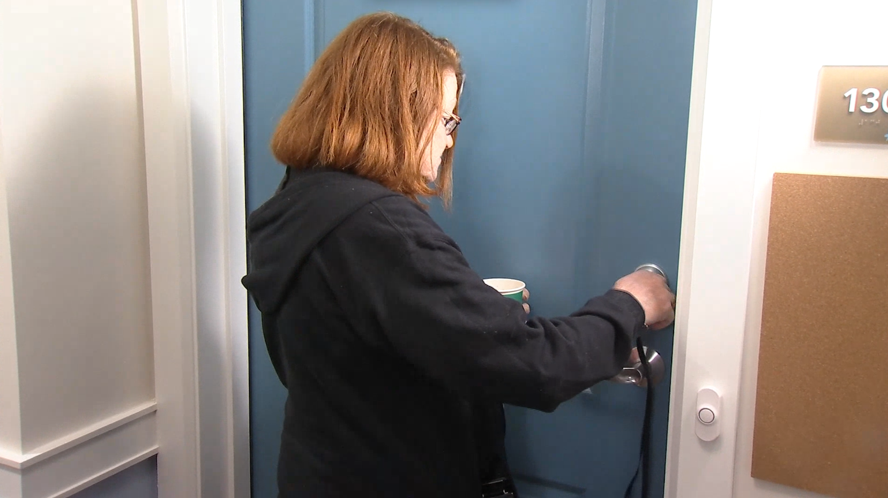
May Robbins, who previously faced the harsh reality of living in her car with her husband for close to five years, illustrates the profound impact of this new program. “To be honest, I didn’t think we would ever find a way out,” Robbins shared, her voice a mix of relief and gratitude. Like many others, she found herself trapped in a cycle of instability, battling daily struggles that left little room for hope.
The initiative, launched by the Columbus Department of Development in collaboration with various local nonprofits, aims to provide immediate access to affordable housing for individuals transitioning out of homelessness. According to city officials, over 60 people have successfully moved into permanent residences since the program’s inception just months ago. This success could signify a turning point for a city that has seen a significant rise in homelessness over the past decade.
Statistics paint a daunting picture: the U.S. Department of Housing and Urban Development estimated that nearly 600,000 individuals experience homelessness on any given night in the United States, with many residing in urban centers like Columbus. The pandemic exacerbated the issue, revealing the fragility of the housing market and pushing vulnerable populations further into insecurity.
Columbus, however, is taking action. The new program not only provides housing but also incorporates supportive services aimed at addressing underlying issues faced by those experiencing homelessness. These services include job training, mental health resources, and financial literacy workshops to equip participants with skills necessary for sustainability.
“I can finally breathe again,” said Robbins, who recently secured a one-bedroom apartment through the program. “I can focus on rebuilding my life instead of worrying about where I’m going to sleep at night.” Her story is a testament to the program’s potential, emphasizing its role as a lifeline for many who have long been in the shadows.
Community advocates are applauding the initiative for its holistic approach. Organizations like the Homeless Families Foundation and the Community Shelter Board have played crucial roles in streamlining access to housing, fostering collaboration between city agencies, and ensuring that the most vulnerable populations receive the help they need.
“It’s about restoring dignity,” said Lisa Johnson, executive director of the Homeless Families Foundation. “When people have a stable place to live, they can begin to dream again. They can look for jobs, invest in their children’s futures, and become contributing members of society.” Johnson describes this initiative as a model for other cities grappling with similar challenges.
Columbus is not alone in its efforts to tackle the homelessness crisis. Cities across the nation are exploring innovative solutions, but the results can vary significantly based on local policies and community engagement. As conversations around housing rights and affordability evolve, this program could serve as a blueprint for broader systemic change.
Leading the initiative is Columbus Mayor Andrew Ginther, who emphasized the city’s commitment to addressing homelessness not just as a temporary solution but as part of a comprehensive strategy for lasting change. “Every resident deserves a place to call home,” Ginther stated. “It’s our responsibility to create pathways that ensure everyone has access to safe and stable housing.”
While this initiative marks a positive step forward, the road ahead remains challenging. Funding for affordable housing is often strained, and the need far exceeds current resources. As local leaders celebrate the successes of this new program, they acknowledge that greater investment and policy reform are crucial for sustaining these efforts.
Looking to the future, city officials and community leaders are hopeful that initiatives like this one can spark a larger conversation about homelessness at the state and national levels. Reinforcing the importance of dignity and stability, they aim to foster an environment where everyone has the opportunity to thrive.
The success of the housing program in Columbus serves as a powerful reminder that sustainable solutions are possible when communities come together. As May Robbins looks forward to what comes next, she symbolizes the countless others who, with the right support, can turn the page on their own stories of struggle and resilience. The implications of this initiative extend beyond just housing; they touch on the essence of human rights, community health, and the promise of a brighter future for all.
