


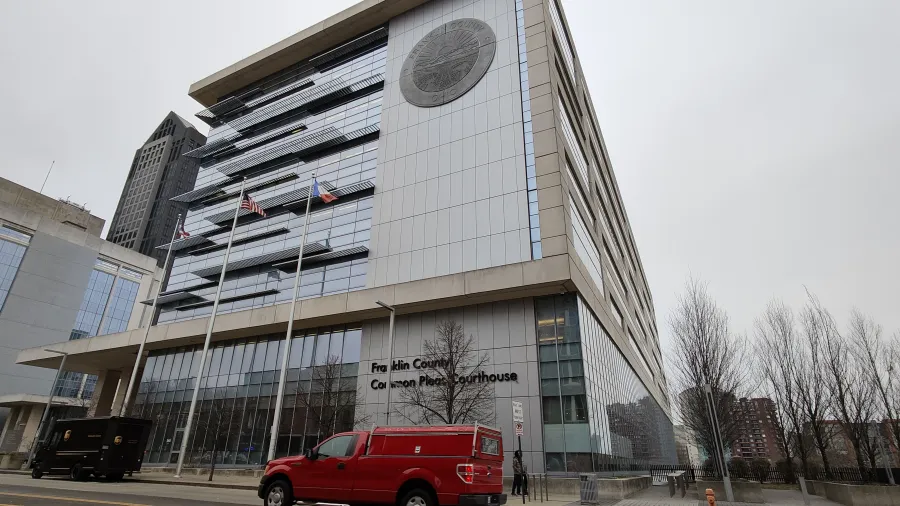

Suspect Extradited to Columbus to Face 2013 Murder Charges in Daivena Clay Case
COLUMBUS, Ohio — Breyon Bryant, the man linked to the 2013 strangulation death of 21-year-old Daivena Clay, has been extradited to Franklin County to face murder charges. The extradition marks a significant step in a case that has haunted both law enforcement and the community for over a decade.
Bryant was arrested near Dayton in 2021 after a police shootout, where officers attempted to apprehend him during a high-risk operation. His capture not only made headlines at the time but also reopened interest in the unsolved homicide of Clay, whose death left her family and the Columbus community grappling with loss and unanswered questions.
Daivena Clay disappeared in June 2013, and her body was discovered days later, concealed in a wooded area near a local park. The circumstances surrounding her death shocked the community, leading to an extensive investigation that failed to produce viable suspects for years. Prosecutors believe that Bryant may have crucial information pertaining to the events leading up to her death.
Details regarding the nature of Bryant’s alleged involvement remain sparse, but Franklin County Prosecutor Gary Tyack emphasized the importance of justice for the innocent victims of violent crime. “We are committed to ensuring that those who perpetrate acts of violence are held accountable,” Tyack said during a pretrial hearing. “Justice delayed is still justice, and we will pursue the truth with vigor.”
Bryant, now in his mid-thirties, stood before Judge Jim O’Grady on Friday, ready to face the serious charges against him. Legal experts note that the arraignment is an essential step for the prosecution, as it allows both parties to establish the terms under which the case will proceed. Alongside the murder charge, Bryant faces additional counts, including aggravated robbery and felonious assault, stemming from other incidents tied to his lengthy criminal history.
This extradition is not only pivotal for the Clay family, who have campaigned for justice over the years, but it also raises important questions about the effectiveness of cold case investigations. Law enforcement agencies are continuously pressured to utilize modern forensic techniques and investigative technology to solve longstanding cases, as public interest in unsolved murders remains high.
The ongoing proceedings against Bryant have created a ripple effect within Columbus, a city that has seen an uptick in homicides this year. This case highlights the urgency in addressing violent crime and restoring community trust in law enforcement.
Moreover, Bryant’s case sets a significant precedent regarding how authorities approach apprehending suspects involved in cold cases. “It’s a reminder of the relentless pursuit of truth,” said local activist Rachel Sullivan. “The community needs to know that we have not forgotten our lost ones, and justice will eventually be served.”
While Bryant awaits trial, discussions about potential implications for future criminal justice policies are underway. Legal analysts suggest that a successful prosecution in this case could spark renewed efforts in Ohio to adopt comprehensive initiatives aimed at solving cold cases, possibly leading to enhanced investigative resources and funding for law enforcement agencies across the state.
As this high-profile case unfolds, many eyes will be on the Franklin County courtroom, where the community hopes to finally see justice served for Daivena Clay. The implications of this trial could resonate far beyond individual accountability, potentially influencing public dialogue on crime, justice, and the protective measures necessary to ensure that no family suffers a similar fate.
In the coming months, the case will proceed to trial, and both the prosecution and defense teams will prepare their arguments, setting the stage for what promises to be a contentious legal battle. Beyond the courtroom, the true impact of this case may be felt broadly through wider community engagement and legislative reforms designed to strengthen the fight against violent crime in Ohio.
