



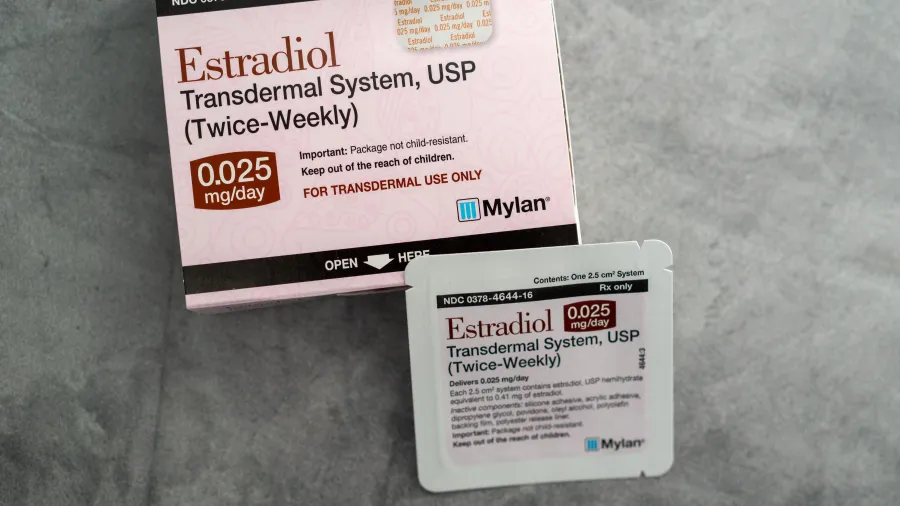

Estrogen Patch Shortage Hits Central Ohio Amid Increased Demand
Women in central Ohio are facing a challenging crisis as a surge in demand for estrogen patches has led to a widespread shortage of the hormone replacement therapy. The unexpected spike follows the U.S. Food and Drug Administration (FDA) decision to remove the black box warning from certain forms of estrogen, a move that some health experts believe has led to a rush among women seeking the treatment.
Estrogen therapy is often prescribed to alleviate menopausal symptoms such as hot flashes, mood swings, and vaginal dryness. The recent regulatory change has prompted an influx of women, both those currently on treatment and newcomers seeking relief from symptoms, to seek estrogen patches, pushing supply chains to their limits.
The FDA’s black box warning, which highlighted potential risks associated with estrogen treatments—including an increased risk of blood clots, stroke, and certain cancers—had long made many women hesitant to seek therapy. By removing the warning, health officials aim to encourage more women to consider hormone replacement therapy, particularly those who may have been deterred by these risk factors. However, the decision has backfired for many as pharmacies struggle to keep up with the sudden rise in demand.
Local pharmacies in cities such as Columbus and Dayton report significant difficulties in sourcing estrogen patches. Customers are reporting instances of limited stock, back orders, and even complete unavailability. Some women are turning to neighboring states or online pharmacies to find the much-needed patches, but many are met with disappointment and continued frustration.
“This shortage is really impacting my quality of life,” said Rebecca Johnson, a local resident and menopausal woman who relies on estrogen patches. “I finally felt like I could get my symptoms under control, and now I’m being told I may have to go without it for weeks.”
Healthcare professionals are expressing concern over the implications of this shortage. Dr. Emily Marston, an endocrinologist practicing in central Ohio, explained that timely access to hormone replacement therapy is critical for many women. “For some, the introduction of estrogen therapy was life-changing. Without it, women may experience a deterioration in their health and well-being,” Dr. Marston stated.
The situation has prompted action from health advocacy groups and local policymakers who are advocating for swift measures to address the shortage. The Ohio Department of Health is reportedly coordinating with suppliers to monitor stock levels and ensure that pharmacies can meet the growing demand. However, immediate solutions seem elusive, as manufacturing challenges and supply chain issues continue to affect the pharmaceutical sector at large.
Pharmaceutical companies are being urged to ramp up production and distribution of estrogen therapies. In response to the demand, experts suggest that healthcare providers consider alternative treatments or therapies for managing menopausal symptoms while women wait for estrogen patches to become more widely available.
“There are several non-estrogen options and lifestyle changes that can help manage menopausal symptoms,” said Dr. Marston. “While these alternatives may not be as effective for some, they can provide temporary relief until the supply stabilizes.”
The shortage not only raises concerns about health implications but also serves as a reminder of the fragility of pharmaceutical supply chains, particularly in an era when consumer demand can rapidly fluctuate due to policy changes. The intersection of health policy, patient care, and pharmaceutical economics is a delicate balance that merits closer examination.
As women in central Ohio grapple with these shortages, the situation also sheds light on the broader conversation regarding women’s health and the accessibility of necessary medications. The FDA’s decision to remove the warning may have been well-intentioned, but it illustrates the complexity of navigating patient safety and advocacy for treatment options.
Looking ahead, stakeholders are hopeful that the situation will improve, but the repercussions of this shortage could linger. As patients await the restoration of supply, many advocate for a deeper understanding of women’s health issues, urging policymakers and the healthcare industry to consider long-term solutions to prevent such shortages in the future.
The ongoing situation not only highlights a growing demand for hormone replacement therapies but also underscores the importance of timely access to life-enhancing medications for women, with the hope that strides made in patient advocacy will ultimately lead to better health outcomes and equitable access to care.
