



Franklin County Health Officials Probe Six Measles Cases Amid Vaccination Concerns
COLUMBUS, Ohio — Health officials in Franklin County are on high alert following the identification of six cases of measles in the area. Alarmingly, five of the infected individuals have no recent history of international travel, raising concerns about potential community transmission of the highly contagious disease.
The confirmed cases involve children who have not been vaccinated against measles, underscoring a growing public health issue involving vaccine hesitancy. Columbus Public Health and Franklin County Public Health are coordinating their efforts to investigate the outbreak and prevent further spread.
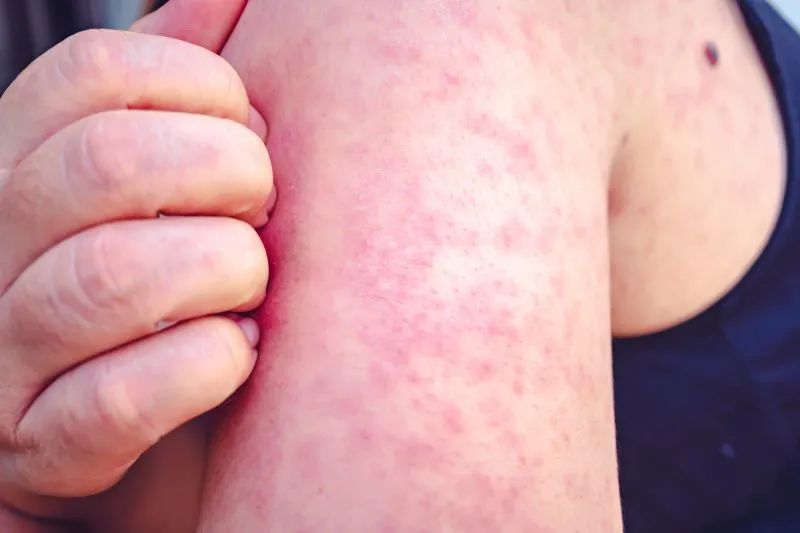
Measles is a viral infection characterized by high fever, cough, runny nose, and a distinctive rash. It can lead to severe complications, especially in young children, including pneumonia, encephalitis, and even death. The disease is primarily spread through respiratory droplets from coughs or sneezes, with an infected person able to transmit the virus up to two hours after leaving a room.
Franklin County Health Commissioner Dr. Myron B. Kauffman emphasized the critical importance of vaccinations in preventing such outbreaks. “Vaccination is the most effective way to protect our children and community from measles. The recent cases remind us of the vulnerabilities that arise when vaccination rates drop,” Kauffman stated.
The cases come at a time when vaccination rates in some communities across the United States have been declining, partly due to rising misinformation surrounding vaccines. Many parents are increasingly hesitant to vaccinate their children, citing various fears or misconceptions. This growing trend has prompted public health concerns, particularly in neighborhoods where vaccination rates fall below the herd immunity threshold.
Herd immunity, or community immunity, occurs when a sufficient portion of the population is immunized, reducing the overall presence of the virus and protecting those who are unvaccinated or cannot be vaccinated for medical reasons. To effectively halt measles transmission, approximately 95% of the population needs to be vaccinated against the virus. However, Franklin County has experienced a troubling decline, with vaccination rates in some areas dipping below 85%.
Statewide, Ohio’s vaccination rates also reveal a similar trend, raising alarms among health officials. Public Health Ohio has reported an increase in vaccine-preventable diseases, with measles cases notably on the rise.
In response to the outbreak, public health officials are urging parents to vaccinate their children to protect them from the disease and its complications. Health officials are also emphasizing the importance of awareness campaigns to combat misinformation about vaccines and encourage informed decision-making among parents.
State Representative Lisa S. Loring has voiced her concerns about the situation. “As legislators, we need to ensure that accurate, science-based information is available to our constituents. We must advocate for policies that encourage vaccination to safeguard public health,” Loring remarked.
In addition to immunization efforts, health officials are conducting contact tracing and outreach to communities affected by the outbreak. They aim to educate families about the benefits of vaccination and address any concerns they may have.
Experts warn that if vaccination rates do not improve, Franklin County and similar communities may face increased outbreaks not only of measles but other preventable diseases as well. “The measles cases are an urgent warning sign,” said Dr. Helen S. Tran, an infectious disease specialist. “If we do not take proactive steps now, we could witness a resurgence of diseases that were previously under control.”
As Franklin County navigates this latest health crisis, the implications are clear: the success of vaccination programs largely depends on community trust and engagement. Public health policies will need to adapt and strengthen in the face of rising vaccine hesitancy, ensuring that accurate information is disseminated and that accessibility to vaccines is prioritized.
As the county investigates these cases, health officials remain vigilant. The potential for further outbreaks looms large if vaccination rates continue to decline. The current situation serves as a stark reminder of the vital role vaccines play in public health and community safety. With effective communication strategies and community engagement, Franklin County aims to turn the tide against this troubling trend and protect future generations from vaccine-preventable diseases.
