



Ohio Debate Heats Up Over Athletes’ Rights to Profit from Name, Image, and Likeness
Columbus, Ohio – March 29, 2023
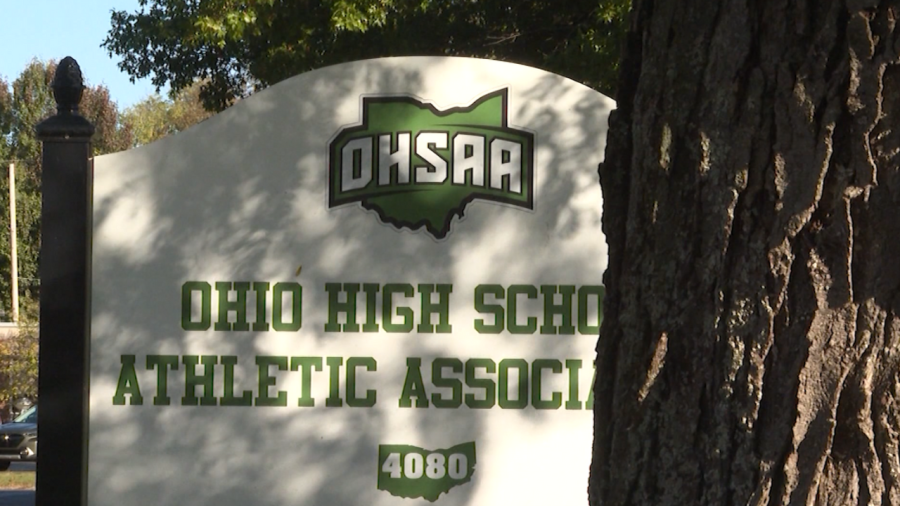
A contentious battle is brewing in Ohio regarding the rights of middle and high school athletes to profit from their name, image, and likeness (NIL). During a hearing on Tuesday, a prominent national NIL attorney and the executive director of the Ohio High School Athletic Association (OHSAA) joined forces to voice their concerns against potential legislative rollbacks of recently enacted NIL rules.
This pivotal discussion arrives just months after the state introduced new regulations aimed at allowing student-athletes to monetize their personal brand. The proposed changes threaten to undermine the progress made, raising concerns that students may be deprived of opportunities available to their peers across the country.
Luke Fedlam, a well-respected attorney specializing in NIL regulations, stressed the importance of empowering young athletes to control their own narratives. “Every day, student-athletes generate substantial revenue for their schools, teams, and athletic departments. It only makes sense that they should have the right to share in that success,” Fedlam stated to a packed audience. His advocacy comes amid a growing national movement recognizing the value of student-athletes’ contributions beyond the field of play.
Sporting organizations nationwide have made considerable adjustments in light of the NIL landscape, responding to a landmark ruling by the NCAA that allowed athletes to explore business opportunities linked to their personas. Ohio’s recent rules reflect this broader shift, providing a framework for high school athletes to engage with local businesses, secure sponsorships, and capitalize on their social media followings.
However, the conversation in Ohio is now complicated by legislative efforts aimed at tightening these rules. Advocates for change contend that the income derived from NIL deals could disrupt the amateur nature of high school sports, potentially creating disparities among well-funded schools and those without substantial financial backing.
OHSAA’s executive director, Doug Ute, articulated his opposition to any alterations during the hearing, emphasizing the need for Ohio to remain competitive with other states in attracting and retaining talent. “Our athletes should not be penalized for making the most of their abilities. The landscape of high school athletics is evolving, and our regulations must reflect that reality,” Ute argued, highlighting the risk of talent migration to states with more favorable NIL policies.
The implications of this debate stretch far beyond the confines of high school gymnasiums and football fields. For many student-athletes, NIL opportunities can offer substantial financial relief and even disrupt cycles of poverty. This has become particularly significant in a socioeconomic climate strained by rising educational costs and economic disparities.
Critics express concern that allowing high school athletes to profit could lead to exploitation by rogue agents or local businesses seeking to capitalize on youthful talent. Some lawmakers have pointed to these risks as justification for stronger regulations. Yet, the call for prudence is met with skepticism from advocates who argue that thorough oversight and transparency could mitigate potential pitfalls without depriving athletes of opportunities.
The future of NIL regulations in Ohio will heavily rely on ongoing legislative discussions. The outcomes of these deliberations could reshape the state’s high school athletic landscape for years to come. “In the end, the rights of student-athletes must be protected as we navigate these evolving landscapes,” Fedlam cautioned.
As the situation unfolds, Ohio stands at a crossroads that could define the balance between amateurism and economic opportunity in high school sports. The decisions made in the coming weeks will not only impact student-athletes today; they may also set a precedent for other states grappling with similar issues, paving the way for a new era in which student-athletes are recognized not only as competitors on the field but also as individuals with their own economic rights.
The dialogue surrounding these critical changes remains urgent. As states across the nation, including Ohio, confront the challenge of adapting to a fluid NIL environment, the stakes have never been higher for young athletes poised to change the game.
