



Columbus Evaluates Shared Bike and Scooter Program Amid Changes in Market Dynamics
COLUMBUS, Ohio — As the demand for urban mobility continues to evolve, the City of Columbus has unveiled a comprehensive report evaluating the performance and impact of its shared rental bikes and scooters program. This analysis comes nearly a year after the city tightened regulations, limiting the number of companies allowed to operate within its jurisdiction. The report is notably significant in highlighting how such initiatives can shape local transportation landscapes.
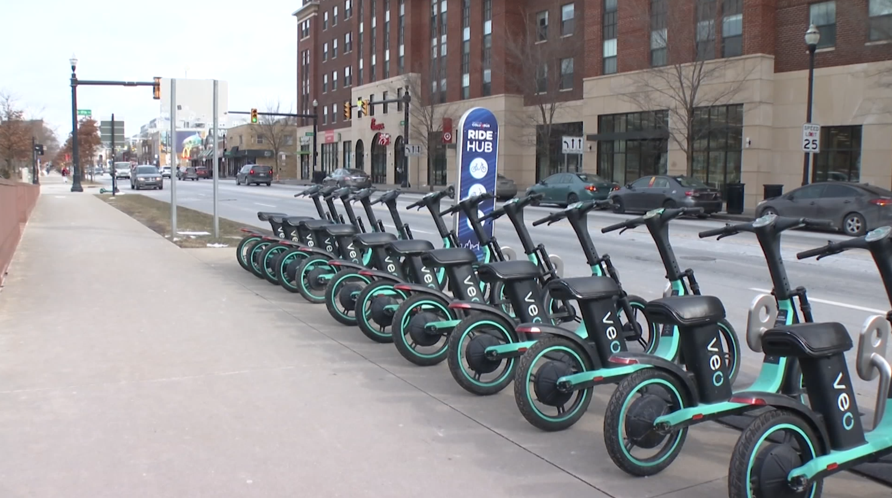
The shared mobility landscape in Columbus has witnessed a notable shift since the city imposed new restrictions. While Spin has been a familiar presence in the city for several years, the entry of Veo into the market in 2025 marked a new chapter in the local shared mobility ecosystem. The city restricted the number of operators to ensure a more organized and manageable proliferation of these services, aiming to balance convenience for residents while maintaining safety and urban order.
Columbus City Council President Shannon Hardin expressed optimism about the initiative, indicating the program’s potential to reduce traffic congestion and promote alternative forms of transportation. “We must adapt to a changing world, and our transportation options should reflect the needs of our community,” Hardin noted during a recent press conference.
City officials reported that over the past year, usage of shared bikes and scooters has increased, indicating a rising acceptance among residents and visitors alike. The report highlights significant data points, including a 30% increase in rides taken from the previous year, along with positive feedback from users who cited convenience and reduced commute times as key benefits.
However, the report also unveiled some challenges. Safety concerns remain paramount, with several incidents reported involving riders and pedestrians. Local law enforcement and transportation officials are vigilant about monitoring these occurrences and are looking to enhance safety measures. Suggestions to improve rider education, as well as better infrastructure, such as dedicated bike lanes, are currently under discussion.
The growth of this program is pertinent to broader conversations around sustainable urban development and climate adaptation. In light of global challenges such as climate change and increasing urban sprawl, cities are being urged to rethink their transportation strategies. Columbus, like many cities, is grappling with how to create a transit ecosystem that is not only convenient but also environmentally friendly.
The integration of shared mobility services into the urban fabric is also a crucial step towards reducing reliance on personal vehicles. This shift is particularly important for cities that face high levels of traffic congestion and air pollution. When discussing the environmental implications, Columbus Mayor Andrew Ginther remarked, “Every ride taken on a bike or scooter is a step towards cleaner air and a healthier city for all our residents.”
Furthermore, local advocacy groups have begun to embrace the city’s initiative, underscoring the importance of equitable access to these services. Ensuring that shared bikes and scooters are available in underprivileged neighborhoods is essential to maximizing their positive social impact. The city has initiated outreach programs aimed at educating residents about the options available to them and how to use the services safely.
Looking towards the future, Columbus plans to enhance its shared mobility network further. The city is exploring partnerships with technology providers to improve app functionalities and user experiences. New features may include real-time availability updates and better navigation assistance for riders.
With the influx of new technologies and ongoing policy evaluations, the city is poised to adapt its shared rental program continually. Urban planners and city officials recognize that learning from ongoing user experiences and feedback will be vital in shaping the next stage of this initiative.
As cities across the globe wrestle with similar mobility challenges, Columbus’s efforts serve as an important case study. The ongoing developments in its shared rental bike and scooter program may offer valuable insights that could influence not just local policies, but also broader trends in urban transportation nationwide.
In conclusion, Columbus’s shared rental program stands at a critical juncture, driven by a potent mix of innovation, challenges, and the demand for sustainable urban transportation. As the city moves forward, the integration of shared mobility systems could significantly affect how residents navigate their urban environment, potentially leading to a reimagined future for transportation in cities across America.
