


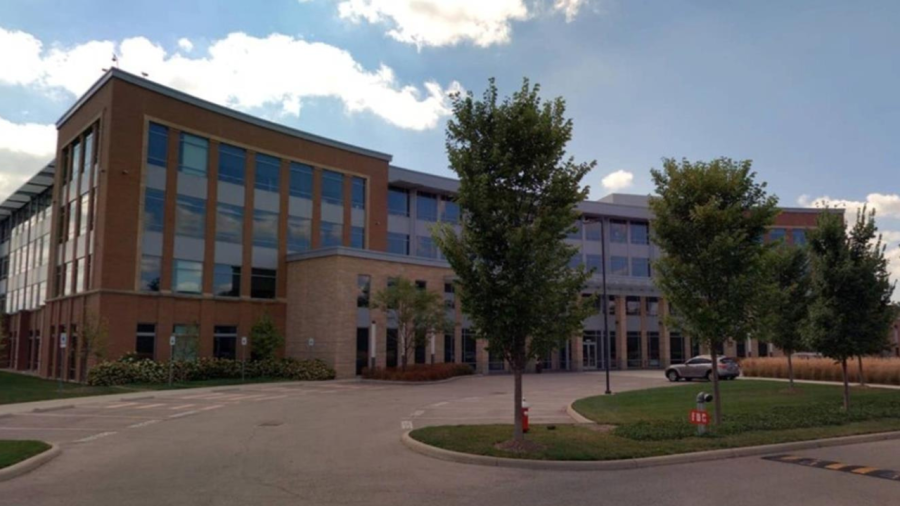

OhioHealth Expands Northeast Columbus Footprint with Approval of Former Big Lots HQ Rezoning
COLUMBUS, Ohio – OhioHealth is poised for a significant expansion in northeast Columbus following the approval of its rezoning application by the Columbus Development Commission on February 12. The health care system purchased the former Big Lots headquarters for $36 million last year and plans to transform the 24-acre site into a hub for medical services, which locals believe will enhance community health resources and economic growth in the region.
The rezoning approval allows OhioHealth to move forward with its ambitious plans to redevelop the property located at 4900 East Dublin Granville Road. The site previously served as the corporate headquarters for Big Lots, a national discount retail chain, until it relocated its offices. By repurposing this prime real estate, OhioHealth aims to usher in a new era of healthcare accessibility and innovation in Columbus.
The development project aligns with the city’s ongoing efforts to promote more extensive health care initiatives and improve public health infrastructure. With its expansion, OhioHealth plans to offer a variety of services, which may include outpatient facilities, specialized medical clinics, and community wellness programs.
“Access to quality healthcare is a cornerstone of community well-being,” stated OhioHealth’s spokesperson during the commission meeting. “By reorganizing and expanding our services in northeast Columbus, we can better serve our patients and foster a healthier community.”
The significance of this project extends beyond healthcare. The new facilities are expected to create a range of job opportunities and stimulate local businesses, potentially invigorating Columbus’s economy in an advantageous way. With the ongoing national focus on healthcare quality and efficiency, OhioHealth’s move could serve as a model for health systems across the country.
Local officials have expressed their support for the project, emphasizing the positive impact it could have on the surrounding neighborhoods. Councilman Emmanuel Remy, who represents the northeast region, commented, “Healthcare redevelopment is crucial for our increasing population. This project will not only improve access to medical services but also contribute to local employment and economic development.”
The rise in healthcare demands, spurred by the COVID-19 pandemic and its aftereffects, highlights the importance of facilities like those planned by OhioHealth. Expanding healthcare infrastructure has become a priority in numerous communities as they work to address the lingering effects of the crisis and prepare for potential future public health challenges.
OhioHealth has pledged to engage with local stakeholders throughout the development process. Community forums and information sessions will be held to discuss the expansion and address any concerns from residents. This proactive approach underscores OhioHealth’s commitment to transparency and collaboration with the communities they serve.
As construction is slated to begin later this year, interest in the project continues to grow. Local business leaders and residents alike are optimistic about the influx of jobs and services the new facilities will deliver. However, some community members have raised concerns about potential traffic congestion resulting from increased visits to the health center.
Authorities have acknowledged these concerns and are coordinating with transportation planners to devise solutions. Efforts to enhance public transport options and improve road access to the site are underway, which is expected to alleviate some of the anticipated traffic challenges.
Looking ahead, as the project progresses, OhioHealth’s expansion may set a precedent for other healthcare systems in the region and across the nation. The need for adaptable, responsive healthcare facilities continues to be a pressing issue due to changing demographics and increasing public health awareness.
In summary, OhioHealth’s expansion into the northeast Columbus area is not merely a significant investment in property; it represents a strategic move to enhance community health care services, stimulate economic growth, and address the ongoing challenges posed by an evolving healthcare landscape. As the health care landscape continues to shift, the implications of this project will be felt well beyond Columbus, potentially influencing health care infrastructure developments for years to come.
