


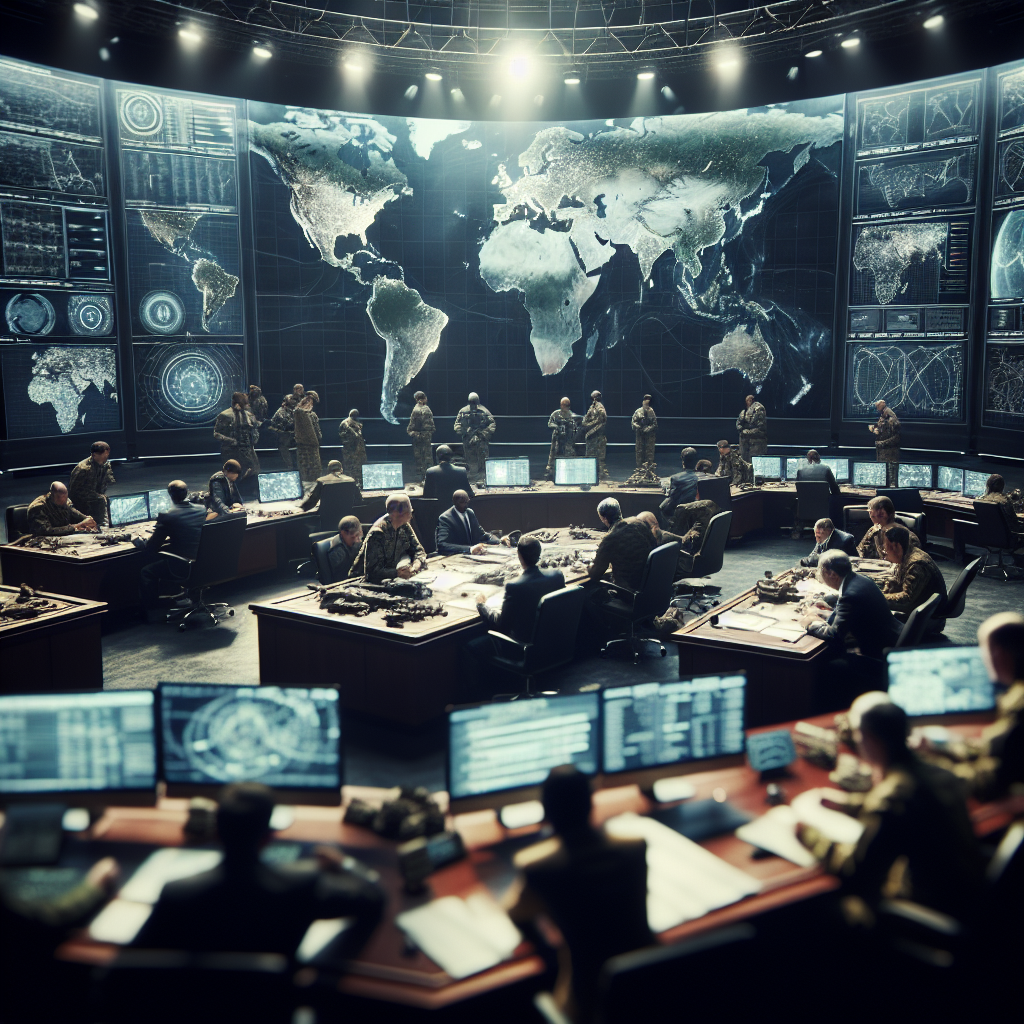

The Complex Landscape of Russian Disinformation: A New Front in Global Conflict
In the age of information warfare, the tactics employed by state actors have evolved significantly, challenging traditional narratives and complicating the global security landscape. As the conflict in Ukraine persists, the Russian government’s sophisticated use of disinformation tactics has come to the forefront. Unlike traditional propaganda, which has faced immediate backlash from an increasingly vigilant West, Russia’s covert operations are raising critical questions about the nature of modern warfare and the effectiveness of countermeasures.
The Evolution of Propaganda
Historically, propaganda has been a tool for governments to shape public perception and influence political outcomes. The Russian media outlets RT and Sputnik epitomized this strategy during the initial stages of the Ukrainian conflict, quickly coming under Western sanctions aimed at curbing their influence. However, a more nuanced approach has emerged—a blend of subtle disinformation campaigns that utilize social media and decentralized channels, allowing for greater deniability.
Sophie Williams-Dunning, a prominent cyber and technology researcher at the Royal United Services Institute, outlined the implications of these tactics, emphasizing that “such campaigns allow for a level of plausible deniability that complicates counter-influence efforts.” As a result, the challenge for Western nations is no longer confined to combating overt state-sponsored media, but extends into a murky realm where misinformation can propagate rapidly through networks of social media users who may not even realize they are spreading disinformation.
Global Context and Historical Background
The roots of Russia’s disinformation campaigns can be traced back to a long-standing tradition of political manipulation that seeks to undermine adversaries. This recent pivot towards covert operations aligns with historical tactics used during the Cold War but employs modern technologies that enable real-time engagement and far-reaching impact.
Since the annexation of Crimea in 2014, the Kremlin has honed its disinformation strategies. The strategic narratives constructed by Russian operatives have targeted not just Ukraine but extended to Europe and the United States, significantly influencing public opinion and sowing discord in democratic societies. The global rise of populism and the decline of trust in traditional media outlets have created fertile ground for these tactics, effectively blurring the lines between fact and fiction in political discourse.
The Challenges of Countering Disinformation
As the West grapples with the complexities of Russian disinformation campaigns, the obstacles become increasingly apparent. The decentralized nature of social media platforms has created an environment where unfounded narratives can spread rapidly, making it difficult for governments and organizations to effectively counteract misinformation. Traditional approaches to countering propaganda—such as straightforward rebuttals or sanctions against media outlets—are insufficient in tackling the subtler, more insidious methods now employed.
Williams-Dunning highlights that the landscape itself adds to the difficulty, stating, “the rapid evolution of social media means that disinformation can morph before it is adequately addressed.” This fluidity suggests that a robust response requires not just timely actions but a rethinking of strategies to combat misinformation.
The Stakes for Global Security
The implications of these disinformation campaigns extend far beyond national borders; they present a significant risk to global security. In an increasingly interconnected world, the reverberations of misinformation can destabilize entire regions. For instance, European nations have found themselves grappling with internal divisions spurred by narratives that resonate with local populations, often aiming to challenge the unity of the European Union.
Furthermore, the battle against disinformation poses a challenge to international relationships and trust. As countries navigate competing narratives, diplomatic tensions can flounder, resulting in long-term implications for cooperation on crucial global issues, such as climate change and terrorism.
The Need for a Coordinated Response
In light of these challenges, experts argue for a comprehensive approach to countering disinformation. This necessitates improved collaboration between governments, technology companies, and civil society organizations. By developing a shared understanding of the information landscape, stakeholders can better devise strategies to combat misinformation effectively. Raising public awareness and media literacy, especially among vulnerable demographics, is essential in creating resilience against disinformation tactics.
Moreover, a unified global response is paramount as disinformation is a transnational issue that transcends borders. Countries must work together to establish norms and best practices that can mitigate the spread of harmful narratives and foster a more informed public discourse.
Conclusion: Vigilance in a Digital Age
The evolving mechanics of disinformation reveal an urgent need for vigilance in the digital age. As the geopolitical landscape shifts and nations grapple with asymmetric warfare tactics, the stakes are higher than ever. Understanding the nuances of these campaigns is vital for governments and citizens alike. As we navigate this complex interplay between truth and falsehood, fostering resilience against misinformation must become a cornerstone of global security strategy. The road ahead will require not just vigilance but a commitment to fostering a well-informed populace capable of discerning fact from fiction in an ever-changing information environment.
Source: https://www.bbc.com/news/articles/cx2r7grrdwzo?at_medium=RSS&at_campaign=rss
