


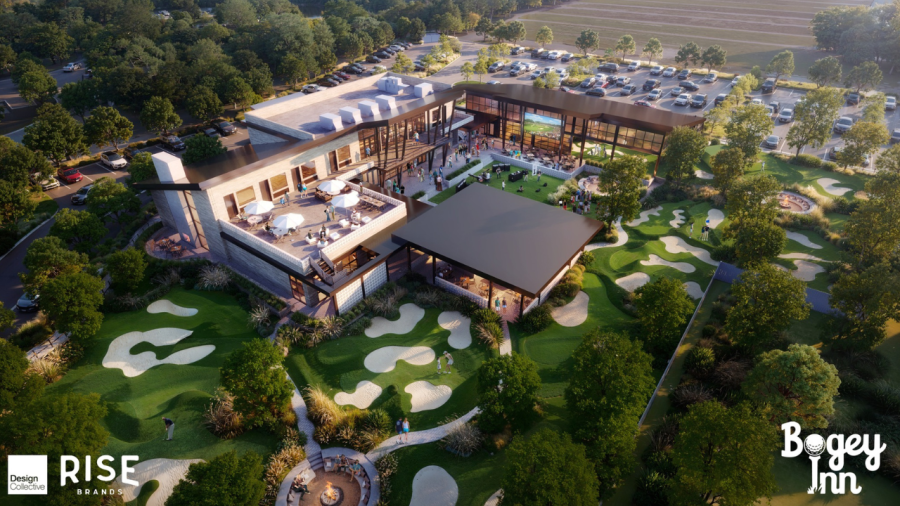

Plans to Transform The Bogey Inn into Golf-Themed Entertainment Campus Canceled
Dublin, Ohio—In a surprising turn of events, Rise Brands has officially announced that its ambitious plan to revamp The Bogey Inn, a former bar located in Dublin, Ohio, into an expansive golf-themed entertainment campus has been halted. The announcement was made by Rise Brands’ new CEO, Hana Hesselgesser, who joined the company earlier this year.
The Bogey Inn, a favorite local spot for many, had been earmarked for redevelopment as part of a broader initiative aimed at creating a unique destination that combined golf with entertainment, dining, and social interaction. Rise Brands envisioned a facility that would cater to golf enthusiasts and casual visitors alike, offering a wide range of activities such as simulators, mini-golf, and other attractions meant to modernize the traditional golf experience.
However, Hesselgesser has stated that the decision to scrap the redevelopment plan was made after a detailed review of the project’s feasibility. Financial assessments, community feedback, and strategic considerations played pivotal roles in reaching the conclusion to abandon the plans for the site, which has been in disrepair for some time.
“This was not an easy decision, but ultimately we determined that the project did not align with our long-term vision for Rise Brands,” Hesselgesser commented. “We are committed to making sure that our investments are both beneficial to our company and to the communities we serve.”
This abrupt change of course has left local residents and businesses in a state of uncertainty. Many had been looking forward to the proposed revitalization of the area surrounding The Bogey Inn, which promised to infuse new life into the local economy. The original plans aimed to create jobs, attract visitors, and provide a much-needed entertainment option in the Dublin area.
Community response has been mixed. Some residents expressed disappointment at the news, having welcomed the potential changes as a means to enhance Dublin’s social landscape. “I think a golf center could have drawn in a crowd we really need in this area,” commented Lisa Donovan, a local resident and business owner. “We need new and exciting options for entertainment that build our community and offer something different.”
Conversely, some community members were skeptical of the project from the start, citing concerns over noise, traffic, and the environmental impact of constructing a large entertainment complex. These voices highlight an ongoing debate about how carefully to balance development with community needs, especially in suburban areas that can sometimes be resistant to large-scale projects.
Local government officials have not yet commented on the cancellation of the project, but the city of Dublin has been actively pursuing various initiatives aimed at enhancing the local area through urban redevelopment and sustainable design. In recent years, Dublin has seen a significant transformation in its commercial landscape, aiming to become a hub for innovation and recreation.
The Bogey Inn has long been a staple of the local community, known for its relaxed ambiance and patron-friendly services. For decades, it served as a meeting point for golfers, friends, and families alike. The failure of the redevelopment plan raises questions about the future of the venue and whether it could simply return to its roots or potentially be repurposed for a different venture in the future.
As the news of the project’s cancellation spreads, local stakeholders are urged to collaborate on potential alternatives for The Bogey Inn site. Some community advocates believe that a more modest, community-focused approach could be adopted instead—one that keeps the essence of the original bar but also adds modern touches to attract new patrons.
Looking ahead, the fallout from Rise Brands’ decision emphasizes the importance of stakeholder engagement in community development projects. The mixed reactions serve as a reminder of the delicate balance that must be maintained when embarking on large-scale initiatives that could directly affect local cultures and economies.
As the city considers its options for the future, there may be an opportunity for local officials and residents to pursue collaborations that better reflect the desires and needs of the community—fostering dialogue that could lead to vibrant, sustainable developments that preserve Dublin’s rich history while embracing modernity.
With various community voices now calling for a different direction, the next step for The Bogey Inn and surrounding neighborhood will be crucial in shaping Dublin’s identity moving forward.
