



America in the Last 24 Hours: U.S.–Iran War Escalates, Global Markets React, Congress Confronts War Powers Crisis
By Nexio National Desk | March 1, 2026
The United States entered one of its most volatile geopolitical moments in recent years after launching major military operations against Iran, triggering retaliation across the Middle East, political shockwaves in Washington, and growing global concern over the risk of a wider war.
From the opening strikes early Saturday morning to urgent diplomatic warnings and rising economic fears, the past 24 hours have reshaped the global security landscape and placed the United States at the center of an unfolding international crisis.
U.S. and Israel Launch Major Assault on Iran
In the early hours of February 28, the United States and Israel launched coordinated military strikes against Iranian targets in what U.S. officials described as a large-scale operation aimed at weakening Iran’s military capabilities and preventing future nuclear escalation.
The operation, reportedly named “Operation Epic Fury,” targeted multiple military installations across Iran. Early reports indicated Israeli forces focused on senior government and strategic command targets, while U.S. strikes concentrated on military infrastructure and facilities tied to Iran’s defense network.
Iranian state media reported heavy casualties, claiming at least 200 people were killed and hundreds wounded in the attacks, though independent verification of casualty figures remains limited.
President Donald Trump confirmed the operation in a recorded video message posted from Mar-a-Lago, calling the action “major combat operations in Iran” and warning Americans that casualties could occur.
“The lives of courageous American heroes may be lost… but we’re doing this for the future. It is a noble mission,” the president said.
The White House framed the strikes as a preemptive move to prevent Iran from becoming a nuclear-armed power and to neutralize long-term security threats in the region.
Iran Retaliates Across the Region
Within hours of the initial strikes, Iran launched retaliatory missile and drone attacks targeting Israel and multiple U.S. military installations across the Middle East.
Strikes were reported near U.S. bases in: Bahrain, Iraq, Kuwait, Jordan, Qatar, Saudi Arabia, United Arab Emirates
U.S. Central Command confirmed that, as of now, there are no reported American casualties and only limited damage to facilities, though security conditions remain highly volatile.
Iranian missiles also struck Israeli territory, killing at least one civilian and injuring more than 100 others, according to early reports from regional authorities.
The rapid exchange of strikes has heightened fears of a broader regional war involving multiple state and non-state actors.
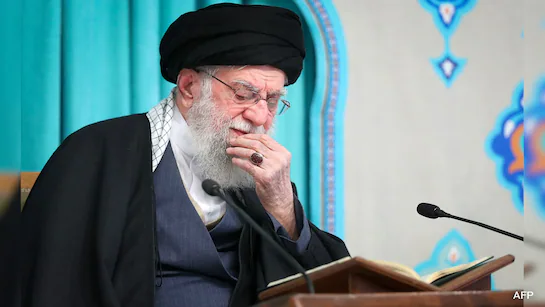
Iranian Supreme Leader Reported Killed
In a dramatic escalation, President Trump later announced that Iran’s Supreme Leader Ayatollah Ali Khamenei had been killed in the strikes — a development subsequently confirmed by Iranian sources.
The death of Iran’s most powerful political and religious authority introduces significant uncertainty about the country’s leadership structure and potential internal stability.
In a social media statement, the president described the moment as an opportunity for the Iranian people to “take back their country,” suggesting that regime change could follow the ongoing military campaign.
Analysts warn, however, that removing a single leader may not immediately destabilize Iran’s governing system, which includes multiple layers of political and military authority.
War Powers Debate Explodes in Washington
The strikes have triggered immediate constitutional debate in Washington over presidential authority to initiate large-scale military action without congressional approval.
Several lawmakers are demanding an emergency session of Congress to vote on continued military engagement. Critics argue the Constitution grants Congress — not the president — the authority to declare war.
Senator Andy Kim described the situation as “one of the most dangerous efforts to normalize war without Congress,” while other lawmakers called for a formal War Powers Resolution vote.
Republican leaders have largely defended the administration’s actions, citing national security and executive authority.
The confrontation sets the stage for a potentially historic clash between the executive branch and Congress over war-making powers.
Intelligence and Nuclear Debate Intensifies
Adding complexity to the situation, intelligence assessments cited by multiple U.S. and international sources indicate that Iran did not pose an immediate threat to the U.S. mainland.
The International Atomic Energy Agency has stated there is no confirmed evidence that Iran currently has an active nuclear weapons program, while U.S. defense intelligence estimates suggest any Iranian intercontinental missile capability could still be years away.
These assessments have fueled debate over the timing and justification of the strikes.
Markets and Energy Concerns Rise
Financial markets responded cautiously to the escalation.
Oil prices climbed amid fears of supply disruptions, particularly if conflict spreads to key shipping routes in the Persian Gulf. Energy analysts warn that prolonged instability could drive fuel costs higher in the United States and globally. Investors are also watching for potential cyberattacks, sanctions responses, or disruptions to global trade.
Domestic Political Pressure Mounts
The conflict unfolds amid declining presidential approval ratings and growing economic anxiety at home.
Recent polling shows public opinion divided over the military action, with support for a direct conflict with Iran remaining relatively low compared with historical wartime approval surges.
Political analysts say the coming days will test both public support and congressional willingness to authorize sustained military operations.
United Nations and Global Response
At an emergency meeting of the United Nations Security Council, Secretary-General António Guterres warned that the situation risks spiraling into a wider regional conflict.
“Everything must be done to prevent further escalation,” he said, urging immediate diplomatic engagement.
European and regional allies are calling for restraint while monitoring potential humanitarian and economic consequences.
Other Major U.S. Headlines in the Last 24 Hours
Economy
New inflation data shows prices rising faster than expected, increasing pressure on policymakers and households already grappling with high living costs.
Immigration and Domestic Policy
Federal agencies continue reviewing immigration enforcement and deportation policies tied to national security frameworks, an issue likely to intensify amid broader geopolitical tensions.
Election Season Developments
Key Senate and congressional races across several states are entering critical phases, with foreign policy now dominating campaign messaging.
The Big Picture
The last 24 hours have placed the United States at a historic crossroads. America now faces:
A rapidly escalating military conflict with Iran
Constitutional questions over war authority
Global economic ripple effects
Heightened security risks for U.S. interests worldwide
Intensifying domestic political pressure
The coming days will determine whether the situation stabilizes through diplomacy or expands into a broader regional confrontation with global consequences.
For now, the United States stands in a moment of profound uncertainty — balancing military action abroad with political and economic tensions at home.
