


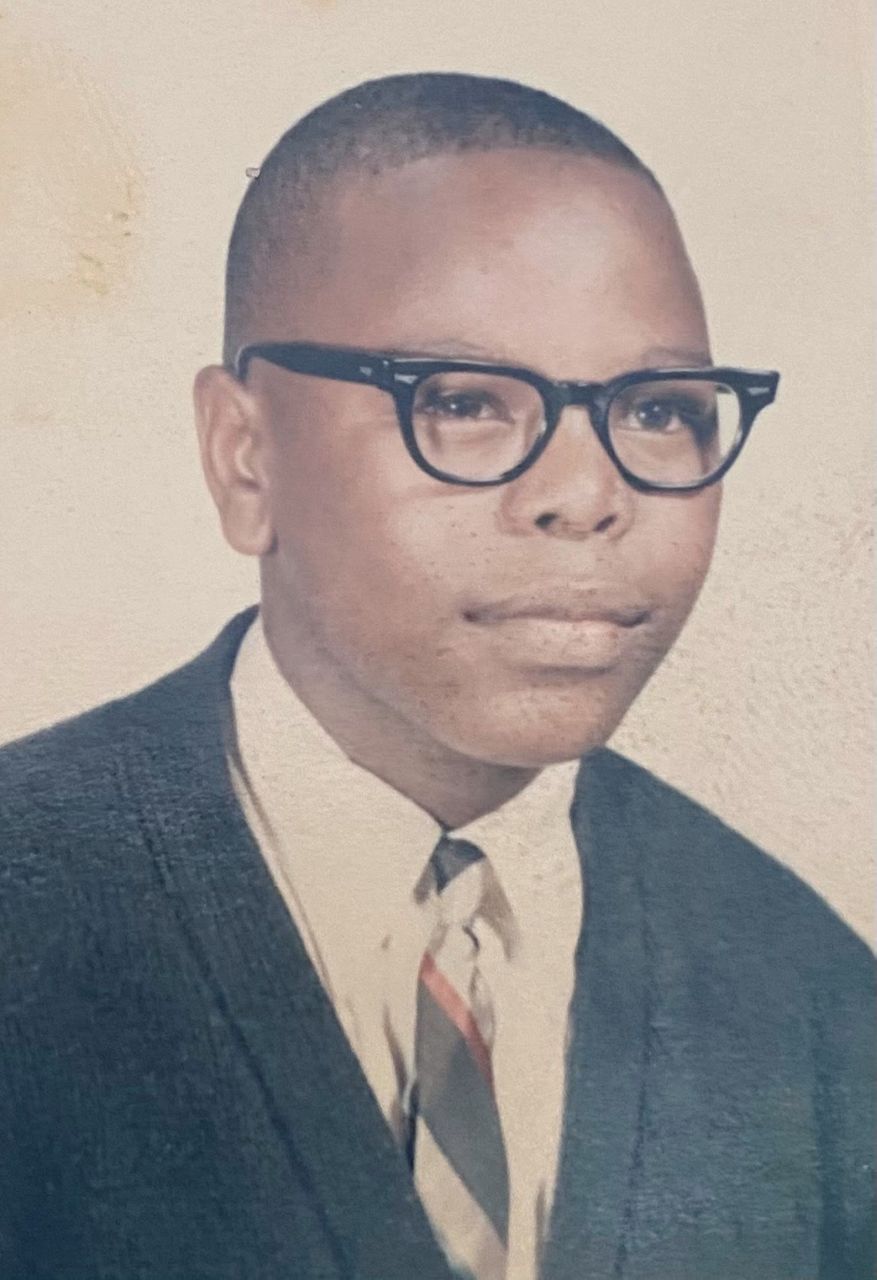

Reflections on Segregation: Voices of Resilience in the Face of Inequality
For many, segregation may seem a relic of the past, but for individuals like Reita Bynum-Smith, 89, Byron Potts, 69, and Ronald Barnes, 74, it forms the bedrock of their childhood memories in America. Each recalls a society shaped by rules that dictated where they could live, learn, and shop—reminders that the fight for equality is far from over.
Born into a segregated America, Bynum-Smith recalls attending separate schools and feeling the sting of discrimination even as a child. “When I went to West High School, I learned that I couldn’t be a cheerleader,” she said. “I couldn’t do a lot of things because I was a Black student.” The Civil Rights Act of 1964 marked a significant legislative step against public discrimination. Yet for Potts, such progress didn’t erase the unspoken rules of behavior that persisted beyond the law. “You knew where to stay in your place,” he said. “You knew where to live. You knew where to go… It wasn’t on the books. But you knew.”
This sentiment echoes a broader narrative that many older Black Americans intimately understand. They witnessed firsthand the harsh realities of racially divided schools and neighborhoods crafted by redlining, policies that have indelibly impacted generational wealth, education, and health. The systemic inequality birthed by segregation hasn’t just lingered; it has evolved into persistent gaps that still affect the Black community today.
While younger Americans may learn about these struggles through textbooks, for many older individuals, the segregationist past is a lived experience. “The gaps created decades ago are still being felt today,” Potts said. “There is still some form of segregation, based on income, color, and where we stay.”
The Power of Community
Despite the profound adversities, Black communities forged resilient networks of support. Neighbors created their institutions—schools, businesses, and healthcare services—because they were often excluded from white counterparts. Bynum-Smith expressed pride in this community strength: “We were strong because we had to be.”
Barnes emphasized the enduring hope within these communities, recounting how Black schools often received discarded educational materials from white schools. “Our library was barren, but we had one thing—our Black teachers instilled in us that we could achieve,” he said. This belief carried forward, with a new generation taught to be outspoken and engaged, as emphasized by Bishop Herman Ware Jr. “They raised us to be very outspoken,” he noted.
Yet today, this sense of progress is under threat. Mwatabu Okantah, a professor of Africana Studies at Kent State University, warns that the struggle for equality has evolved but not disappeared. “Black Lives Matter now is just a new name for a struggle for freedom that began in 1619,” he stated. The professor underscores that understanding Black history isn’t merely beneficial for the Black community; it is crucial to the collective American story.
The Continuing Legacy of Inequality
Even in 2026, systemic disparities remain stark. The Center for American Progress reveals that Black Americans still lag significantly behind their white counterparts in wealth, health, and education—issues deeply rooted in historical policies. “We are 400 years behind our white counterparts,” Potts remarked, highlighting the persistent challenges that have compounded over generations.
Barnes added that acknowledging this historical context is vital for the future. “We are living history every day,” he stressed. As technology and social dynamics change rapidly, younger generations are faced with new barriers. “They are witnessing this as a new history that we’re moving through,” he noted.
Preserving a Legacy
The urgency of preserving history weighs heavily on the shoulders of these elders. Bynum-Smith stresses the importance of understanding ancestral roots. “If we know our stories, if we know our roots, then we know how we are the fruit of all the work of those that came before us,” she said.
Ware Jr. echoed the sentiment, warning that without this knowledge, the progress won could easily erode. “If the elders are not there, those stories are not there,” he cautioned. Potts, too, believes that education about past injustices is critical in shaping future generations. “It’s up to the elders to teach the young,” he asserted.
Okantah urges a broader comprehension of both historical figures like Martin Luther King Jr. and Rosa Parks and contemporary struggles. “We have to learn our history, because when you learn it, you will not repeat the same cycles,” he remarked.
As America reflects on its race relations, understanding this history is more critical than ever. The insights from these elders serve as a testament to resilience and a reminder that the fight for equality continues, underscoring the importance of educating future generations about the hard-won battles of the past. The stories of those who lived through segregation are not just chapters in a book—they inform the ongoing quest for justice and equality. In a world where history is constantly being revisited, the lessons these elders impart will be pivotal as the next generation shapes the narrative moving forward.
