



Columbus to Enhance Urban Mobility with New Frebis Avenue Redesign
COLUMBUS, Ohio – The city of Columbus is set to embark on an ambitious redesign of Frebis Avenue, a project that aims to promote safer and more accessible transportation options for cyclists. With construction slated to begin later this year, the initiative has garnered strong support from local cycling advocates who highlight the project’s potential to boost safety and sustainability in the community.
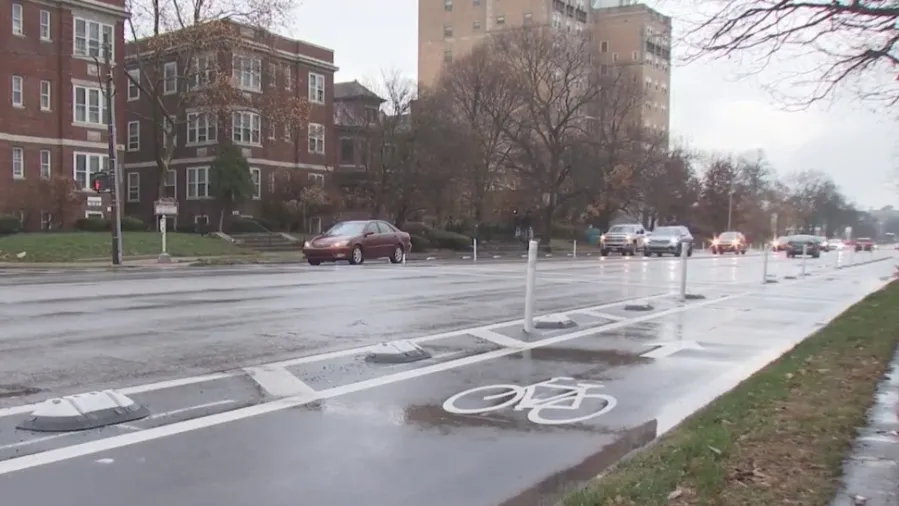
The planned redesign will introduce two protected bike lanes along the south side of Frebis Avenue, making it safer for cyclists to navigate alongside vehicular traffic. This move comes amidst growing concerns about road safety and the urgent need for infrastructure that supports alternative modes of transportation.
John Robinson, the owner and president of Johnny Velo Bikes, emphasized the importance of the project. “This is a significant step for cycling in Columbus,” Robinson stated. “Protected bike lanes create a buffer between cyclists and cars, enhancing safety and encouraging more people to consider biking as a viable means of transportation.”
The redesign not only aims to protect cyclists but also to create a more integrated and diverse transportation network in Columbus. In recent years, the city has seen an increase in cycling participation, driven by rising fuel prices, environmental consciousness, and a desire for healthier lifestyles. Local officials have recognized this trend and are responding with infrastructure that meets the demands of a rapidly changing urban landscape.
City officials have framed the Frebis Avenue project as a crucial component of Columbus’s broader goals for sustainable urban development. By enhancing bicycle infrastructure, the city seeks to reduce its carbon footprint and promote healthy living among its residents. The redesign aligns with Columbus’s commitment to becoming a more bicycle-friendly city, a goal established in previous transportation plans that support multimodal access.
The increased focus on bike lanes is part of a nationwide trend, as cities across the United States invest in cycling infrastructure. The rise of bike-sharing programs and heightened public interest in cycling as a primary mode of commuting have indeed influenced local policies, leading to a larger discussion on urban mobility.
Columbus is also considering the needs of various stakeholders in this endeavor. Residents, local businesses, and urban planners have been invited to participate in community workshops to ensure that the updated design meets the expectations of the public. This collaborative approach not only fosters local engagement but also reflects a wider commitment to transparency and community-driven solutions.
However, the proposal has not been without its critics. Some residents express concern that redesigning Frebis Avenue may result in reduced parking spaces or disrupt the flow of vehicle traffic. City planners have assured the public that traffic studies and community feedback will guide revisions to the proposal to address these apprehensions effectively.
The Frebis Avenue redesign holds significant implications for Columbus’s future as it navigates the complexities of urban growth. As more residents adopt alternative transportation methods, cities must adapt by enhancing infrastructure to accommodate bicycles while ensuring that public safety and accessibility remain paramount.
In the context of climate change discussions and health imperatives, the success of the Frebis Avenue project could set a precedent for similar initiatives in other areas of the city. As urban planners and local officials prioritize cycling-friendly policies, Columbus could emerge as a model for other cities striving to embrace sustainable urban living.
As the project moves forward, it is clear that the redesign of Frebis Avenue signifies more than just an update to the city’s transportation network; it represents a commitment to a healthier, greener, and more inclusive urban environment. For Columbus residents, the enhanced bicycle infrastructure may serve as the foundation for commuting choices that influence future city planning and development initiatives. The stakes are high, and the potential benefits for community health, safety, and the environment are immeasurable.
