


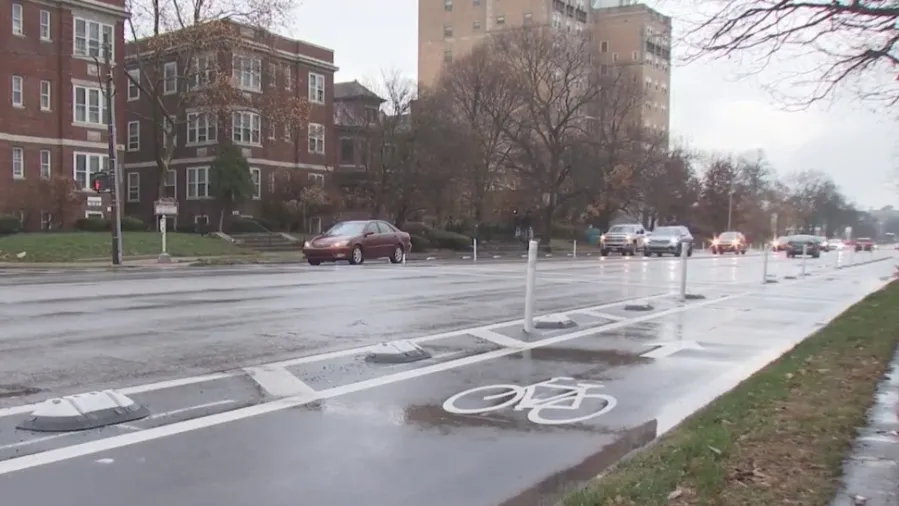

Columbus Unveils Plans for Transformative Redesign of Frebis Avenue
COLUMBUS, Ohio – In an effort to enhance safety and accessibility for cyclists, the city of Columbus has announced a comprehensive redesign of Frebis Avenue, which will introduce two protected bike lanes. This initiative, scheduled for construction later this year, marks a significant step toward promoting sustainable transportation in the community.
The redesign comes amid growing advocacy for cycling infrastructure across the country. Local cycling advocates, including John Robinson, owner and president of Johnny Velo Bikes, have long emphasized the necessity of improved bike lanes to ensure safety for cyclists. Robinson expressed his enthusiasm about the project, asserting that well-designed bike infrastructure not only encourages cycling but also enhances overall community wellness.
Frebis Avenue, located on the city’s south side, has been a focal point for local advocacy groups due to its high traffic volume and limited protections for cyclists. The introduction of protected bike lanes aims to reduce accidents and create a healthier urban environment. This is particularly important as cities like Columbus strive to cater to a growing population of cyclists and promote eco-friendly modes of transportation.
City officials have articulated a vision that aligns with broader urban planning trends emphasizing sustainability. Columbus aims to become more pedestrian- and cyclist-friendly, enhancing livability while reducing reliance on automobiles. With cycling on the rise nationally following the pandemic, this initiative reflects a shift in public sentiment toward greener transportation options.
The Frebis Avenue redesign aligns with the city’s commitment to the “Complete Streets” program, which seeks to ensure that streets are designed for all users, including pedestrians, cyclists, motorists, and transit riders. By integrating protected bike lanes into the redesign, city planners aim to create a more inclusive urban space that accommodates various modes of transportation.
Local studies have shown that cities with robust cycling infrastructure report lower accident rates among cyclists. The addition of protected lanes is seen as a proactive measure to mitigate risks, especially in areas with high vehicle traffic. Additionally, protected bike lanes have been linked to increased usage, encouraging more residents to choose cycling as a daily mode of transportation.
In response to community feedback, the city conducted a series of public forums where residents voiced their concerns and hopes for the redesign. Many expressed a desire for enhanced safety measures, as well as more green spaces and interconnected routes that would facilitate easier navigation by bike throughout the neighborhood. The city’s willingness to engage with the community reflects a growing trend in urban governance toward participatory planning.
The economic implications of the Frebis Avenue redesign are also significant. A well-implemented cycling infrastructure can stimulate local businesses by attracting customers who prefer biking to driving. Robinson, whose business is deeply intertwined with the cycling community, anticipates increased foot traffic in the area as a result of the new bike lanes. This could bolster sales for local shops and cafes, contributing to a more vibrant economic landscape.
As construction on Frebis Avenue is slated to commence later this year, advocates view this as a pivotal moment for Columbus. The project’s completion is expected to set a precedent for future urban development initiatives. Should the redesign prove successful, it may inspire similar projects across the city, further establishing Columbus as a leader in sustainable urban transportation.
Looking ahead, the Frebis Avenue project symbolizes a broader cultural shift towards prioritizing cycling and pedestrian access in daily urban living. As climate change continues to pose significant challenges globally, cities are increasingly recognizing the need to adapt and innovate transportation systems that lessen environmental impacts.
The project is not without its challenges; ensuring ongoing community support and maintaining momentum for future initiatives will be key as construction unfolds. Nevertheless, the redesign of Frebis Avenue stands as a testament to Columbus’s commitment to building a safer, more sustainable future for all its residents.
As the city gears up for construction, all eyes will be on the impact of this initiative and its potential to reshape the cycling landscape in Columbus, paving the way for a greener urban environment while encouraging a lifestyle centered around health and sustainability.
