


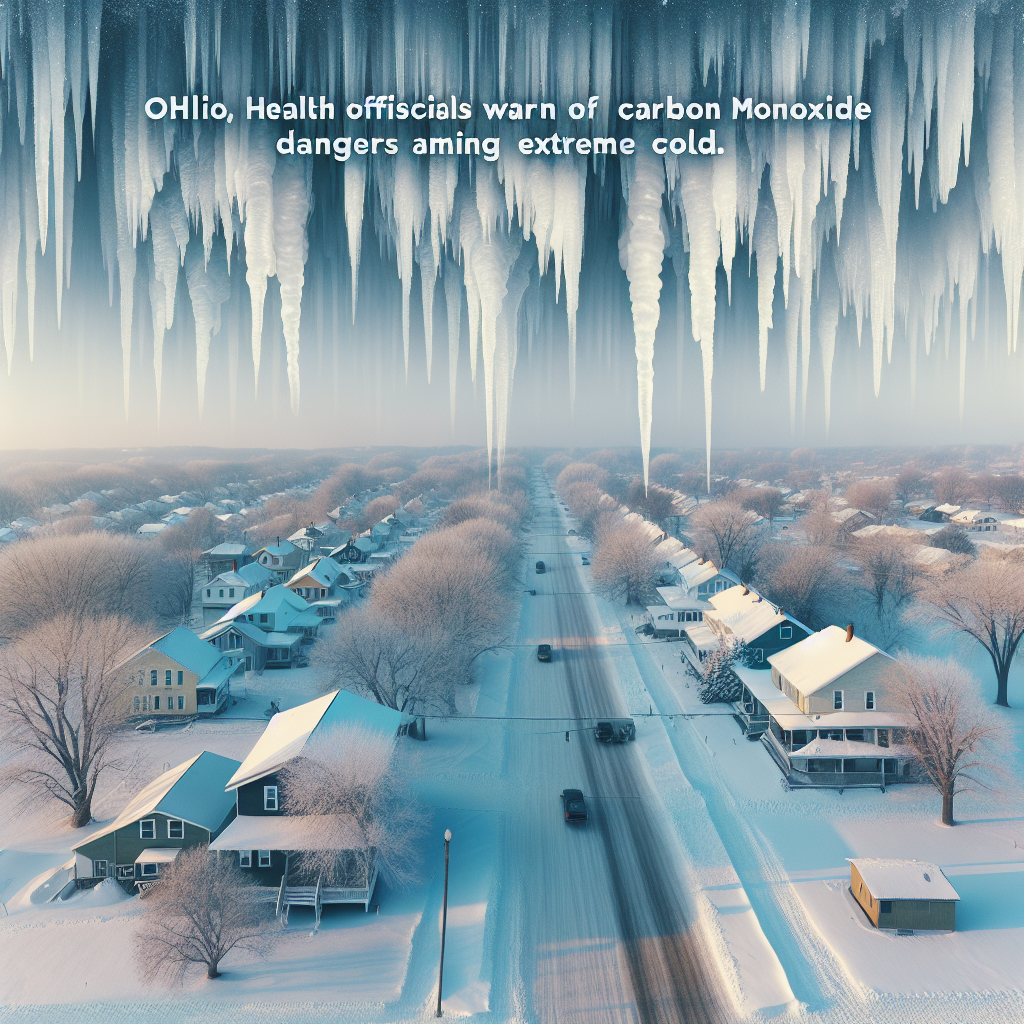

Ohio Residents Urged to Heat Homes Safely Amid Plummeting Temperatures
As frigid temperatures grip Ohio, with many areas experiencing sub-zero wind chills, health officials are urging residents to take caution. The Ohio Department of Health (ODH) has issued a vital reminder: while staying warm is essential during this harsh weather, doing so safely is paramount to avoid potentially fatal consequences.
The department highlighted the hidden dangers associated with heating homes, primarily focusing on carbon monoxide (CO) poisoning—an often-overlooked risk. Carbon monoxide is a colorless, odorless gas that can lead to severe health complications and even death, making it particularly dangerous during winter months when heating systems are in constant use.
In the United States, unintentional carbon monoxide poisoning leads to approximately 400 fatalities each year, results in more than 100,000 emergency room visits, and causes over 14,000 hospitalizations. These staggering figures highlight the need for increased awareness about safe heating practices.
To mitigate the risks of carbon monoxide poisoning, the ODH offers several essential guidelines:
-
Proper Ventilation: Use fireplaces, wood stoves, or other combustion heaters only if they are correctly vented to the outside. It is vital to ensure there is no leaky flue gas entering your home.
-
Automotive Safety: Never start or preheat your car in a closed garage, as this can quickly elevate carbon monoxide levels indoors.
-
Home Detection: Install carbon monoxide detectors throughout your home and regularly check that they are functioning properly.
-
Outdoor Clearances: After winter storms, ensure that outside stacks or vents for appliances, such as dryers and furnaces, are free from snow or debris to allow for proper ventilation.
-
Grill Safety: Never use charcoal or gas grills indoors, as they produce harmful gases.
-
Generator Placement: When using a generator, keep it at least 20 feet away from your home, directing exhaust away from windows and doors.
-
Household Precautions: Keep windows cracked or slightly open to maintain air circulation if using combustion appliances, and avoid leaving burning candles unattended.
-
Hydration and Nutrition: Maintain optimal health by consuming balanced meals and keeping water taps slightly open to prevent freezing.
The symptoms of carbon monoxide poisoning can vary, but they generally affect the brain and heart significantly. Initial signs may include headache, dizziness, nausea, and confusion. In more severe cases, individuals may experience shortness of breath, blurred vision, drowsiness, and even loss of consciousness.
Residents are advised to act immediately if they suspect carbon monoxide poisoning by entering fresh air—opening windows or stepping outside—and seek medical attention without delay.
Given the alarming statistics and potential for tragedy, it is crucial for Ohio’s residents to prioritize their safety during the winter months. A combination of vigilance and knowledge can significantly reduce the risk of carbon monoxide poisoning.
As temperatures continue to drop and winter progresses, the implications of these warnings extend beyond immediate health concerns. Increased public education and proactive approaches to home heating can foster safer communities. The ODH’s campaign serves as a critical reminder that while winter weather can bring festive cheer, the risks associated with it demand respect and responsibility.
In preparation for ongoing cold spells, it’s essential for residents to reassess their heating methods and make adjustments where necessary. Ensuring safety during the cold months is not just a matter of comfort; it’s a matter of life and death. By remaining informed and vigilant, the people of Ohio can navigate this winter season more safely, averting what could easily become tragic outcomes.
