


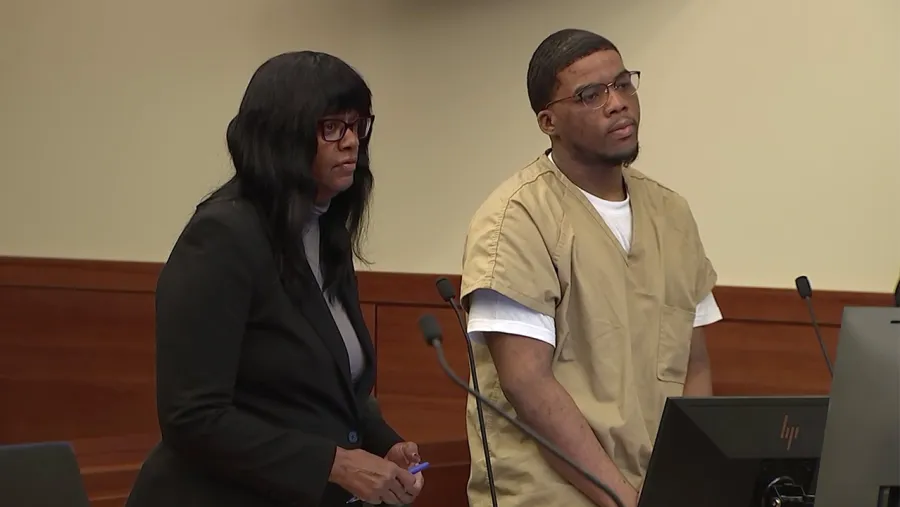

Columbus Man Sentenced in Long-Running Murder Case Following Plea Bargain
COLUMBUS, Ohio — In a significant development after six years of legal proceedings, German Sanchez Jr. was sentenced earlier this week to 20 years in prison following a plea bargain in a high-profile murder case. Sanchez faced an array of charges, including murder, attempted murder, felonious assault, and unlawful possession of a firearm, stemming from an incident that resulted in the death of one man and left another injured.
The tragic events leading to the charges occurred in April 2017, when an altercation in a local neighborhood escalated to violence. Eyewitnesses described the scene as chaotic, with people fleeing as shots rang out. The incident left the community shaken and raised concerns about public safety and gun violence.
Sanchez initially pleaded not guilty to the charges, claiming self-defense. However, following years of delays in court proceedings, including hearings and assessments of mental competency, he ultimately reached a plea agreement with prosecutors. This development highlights both the complexities of navigating the judicial system and the pressing need for timely resolution of violent crime cases.
The plea bargain, which avoided the uncertainty of a trial, includes a reduction of charges, allowing Sanchez to plead guilty to reduced counts in exchange for a longer sentence. Many legal experts view plea bargains as a necessary tool in the judicial system, particularly when cases are mired in delays and have significant implications for victims’ families seeking closure.
As part of the sentencing, Judge Rachel B. Tuckerman stressed the need for accountability, describing the incident as a tragic representation of the consequences of gun violence. “This does not just affect the victims; it has a ripple effect on families and the community,” she remarked during the court proceedings.
The victim’s family expressed relief at the conclusion of the case. “This has been an agonizing journey for us,” remarked the brother of the deceased. “While no amount of time can bring back our loved one, we hope that this brings a sense of justice.” The family has actively participated in community outreach efforts against gun violence, emphasizing the need for preventive measures to protect neighborhoods from similar tragedies.
Gun violence continues to be a pressing issue in urban areas across the United States. Columbus, like many cities, has wrestled with rising crime rates, and the community is now grappling with the impact of this particular case. Advocates for gun reform have pointed to such incidents as a call to action, pushing lawmakers for tighter regulations on firearms and police accountability measures.
In the broader context of criminal justice, this case illustrates some of the systemic challenges faced by courts, including lengthy delays in trials and the complexities involved in prosecuting violent crimes. Legal professionals have emphasized that prolonged court cases can reopen wounds for victims’ families, making the case for more efficient judicial processes clearer than ever.
Sanchez’s case has also reignited discussions surrounding mental health and its role in violent behavior. Mental assessments conducted over the years leading to the plea agreement revealed significant challenges that Sanchez faced. Experts argue that addressing mental health issues is crucial in preventing future incidents of violence and finding a path toward rehabilitation for offenders.
As Sanchez begins his sentence, questions linger about the effectiveness of current gun laws and the role of plea bargains in resolving high-profile cases. Advocates are pushing for broader systemic changes that address both the roots of gun violence and the needs for more efficient and compassionate judicial proceedings.
Looking ahead, the outcome of Sanchez’s case underscores the continuing dialogue around violence and reformation within both the legal system and the community. As Columbus grapples with the ramifications of this incident, stakeholders hope that it will not only provide closure but also serve as a catalyst for meaningful change and greater accountability in gun-related crimes.
