


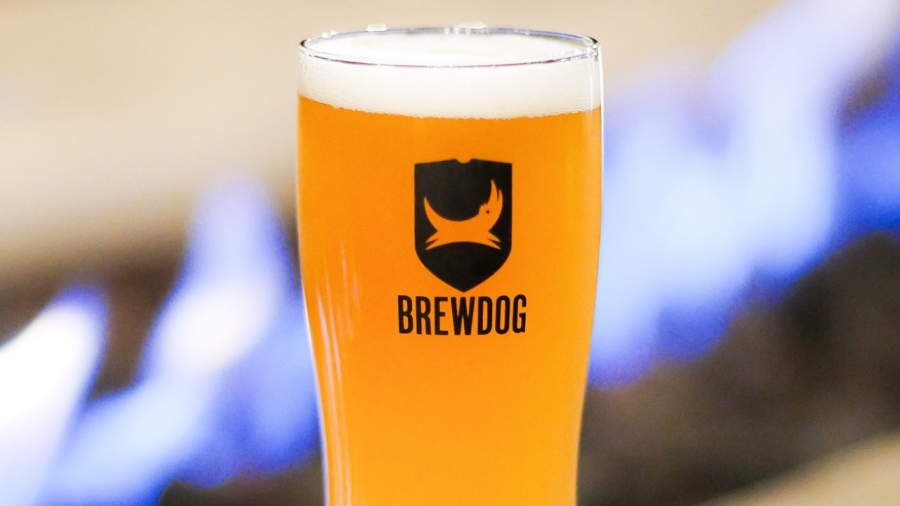

Tilray Brands Acquires BrewDog’s U.K. Operations; U.S. Assets Under Negotiation
COLUMBUS, Ohio – In a surprising turn for the beverage industry, Tilray Brands, a global packaged goods company, has officially acquired the U.K. operations of Scotland-based BrewDog, a prominent craft brewery known for its innovative beers and bold marketing strategies. The deal, finalized on Monday, includes BrewDog’s brewing operations, brand, and intellectual property, marking a significant shift in the craft beer landscape.
BrewDog has garnered a reputation as a pioneering force in the craft beer movement since its inception in 2007. With a dedicated fanbase and numerous accolades, its rapid expansion into the U.K. and beyond has altered consumer perceptions of beer. However, recent challenges, including market saturation and rising operational costs, have forced BrewDog to rethink its financial strategies.
Tilray Brands has been steadily expanding its portfolio, with a focus on cannabis and beverage products. The acquisition of BrewDog’s U.K. operations is seen as a strategic move to diversify its offerings and tap into the growing craft beer market. The deal comes at a time when both companies are navigating a changing industry landscape shaped by evolving consumer preferences and economic pressures.
While the U.K. operations have been secured, discussions regarding BrewDog’s U.S. assets are now in progress. This negotiation could have significant implications for BrewDog’s central Ohio footprint, where the brewery has made a strong mark since opening its first American location in Canal Winchester in 2018. With BrewDog’s ambitious expansion plans in the U.S., the outcome of these negotiations will be closely watched by industry insiders and consumers alike.
One of the key aspects of the deal is BrewDog’s coveted brand identity. Known for its disruptive marketing and commitment to sustainability, BrewDog has effectively captured the attention of a younger demographic that values both innovation and environmental responsibility. This brand equity is something Tilray Brands appears keen to cultivate as it integrates BrewDog’s operations into its growing beverage lineup.
The acquisition signals a potential shift in how craft breweries operate. In recent years, many independent breweries have struggled to maintain their status amidst an influx of new competitors and challenging market conditions. By consolidating operations under a larger corporate umbrella like Tilray, BrewDog may be positioned to benefit from enhanced resources, distribution networks, and marketing expertise.
The broader implications for the craft beer industry could be remarkable. As consolidation among small and medium-sized breweries continues, questions surrounding authenticity and craft integrity arise. Consumer loyalty may waver as iconic brands increasingly become part of larger conglomerates. Tilray’s acquisition of BrewDog could serve as a bellwether for similar moves to come, reflecting the ongoing evolution of the industry.
Local craft beer advocates and BrewDog enthusiasts are reacting with a mix of curiosity and concern. Some express excitement about the potential for expanded distribution and innovation; others worry that BrewDog’s distinct identity could be diluted under Tilray’s corporate oversight. The balance between growth and maintaining the spirit of independence will likely be a pivotal challenge for BrewDog as it embarks on this new chapter.
In the wake of this acquisition, BrewDog’s leadership will need to navigate a complex landscape. While Tilray provides financial strength and operational efficiencies, BrewDog must ensure that it remains true to the values and mission that have resonated with its consumers. The brewery has already committed to maintaining its sustainability initiatives and community-focused programs, which may offer reassurance to its loyal fanbase.
Looking forward, the outcome of negotiations related to BrewDog’s U.S. assets will certainly shape the company’s future and that of the American craft beer scene. If successful in securing these assets, Tilray might further enhance its competitive edge in the booming craft beverage market. Conversely, if the negotiations stall or fail, BrewDog could be forced to reassess and possibly restructure its U.S. operations in a landscape that has become increasingly challenging.
The craft beer industry is at a crucial crossroads, with the BrewDog-Tilray acquisition highlighting both opportunities and challenges ahead. As consumer preferences continue to evolve, and as larger players seek to integrate craft brands into their portfolios, the impacts of such acquisitions will likely be felt for years to come, potentially reshaping the definition of craft brewing itself.
