


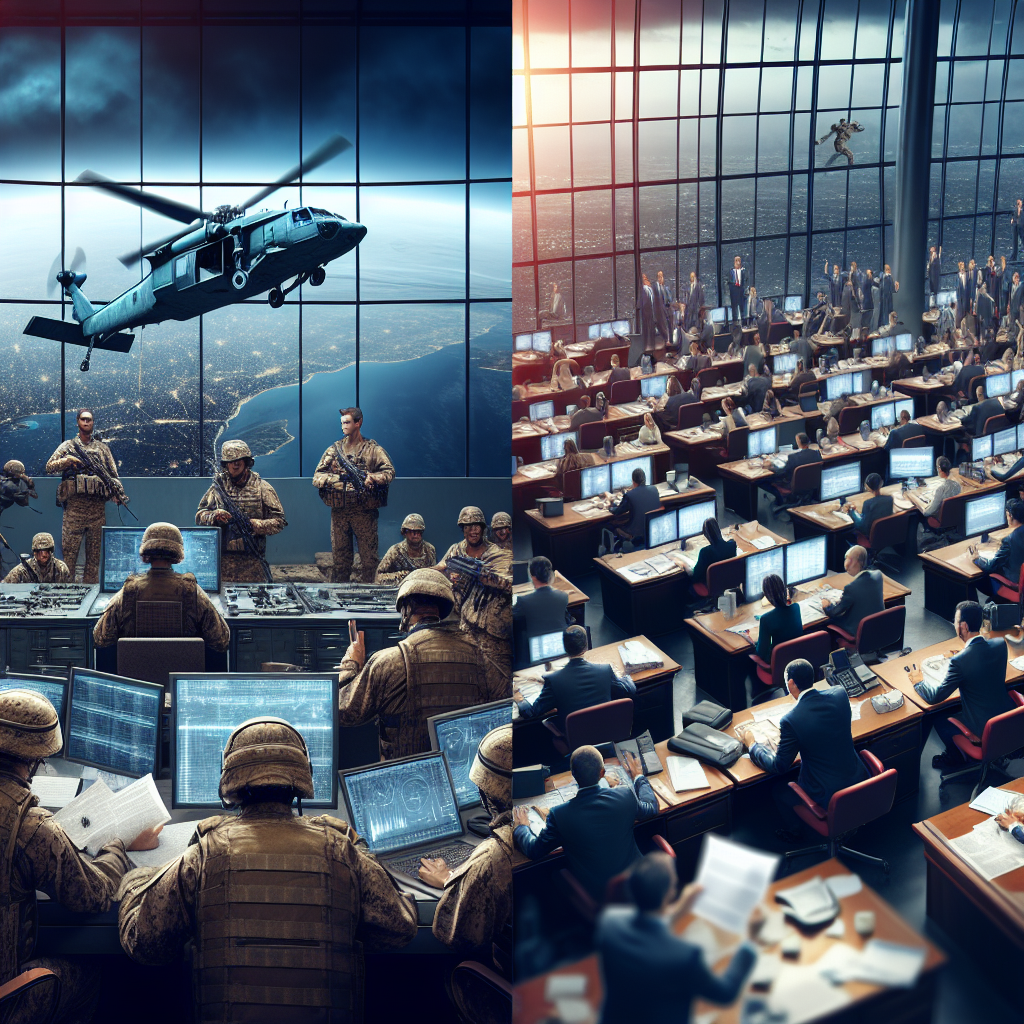

The Rising Tide of Arms: A Global Perspective on Weapons Stockpiles in Conflict
As tensions escalate in various global hotspots, the arms race shows no signs of abating. Countries grapple with the challenges of defense and deterrence while wrestling with the implications of their stockpiles. Indeed, the struggle to maintain and expand military inventories is not just a measure of military strength but also a significant influence on the geopolitical landscape. The ongoing conflict highlights the vital role that weapon supplies will play in determining the balance of power, calling into question not just the immediate tactical advantages but also the long-term implications for international stability.
Contextualizing the Weapons Stockpiles
In recent years, the world has observed an alarming increase in military expenditure and arms development across nations, particularly in Europe and Asia. The Ukraine conflict has underscored the urgent need for modernized weaponry and strategic stockpiling, with member states of NATO pledging heightened military support to bolster the eastern front. Meanwhile, tensions in the Indo-Pacific region, prompted by China’s assertive military posture, have led to a surge in military preparedness among neighboring countries, particularly Japan, South Korea, and Australia.
The global arms trade, valued at hundreds of billions of dollars, continues to thrive as nations respond to perceived threats. Reports reveal that countries such as the United States and Russia remain at the forefront of military expenditure, while emerging powers, like India and Brazil, strive to enhance their arsenals. Organizations like SIPRI (Stockholm International Peace Research Institute) provide extensive data indicating that the arms industry has significantly transformed over the decades, with technological advancements ushering in the age of precision and lethality. Yet, the underlying question remains: how crucial are these stocks to the outcome of ongoing conflicts?
A Complicated Equation
Weapons alone will not determine the victor in any given clash, but they unquestionably alter the dynamics of warfare. The efficacy of weaponry hinges on several factors: operational strategies, troop morale, and the interplay of diplomatic relations. While advanced systems such as drones and missile defense mechanisms add significant firepower, they must be integrated into a broader military strategy that considers logistics and troop engagement. Ultimately, wars are fought by soldiers, and a powerful weapons arsenal can only elevate chances of success when paired with well-trained personnel and cohesive command structures.
Furthermore, the type of weapons held by conflicting parties can decisively influence the psychological aspect of warfare. Nations equipped with sophisticated arms may deter adversaries through the fear of overwhelming retaliation, even before any conflict unfolds. This creates a paradox where stockpiling acts as both a deterrent and an escalation mechanism, prompting rival nations to expand their arsenals in response.
The Geopolitical Impact of Arms Stockpiling
The ramifications of an arms race are far-reaching, extending beyond immediate conflict zones. Increased militarization can strain international relations and exacerbate existing tensions. For instance, the pattern observed in the Baltic states illustrates how heightened military readiness influences interactions with Russia, a nation that has historically used military maneuvers as a tool of policy. Perceptions of vulnerability compel smaller nations to seek military upgrades, while larger powers may interpret such actions as threats, creating a vicious cycle of escalation.
In the Indo-Pacific, the U.S. commitment to bolster military alliances raises questions about China’s regional ambitions. With Beijing actively expanding its capabilities, neighboring states are now compelled to pursue enhanced military preparedness, leading to elevated spending and strategic partnerships. The broader implications for global power dynamics demand attention; a new equilibrium is emerging, characterized by rival military blocs vying for dominance.
Why This Matters Globally
The question of weapons stocks is not merely a military concern but one that shapes societal and economic landscapes. The global arms trade fuels various economies, but the focus on military growth diverts crucial resources from pressing social issues, such as healthcare and education. Moreover, the arms race invites scrutiny regarding humanitarian implications. Conflicts fueled by advanced weaponry lead to significant human costs, affecting civilian populations disproportionately. The cycle of violence can destabilize entire regions, creating waves of refugees and humanitarian crises that reverberate globally.
Moreover, under international law, arms proliferation must be closely monitored to prevent falling into the hands of rogue factions or being used in humanitarian violations. The emergence of unregulated arms flows underscores the necessity for comprehensive international treaties that can restrain the arms race and guide nations toward a more peaceful coexistence.
Conclusion: The Time for Reflection
As the world enters a new era of complex geopolitical challenges, the role of weapons stockpiles in conflict persists as a pivotal issue. While arms serve as a deterrent or a facilitator in warfare, their effective application rests firmly on military strategy, international relations, and the economic conditions of nations. Addressing the global implications of an escalated arms race is more urgent than ever, as the pursuit of advanced military capabilities often occurs at the expense of diplomatic engagement and peace-building initiatives. In an increasingly interconnected world, prioritizing dialogue and de-escalation remains essential to prevent the catastrophic consequences that may arise from the unchecked proliferation of arms. The lesson to be gleaned is clear: conflicts are not merely decided by the firepower amassed but rather by the will to balance strength with diplomacy on the global stage.
Source: https://www.bbc.com/news/articles/cdxzzqe82d2o?at_medium=RSS&at_campaign=rss
