


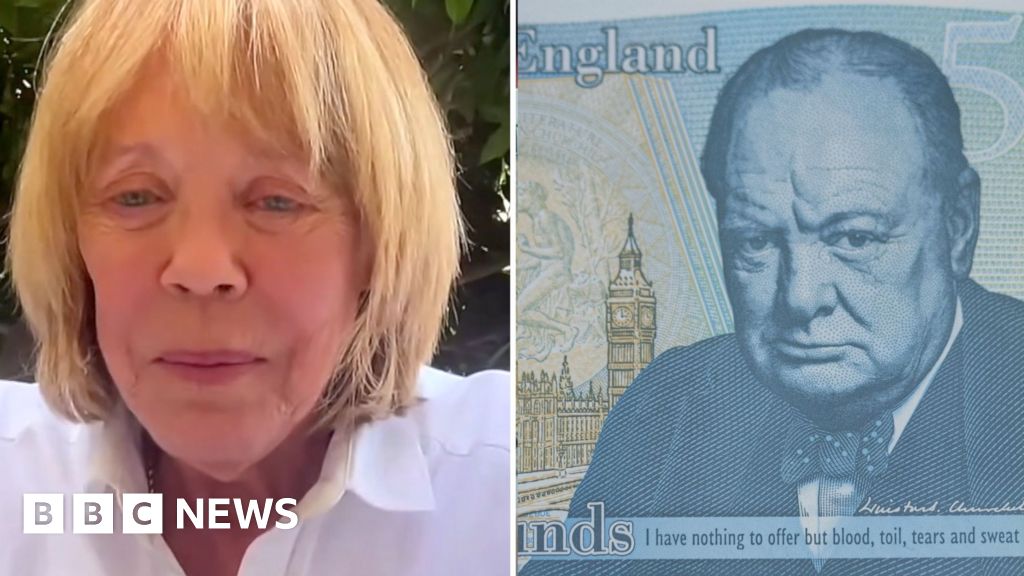

Churchill to Be Replaced by Animal on UK £5 Note, Bank of England Announces
The Bank of England has unveiled plans to replace Sir Winston Churchill with an animal on the £5 note, sparking a mix of reactions across the United Kingdom. The decision marks a significant shift in the representation of British currency, moving away from historical figures to celebrate the nation’s diverse wildlife.
The announcement was met with both support and criticism, as the iconic wartime leader’s portrait has graced the £5 note since 2016. The Bank has yet to disclose which animal will replace Churchill, but the move aligns with a broader trend of reimagining national symbols to reflect contemporary values.
Emma Soames, Churchill’s granddaughter, publicly endorsed the change, describing it as a fitting tribute to Britain’s heritage in a broader sense. “Sir Winston’s legacy will endure regardless of currency,” Soames said. She dismissed accusations of so-called “wokery” leveled by Reform UK leader Nigel Farage, who criticized the decision as an erasure of British history.
The Bank of England emphasized that the decision was part of its commitment to inclusivity and representation. A spokesperson stated, “Our currency should reflect the rich tapestry of British life, past and present. This change honors both our natural heritage and the values we hold dear as a nation.”
Context and Historical Significance
Churchill, one of Britain’s most celebrated figures, led the country through World War II and remains a symbol of resilience and leadership. His appearance on the £5 note came after a public campaign to feature him on British currency, replacing social reformer Elizabeth Fry in 2016.
The decision to replace Churchill reflects a broader global trend of re-evaluating historical figures and symbols in light of modern values. In recent years, many countries have grappled with how to honor their histories while acknowledging diverse perspectives and inclusive representation.
The choice of an animal—a departure from the tradition of featuring prominent individuals—signals a new direction for the Bank of England. Wildlife has long been a source of national pride in the UK, with species like the red squirrel, puffin, and red fox holding cultural significance.
Public Reactions and Political Debate
The announcement has ignited a lively debate among politicians, historians, and the public. Supporters argue that featuring an animal on the £5 note celebrates Britain’s natural heritage and underscores the importance of environmental conservation. Critics, however, view the change as a move to downplay historical figures like Churchill, whose legacy remains influential but also controversial due to his views on empire and race.
Reform UK leader Nigel Farage has been among the most vocal opponents, calling the decision “an attack on British identity.” “Replacing Churchill with an animal is woke nonsense,” Farage said. “We risk losing touch with our history and the values that made this country great.”
Conversely, environmental groups have praised the decision. “This is a powerful statement about the importance of protecting our natural world,” said a spokesperson for the Wildlife Trusts. “Featuring a native animal on our currency reminds us of our responsibility to preserve our environment for future generations.”
Why It Matters
The redesign of the £5 note is more than a symbolic gesture; it reflects evolving societal values and priorities. As the UK navigates challenges like climate change, biodiversity loss, and debates over national identity, the Bank of England’s decision underscores the interconnectedness of these issues.
Representation on currency is a powerful tool for shaping national identity. By featuring an animal, the Bank of England sends a message about the importance of conservation and the role of nature in British life.
At the same time, the decision raises questions about how societies reconcile honoring historical figures with acknowledging their complex legacies. Churchill’s leadership during World War II is widely celebrated, but his views on colonialism and race have been increasingly scrutinized in recent years.
Future Implications
The Bank of England has not yet announced a timeline for the release of the new £5 note or which animal will be featured. However, the decision is likely to influence future designs of British currency, potentially paving the way for more diverse representations.
This move could also inspire other nations to reconsider their own currency designs, reflecting contemporary values and priorities. As global conversations about identity, history, and conservation continue to evolve, symbols like currency play a critical role in shaping public discourse.
Ultimately, the replacement of Churchill with an animal on the £5 note represents a moment of transition for the UK. It highlights the ongoing tension between honoring the past and embracing the future while underscoring the importance of inclusivity and environmental stewardship in shaping national identity.
As the Bank of England finalizes its plans, the public awaits further details with anticipation. The new £5 note, whenever it arrives, will serve as a tangible reminder of the values and priorities that define modern Britain.
