



Tragedy in the Skies: US Military Refuelling Aircraft Crash Claims Six Lives in Western Iraq
The vast, arid expanses of western Iraq became the scene of a grim tragedy this week as a US military refuelling aircraft crashed, killing all six crew members on board. The incident, confirmed by the US Central Command (CENTCOM), has sent ripples across global defence and security circles, raising questions about the operational challenges faced by coalition forces in a region still grappling with instability. The crash comes amid heightened tensions in the Middle East, underscoring the precarious balance of power and the inherent risks of military operations in contested territories.
The Incident: A Devastating Loss
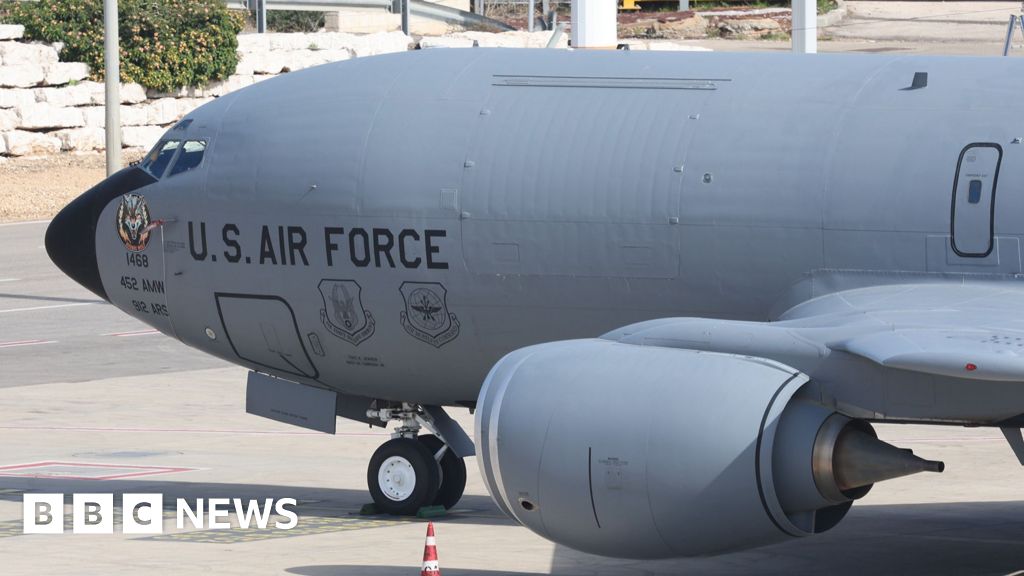
According to CENTCOM, the aircraft, identified as a KC-135 Stratotanker, was on a routine refuelling mission when it plummeted to the ground in a remote area of western Iraq. The aircraft, a critical component of aerial operations, is designed to refuel other planes mid-flight, extending their range and operational capabilities. Its loss represents not only a human tragedy but also a significant blow to US military operations in the region.
The exact cause of the crash remains under investigation, with initial reports citing technical malfunctions as a potential factor. However, officials have been quick to rule out enemy fire, emphasising that no hostile activity was detected in the area at the time of the incident. The crash site has been secured, and recovery operations are underway to retrieve the remains of the crew and gather evidence to determine the precise circumstances leading to the disaster.
Global Context: The Middle East’s Fragile Stability
The crash occurs against a backdrop of escalating tensions in the Middle East, a region that continues to be a flashpoint for global conflict. Western Iraq, in particular, has long been a contested zone, hosting both coalition forces and remnants of insurgent groups. The US military maintains a significant presence in the region, primarily focused on counterterrorism operations and training local forces to combat threats from groups like ISIS, which remains active despite losing its territorial caliphate in 2019.
The incident also highlights the broader challenges faced by coalition forces operating in hostile environments. While the US has scaled back its troop presence in Iraq in recent years, it retains a substantial logistical and operational footprint, relying heavily on aerial assets like the KC-135 to sustain its missions. The loss of such a critical aircraft not only disrupts these operations but also raises concerns about the safety of military personnel and the sustainability of long-term missions in the region.
Why It Matters: Implications for Global Security
Beyond the immediate tragedy, the crash has far-reaching implications for global security and geopolitics. The Middle East remains a powder keg, with ongoing conflicts, proxy wars, and geopolitical rivalries exacerbating instability. The US military’s presence in Iraq is a cornerstone of its strategy to maintain influence in the region, counterbalance Iranian aggression, and prevent the resurgence of extremist groups.
The incident underscores the risks associated with maintaining such a presence, particularly as global powers increasingly rely on advanced technology and aerial capabilities to project power. It also serves as a stark reminder of the human cost of military operations, with each loss of life reverberating through communities and nations alike.
Moreover, the crash could have diplomatic repercussions, particularly in Iraq, where anti-US sentiment remains high in some quarters. While the Iraqi government has largely cooperated with coalition forces, incidents like this could strain relations and complicate efforts to maintain a stable partnership.
The Human Toll: Remembering the Fallen
While the crash is a story of geopolitics and military strategy, it is ultimately a deeply human tragedy. The six crew members who lost their lives were individuals with families, friends, and dreams. Their deaths are a sobering reminder of the sacrifices made by military personnel in service of their countries and global security.
CENTCOM has not yet released the identities of the victims, pending notification of their families. However, tributes have begun pouring in from colleagues and comrades, highlighting their dedication, bravery, and professionalism. As the investigation continues, the focus remains on honouring their memory and ensuring that such a tragedy does not occur again.
Looking Ahead: Lessons and Challenges
As the dust settles on this tragedy, the global community is left to grapple with its implications. The crash raises critical questions about the safety of military operations in volatile regions, the reliability of ageing aircraft fleets, and the broader strategy of maintaining a military presence in conflict zones.
For the US military, the incident is likely to prompt a thorough review of its operational protocols and safety measures. For the international community, it serves as a call to address the root causes of instability in the Middle East and work towards lasting peace and security.
Conclusion: A Stark Reminder of the Cost of Conflict
The crash of the KC-135 Stratotanker in western Iraq is more than just a military incident; it is a poignant reminder of the fragility of peace and the human cost of global security. In a world increasingly shaped by geopolitical tensions and technological advancements, this tragedy underscores the need for vigilance, collaboration, and compassion.
As the international community mourns the loss of six lives, it must also reflect on the broader challenges of maintaining stability in a turbulent world. The skies over western Iraq may now be silent, but the echoes of this tragedy will resonate far beyond the desert sands, reminding us of the enduring price of freedom and security.
