



Escalation in Lebanon: Israeli Airstrikes Rock Beirut, Raising Fears of Wider Regional Conflict
Beirut in Flames as Strikes Kill 12 Amid Rising Tensions
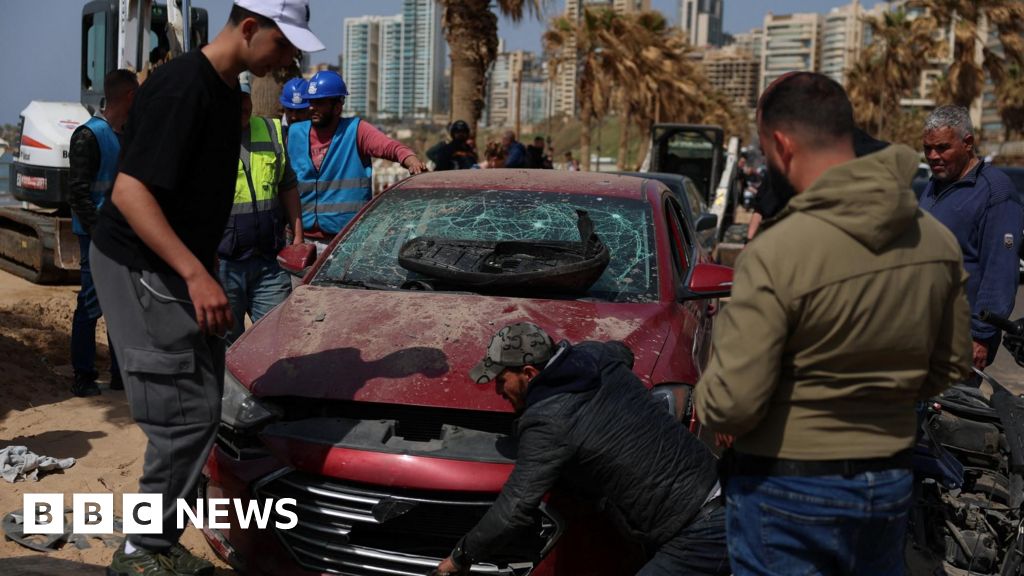
The night sky over Beirut turned orange as explosions reverberated across the Lebanese capital, marking one of the deadliest Israeli airstrikes in the city in years. At least 12 people were killed in strikes along the seafront, with buildings reduced to rubble and emergency crews scrambling to pull survivors from the wreckage. The attack, which also hit multiple neighborhoods beyond the initial target zone, has sent shockwaves through a region already on edge from months of cross-border hostilities between Israel and Hezbollah. As global leaders call for restraint, fears grow that this latest escalation could spiral into a full-scale war, destabilizing an already volatile Middle East.
A Dangerous Escalation in Israel-Hezbollah Conflict
The strikes come amid intensifying clashes between Israel and the Iran-backed militant group Hezbollah, which has been exchanging near-daily rocket fire with Israeli forces since the outbreak of the Israel-Hamas war in October. While most fighting had been confined to border areas, Tuesday’s bombardment marks a significant expansion, bringing the conflict deeper into Lebanese territory. Analysts warn that Israel’s decision to strike Beirut directly—a rare move since the 2006 Lebanon War—signals a dangerous shift in strategy.
Hezbollah, a powerful political and military force in Lebanon, has vowed retaliation, raising concerns of a cycle of violence that could drag in other regional actors. Iran, Hezbollah’s chief sponsor, has condemned the attack, while the U.S. and European Union urge de-escalation. The strikes also risk further destabilizing Lebanon, a country already grappling with economic collapse and political paralysis.
Global Implications: A Tinderbox Waiting to Ignite
The widening conflict between Israel and Hezbollah has far-reaching consequences beyond the Middle East. Oil markets have shown signs of unease, with Brent crude prices ticking upward amid fears of supply disruptions. Global shipping routes, particularly in the eastern Mediterranean, could face heightened risks if hostilities escalate. Meanwhile, Western governments fear a broader war could divert attention from Ukraine and strain international diplomatic efforts.
For Lebanon, already suffering from a crippling financial crisis, renewed warfare could spell disaster. The country hosts over a million Syrian refugees, and a full-blown conflict would likely trigger another mass exodus, placing additional pressure on European nations already struggling with migration challenges. The U.N. has warned that further violence could overwhelm Lebanon’s crumbling infrastructure, leaving millions without access to basic services.
Human Toll: Civilians Caught in the Crossfire
Among the 12 reported dead were at least four civilians, including a child, according to Lebanese medical sources. Eyewitnesses described scenes of chaos as rescuers dug through collapsed buildings in search of survivors. “We heard the explosion, then screams—it was like hell,” said one resident near the seafront district. Hospitals in Beirut, many already operating at limited capacity due to Lebanon’s economic crisis, are now bracing for an influx of casualties.
The strikes have also reignited painful memories of past conflicts. Beirut has not seen such intense bombardment since the 2006 war between Israel and Hezbollah, which left over 1,000 Lebanese dead and displaced nearly a million. For many, the latest violence is a grim reminder of the city’s fragility—and the human cost of geopolitical rivalries.
Diplomatic Efforts: Can War Be Averted?
International mediators are racing to prevent further escalation. The U.S. has reportedly engaged in backchannel talks with both Israeli and Lebanese officials, while France and Qatar have offered to facilitate negotiations. However, with Hezbollah’s leadership pledging a “painful response,” hopes for a quick de-escalation remain slim.
The situation is further complicated by the ongoing war in Gaza. Israeli Prime Minister Benjamin Netanyahu has framed the strikes as necessary to degrade Hezbollah’s capabilities, but critics argue that expanding the conflict risks overextending Israel’s military and alienating key allies. Meanwhile, Hezbollah faces pressure from within Lebanon, where many blame the group for provoking Israeli retaliation.
Why This Matters for the World
The Beirut strikes are more than just another flare-up in a long-running regional conflict—they represent a potential tipping point. A full-scale Israel-Hezbollah war would not only devastate Lebanon but also draw in Iran, disrupt global energy supplies, and strain an already fractured international order. For Western powers, the crisis presents a dilemma: how to support Israel’s security without enabling a wider war that could destabilize the entire region.
For now, the world watches nervously as the next moves by Israel, Hezbollah, and their backers could determine whether this remains a localized conflict or explodes into something far worse.
A Region on the Brink
As smoke clears over Beirut, the question lingers: is this the prelude to all-out war, or can diplomacy still pull the region back from the edge? With civilians paying the heaviest price and global stakes higher than ever, the coming days will test whether cooler heads can prevail—or if the Middle East is destined for another devastating conflict. One thing is certain: the world cannot afford to look away.
