



US Eases Sanctions on Russian Oil in Transit, UK Expresses Concern
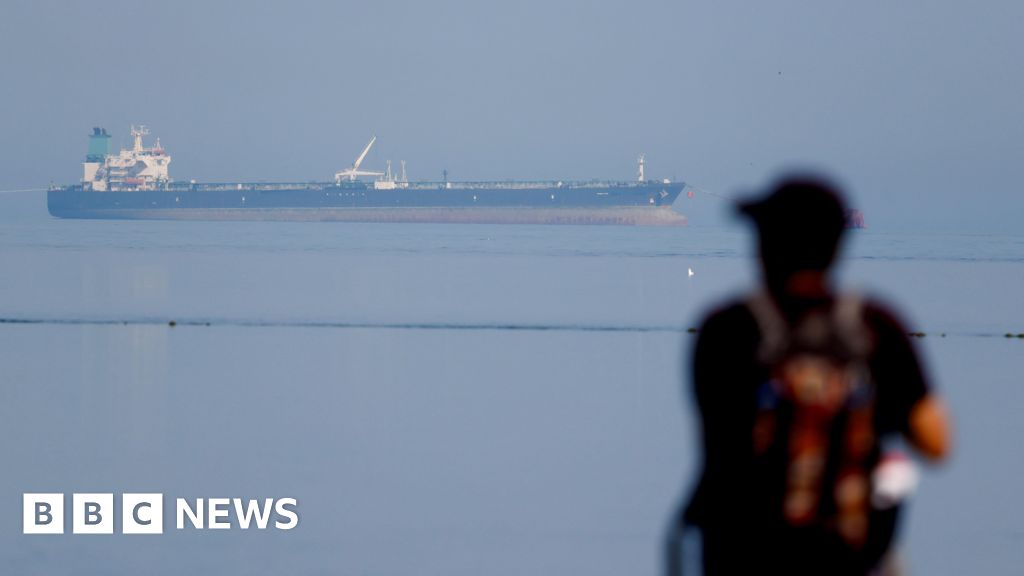
In a move that has sparked international debate, the United States has decided to ease sanctions on Russian oil already in transit, prompting the United Kingdom to voice its reservations. The decision, seen as a potential shift in Washington’s stringent stance on Russian energy exports, has raised questions about the unity of Western allies in maintaining pressure on Moscow amid its ongoing war in Ukraine.
The UK Prime Minister’s official spokesman addressed the issue on Thursday, stating, “Ultimately, it’s obviously a decision for the US, but our position is clear. All partners should maintain pressure on Russia and its war chest.” The comment highlights the UK’s commitment to sustaining economic sanctions as a critical tool in weakening Russia’s ability to finance its military operations.
The US decision, which allows Russian oil shipments already en route to proceed without sanctions, was announced earlier this week. While the Biden administration has not publicly detailed the rationale behind the move, analysts suggest it may be an attempt to stabilize global energy markets and avoid further disruptions that could exacerbate inflationary pressures.
However, the UK’s response underscores the delicate balance Western nations must strike between economic stability and their commitment to isolating Russia. Since the invasion of Ukraine in February 2022, the US, UK, and European Union have imposed sweeping sanctions on Russia, targeting its financial sector, energy exports, and key individuals. These measures have been central to efforts to curb Moscow’s access to resources needed to sustain its war effort.
The easing of sanctions on oil in transit marks a notable departure from previous policy, raising concerns about its potential impact on the coalition’s united front. The UK’s statement reflects a broader unease among some allies that any relaxation of sanctions could inadvertently bolster Russia’s economy.
Global Energy Markets and Geopolitical Tensions
Russia remains one of the world’s largest exporters of oil, and its energy sector has been a primary target of Western sanctions. The European Union has significantly reduced its reliance on Russian oil, shifting to alternative suppliers and accelerating its transition to renewable energy. Meanwhile, the US has sought to limit Russia’s ability to profit from its energy exports by imposing price caps and restricting access to Western markets.
The latest US decision comes amid ongoing volatility in global energy markets, driven by geopolitical tensions and fluctuating demand. Allowing Russian oil already in transit to reach its destinations could help stabilize prices in the short term, but critics argue it may undermine long-term strategic goals.
“This decision sends mixed signals,” said John Smith, a geopolitical analyst specializing in energy markets. “On one hand, it acknowledges the complexity of energy supply chains and the need to avoid sudden disruptions. On the other hand, it risks diluting the effectiveness of sanctions and could embolden Russia to continue its aggressive policies.”
The UK’s Firm Stance
The UK has been a vocal advocate for maintaining stringent sanctions on Russia, positioning itself as a key player in the international coalition opposing Moscow’s actions. Prime Minister Rishi Sunak has repeatedly emphasized the importance of cutting off Russian President Vladimir Putin’s access to resources that fund the war in Ukraine.
The UK’s response to the US decision reflects this unwavering stance. While acknowledging Washington’s autonomy in setting its policies, the Prime Minister’s spokesman made clear that London believes maintaining pressure on Russia remains paramount.
“The UK has consistently argued that sanctions are a vital tool in holding Russia accountable for its actions,” said Emily Carter, a senior fellow at the Institute for Global Security Studies. “Any perceived weakening of these measures could undermine the coalition’s credibility and embolden Moscow.”
The Broader Context
The US decision comes at a critical juncture in the Ukraine conflict, with both sides preparing for a potentially protracted war of attrition. Western nations have continued to supply Ukraine with military aid and humanitarian support, but disagreements over sanctions highlight the challenges of maintaining a unified approach.
The easing of sanctions on Russian oil in transit also underscores the divergent priorities among Western allies. While European nations have focused on reducing their dependence on Russian energy, the US has sought to balance its commitment to Ukraine with domestic economic concerns.
“This move reflects the tension between geopolitical objectives and economic realities,” said Michael Thompson, an international relations expert. “The US is trying to navigate a complex landscape where energy security, inflation, and global alliances intersect.”
Future Implications
The US decision to ease sanctions on Russian oil in transit could have far-reaching consequences for the international coalition opposing Moscow. While it may provide temporary relief to energy markets, it risks creating fissures among allies and undermining the broader sanctions regime.
Looking ahead, the Biden administration will face pressure to clarify its strategy and reassure partners that its commitment to isolating Russia remains steadfast. Meanwhile, the UK and other allies will likely intensify their efforts to maintain a united front, emphasizing the need for sustained economic pressure on Moscow.
As the war in Ukraine enters its next phase, the cohesion of Western nations will be critical in determining the outcome. The latest developments underscore the challenges of balancing economic interests with geopolitical imperatives—a dilemma that will continue to shape the global response to Russia’s actions.
The international community will be closely watching how the US and its allies navigate this complex landscape, with the stakes higher than ever for Ukraine’s future and the stability of the global order.
