


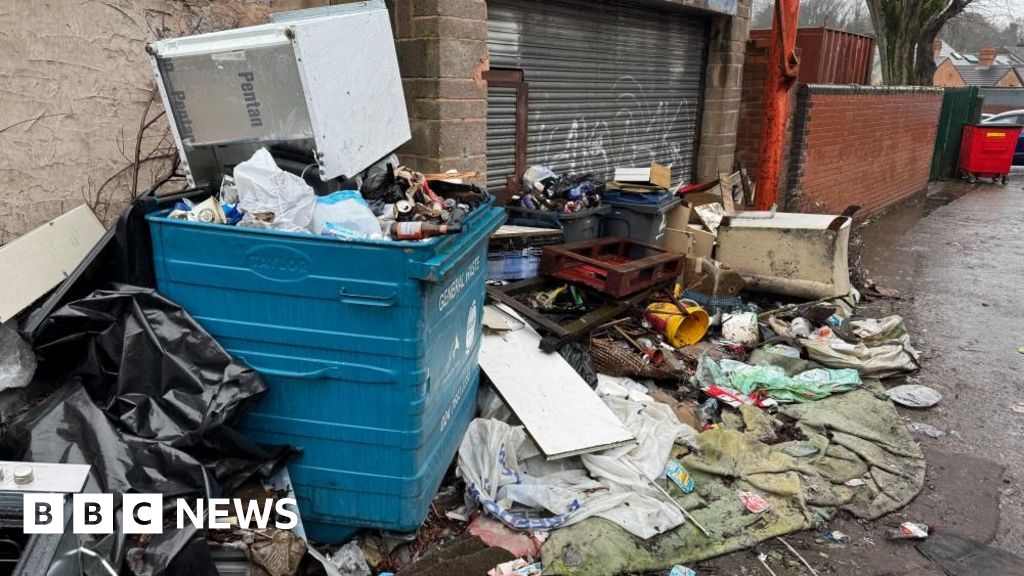

UK Government Proposes Stricter Penalties for Fly-Tipping, Including Licence Points for Offenders
London, United Kingdom — Drivers caught illegally dumping waste in England, Scotland, and Wales could face penalty points on their licences under newly proposed government measures aimed at cracking down on fly-tipping. The Department for Environment, Food and Rural Affairs (Defra) announced the plans on Saturday, marking a significant escalation in efforts to deter an environmental crime that costs taxpayers millions annually.
Under the proposed rules, offenders caught fly-tipping could receive penalty points in addition to existing fines or prosecution. Licence holders who accumulate 12 or more points within three years risk disqualification from driving—a move intended to target those who use vehicles to transport and dump waste illegally.
Growing Problem, Stronger Enforcement
Fly-tipping—the illegal disposal of household, industrial, or commercial waste—has surged in recent years, with local authorities in England alone reporting over 1 million incidents in 2022/23. The crime blights rural and urban areas alike, polluting landscapes, endangering wildlife, and burdening councils with cleanup costs exceeding £50 million annually.
Current penalties include fines of up to £400 for small-scale offences, while serious cases can lead to unlimited fines or even imprisonment. However, enforcement remains inconsistent, with many offenders evading prosecution. By linking fly-tipping to driving records, the government hopes to create a stronger deterrent.
Why This Matters
Environmental campaigners have long argued that existing penalties fail to match the scale of the problem. “Fly-tipping isn’t just an eyesore—it’s a serious environmental hazard,” said a spokesperson for the environmental group Keep Britain Tidy. “Tougher penalties, including licence repercussions, could finally make offenders think twice.”
The move also targets organised criminal networks that profit from illegal waste disposal. Many operators use vans or trucks to dump large quantities of construction debris or hazardous materials, often under cover of darkness. By threatening their ability to drive, authorities aim to disrupt these operations.
Mixed Reactions
While the proposal has been welcomed by environmental groups, some critics argue it could unfairly penalise unaware vehicle owners. “If someone borrows a van and doesn’t realise it’s being used for fly-tipping, they could still face points,” warned a legal expert familiar with traffic laws. Defra has yet to clarify whether penalties would apply strictly to offenders caught in the act or extend to registered vehicle owners.
The government is expected to launch a public consultation before finalising the measures. If approved, the new rules could come into force as early as next year.
Future Implications
The proposed changes signal a broader shift toward stricter environmental enforcement in the UK. With public frustration over fly-tipping at an all-time high, policymakers are under pressure to deliver tangible solutions. If successful, the penalty points system could serve as a model for other nations grappling with similar waste crimes.
For now, the focus remains on deterrence. As one Defra official stated, “The message is clear: if you dump waste illegally, you risk losing your right to drive.” Whether the threat of licence points will curb the crisis remains to be seen—but for communities plagued by fly-tipping, any step toward accountability is a welcome one.
