



Iran’s Crackdown on Dissent Sparks Global Concern Over Escalating Repression
A Nation Silenced: Iran’s Deadliest Crackdown Yet
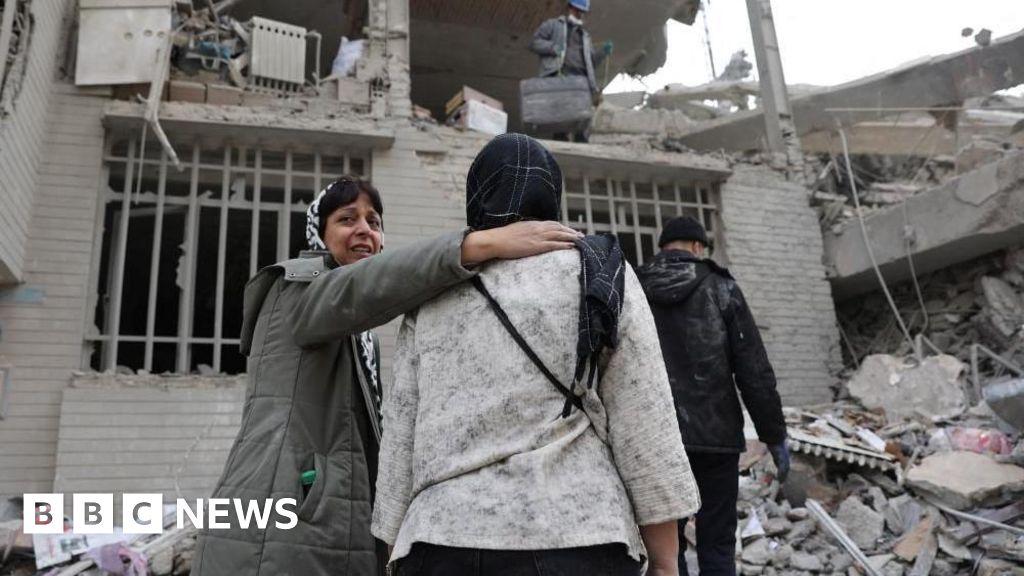
In the shadows of Iran’s tightly controlled digital landscape, whispers of defiance persist. Despite severe internet restrictions and a brutal government crackdown, dissenting voices continue to emerge—revealing a population pushed to the brink. The BBC recently spoke with Iranians who, after witnessing the violent suppression of nationwide protests, now openly support foreign military intervention against the Islamic Republic. Their desperation underscores a grim reality: Iran’s government has unleashed its most lethal wave of repression in decades, leaving citizens with dwindling hope for peaceful reform.
The protests, sparked by economic hardship and political oppression, were met with overwhelming force. Security forces deployed live ammunition, mass arrests, and executions, turning streets into battlegrounds. Human rights groups estimate hundreds have been killed and thousands detained—marking this as the deadliest state response since the 1979 revolution.
Global Implications: A Test for Democracy and Human Rights
Iran’s escalating crackdown is not just an internal crisis—it is a litmus test for the international community’s commitment to human rights. Western nations, including the U.S. and EU, have condemned Tehran’s actions but stopped short of decisive intervention. Meanwhile, regional rivals like Israel and Saudi Arabia watch closely, wary of Iran’s destabilizing influence.
The situation also raises urgent questions about digital authoritarianism. Iran’s regime has perfected internet blackouts and surveillance, setting a dangerous precedent for other autocratic states. If unchecked, such tactics could embolden governments worldwide to stifle dissent with impunity.
Why This Matters Beyond Iran’s Borders
- Geopolitical Tensions: Iran’s instability risks inflaming Middle Eastern conflicts, from Yemen to Syria, where Tehran-backed militias operate.
- Refugee Crisis: A worsening crackdown could trigger another wave of migration, straining neighboring countries and Europe.
- Nuclear Stalemate: Domestic turmoil complicates already stalled nuclear talks, raising fears of proliferation or military confrontation.
- Global Authoritarianism: Iran’s tactics mirror those of Russia and China, signaling a broader trend of digital repression.
A Fractured Resistance: Voices from the Underground
Interviews reveal a fractured but resilient opposition. Some activists advocate for foreign intervention, while others fear it would only deepen suffering. “We’re trapped between a regime that kills us and a world that ignores us,” one dissident told the BBC anonymously.
The government, meanwhile, dismisses protests as foreign-backed conspiracies. State media portrays dissent as treason, further polarizing society. Yet, economic collapse and international isolation have eroded public trust, leaving the regime increasingly reliant on brute force.
What Comes Next?
With protests suppressed but grievances unresolved, Iran remains a pressure cooker. Experts warn that without meaningful reforms, another uprising is inevitable—potentially more violent than the last. The international community faces a dilemma: intervene and risk escalation, or stand by as repression intensifies?
Conclusion: A Crisis with No Easy Answers
Iran’s turmoil is more than a domestic tragedy—it is a global security challenge. The world’s response (or lack thereof) will shape not only Iran’s future but also the broader struggle between democracy and autocracy. As Tehran tightens its grip, the voices of dissent grow quieter—but their message echoes far beyond Iran’s borders, demanding attention before it’s too late.
—Reported with contributions from regional analysts and human rights monitors.
