



Middle East Conflict Escalates: Global Implications of Iran-Israel-US Tensions
A Market in Shock: Doha’s Empty Streets Reflect Regional Turmoil
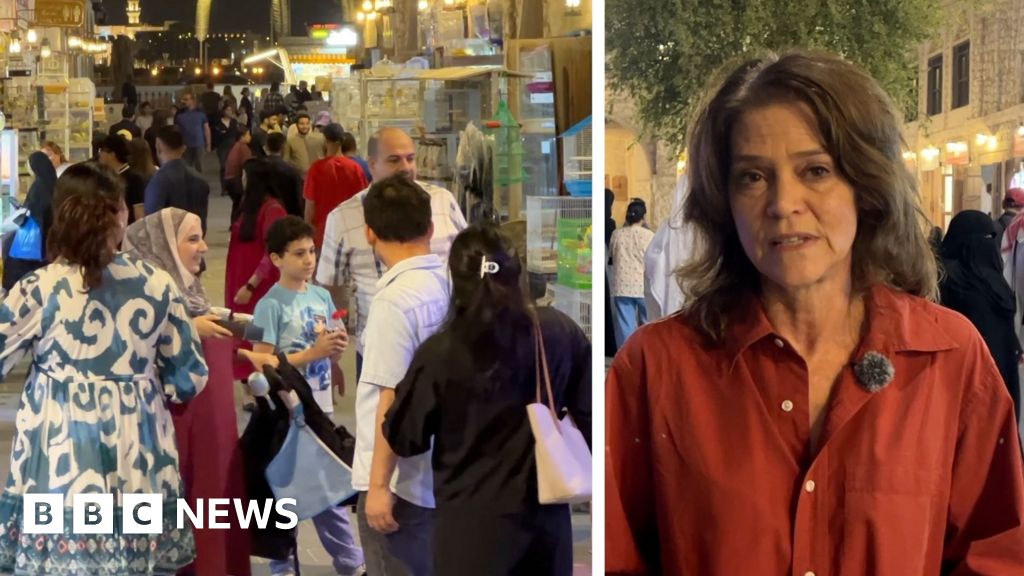
The usually bustling Souq Waqif market in Doha stood eerily quiet on February 28, as the first waves of retaliatory strikes between Iran, Israel, and the US sent shockwaves through the Gulf. The sudden escalation—sparked by a deadly exchange of attacks—left residents of one of the Middle East’s most stable capitals grappling with an unfamiliar sense of vulnerability. Just weeks into the conflict, the human cost has already been severe, with at least 18 reported dead across neighbouring Gulf states. While Qatar’s advanced air defences have intercepted most incoming strikes—sparing the country major casualties—the psychological toll is undeniable. Now, as the conflict enters its third week, cautious normalcy returns to Doha’s streets. But the question lingers: How long before the next escalation?
The Roots of the Crisis: A Chain Reaction of Retaliation
The current violence traces back to a series of tit-for-tat strikes between Israel and Iranian-backed forces, drawing the US deeper into the conflict. Iran’s recent missile and drone attacks—launched in response to alleged Israeli operations on its soil—marked a dangerous shift from proxy warfare to direct confrontation. The US, committed to defending regional allies, has engaged in retaliatory strikes, further inflaming tensions.
Qatar, traditionally a mediator in Middle Eastern conflicts, now finds itself in the crossfire. Though most attacks targeting US bases in the country have been thwarted, the mere fact that Qatar is a battleground underscores the conflict’s expanding reach. The Gulf, once a relative haven of stability, is now a flashpoint in a rapidly deteriorating security landscape.
Global Ripples: Why This Conflict Matters Beyond the Middle East
The implications of this escalation extend far beyond the region. Three key factors make this a global concern:
- Energy Security – The Gulf supplies nearly a third of the world’s oil. Any prolonged conflict risks disrupting shipments, sending fuel prices soaring and destabilizing economies still recovering from inflation shocks.
- Great Power Tensions – The US and Iran’s direct involvement raises the specter of a wider war, with Russia and China closely monitoring the situation. A miscalculation could draw in other global players.
- Humanitarian Fallout – With civilian casualties mounting, the conflict threatens to exacerbate the Middle East’s refugee crisis, placing additional strain on Europe and neighboring states.
Qatar’s Precarious Balancing Act
As a key US ally and a diplomatic bridge to Iran, Qatar walks a tightrope. Its ability to mediate past conflicts—such as the 2021 Israel-Hamas ceasefire—has earned it international credibility. But with direct attacks on its soil, Doha’s neutrality is being tested.
Barbara Plett Usher of the BBC recently visited Souq Waqif, where merchants and locals expressed a mix of resilience and unease. “Business is slowly returning, but people are watching the skies,” one vendor admitted. The sentiment captures Qatar’s fragile reality: life goes on, but the threat looms large.
What Comes Next?
Diplomatic efforts to de-escalate are underway, but the risk of further strikes remains high. Israel has vowed to respond to Iran’s attacks, while Tehran warns of “severe consequences” if provoked again. The US, meanwhile, faces pressure to protect its interests without triggering a full-scale war.
For now, Qatar’s streets are regaining their rhythm. But as history has shown in the Middle East, calm can be shattered in an instant. The world watches nervously—aware that the next move could determine whether this conflict remains contained or spirals into something far worse.
A Conflict That Demands Global Attention
The stakes could not be higher. Beyond the immediate bloodshed, this confrontation threatens to reshape alliances, destabilize energy markets, and ignite a broader war. For Qatar and its neighbors, the hope is that diplomacy prevails before the next strike lands. For the rest of the world, the lesson is clear: In an interconnected age, no conflict stays local for long.
