


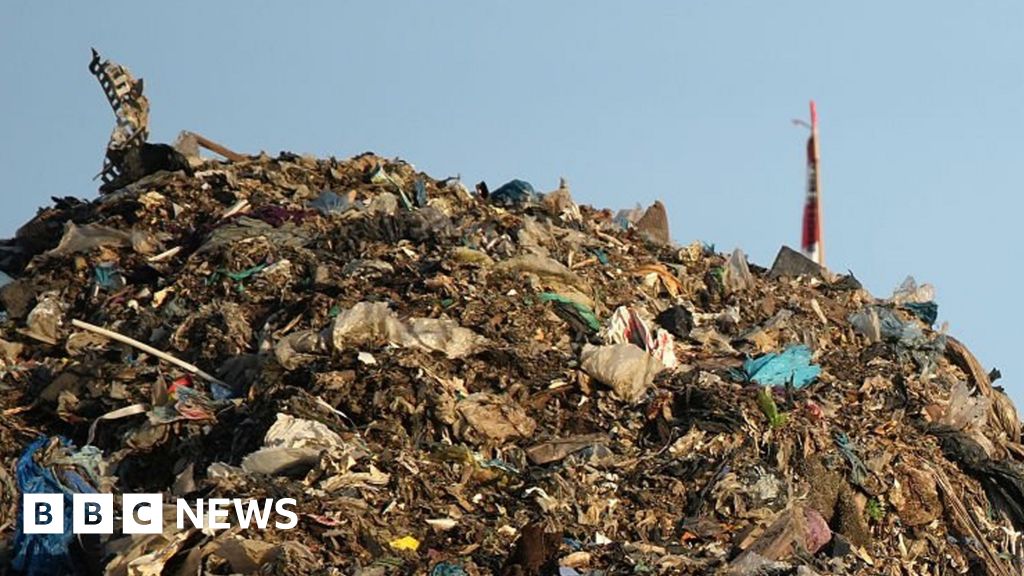

Environment Agency Targets Massive Waste Sites Across England for Clearance
The Environment Agency has announced a significant initiative to tackle three colossal waste sites in Wigan, Sheffield, and Lancashire, which collectively hold 48,000 tonnes of waste. This move follows the ongoing £9 million clearance of a 20,000-tonne site in Kidlington, Oxfordshire, marking a major effort to address environmental hazards and restore polluted land across England.
The waste sites, described as “huge tips,” have long been a concern for local communities and environmental advocates. They pose serious risks to public health, ecosystems, and groundwater quality due to potential leaching of hazardous materials. The Environment Agency’s decision to prioritize these sites underscores the growing urgency to mitigate environmental degradation and align with national sustainability goals.
The Sites Under Scrutiny
The three targeted locations include a major waste tip in Wigan, another in Sheffield, and a third in Lancashire. Each site has been identified as a significant environmental liability, with waste accumulated over years of industrial activity and improper disposal practices.
In Kidlington, the work to clear 20,000 tonnes of waste is already underway, with costs exceeding £9 million. This project serves as a prototype for the larger-scale cleanups planned for the northern sites. The expense highlights the complexity of such operations, which often involve advanced engineering, environmental safeguards, and community coordination.
Why This Matters
The clearance of these waste sites is not just an environmental imperative but also a public health necessity. Waste tips of this magnitude can release harmful chemicals and pollutants into the surrounding soil and waterways, endangering both human health and wildlife. Additionally, these sites often become eyesores, deterring investment and development in affected regions.
The Environment Agency’s initiative aligns with broader national and international commitments to reduce pollution and combat climate change. By addressing these waste sites, the UK government aims to restore land for future use, whether for residential, commercial, or ecological purposes.
Challenges Ahead
Clearing waste sites of this scale is a monumental task, fraught with logistical and financial challenges. The Kidlington project alone has required significant funding and resources, raising questions about the costs associated with the even larger northern sites. Furthermore, the process involves careful planning to ensure that waste is disposed of responsibly, minimizing secondary environmental impacts.
Community engagement will also be crucial. Residents living near these sites have long endured the consequences of environmental neglect, including foul odors, reduced property values, and health concerns. Transparent communication and involvement in the cleanup process will be essential to gaining public trust and support.
A Broader Environmental Context
This initiative comes amid heightened global awareness of waste management and pollution. The UK government has been under increasing pressure to address its environmental responsibilities, particularly following its commitment to achieving net-zero carbon emissions by 2050. The clearance of these waste sites represents a tangible step toward fulfilling those promises.
Moreover, the Environment Agency’s actions send a strong message to industries and businesses about the importance of responsible waste disposal. By holding polluters accountable and investing in remediation efforts, the agency aims to deter future environmental violations and promote sustainable practices.
Future Implications
The successful clearance of these sites could set a precedent for tackling other large-scale waste problems across the country. The UK is home to numerous legacy waste sites, many of which have been neglected for decades. The lessons learned from the Kidlington, Wigan, Sheffield, and Lancashire projects could inform future cleanup efforts, ensuring they are more efficient and cost-effective.
In the long term, the restoration of these sites could unlock significant economic and environmental benefits. Cleaned land can be repurposed for housing, green spaces, or renewable energy projects, contributing to local economic growth and community well-being. Additionally, reducing pollution from these sites will help protect biodiversity and improve the quality of life for nearby residents.
The Environment Agency’s commitment to addressing these waste sites is a critical step toward a cleaner, healthier future. However, the success of this initiative will depend on sustained funding, public support, and collaboration across government, industry, and communities. As the cleanup progresses, it will serve as a litmus test for the UK’s ability to confront its environmental challenges head-on and pave the way for a more sustainable tomorrow.
