


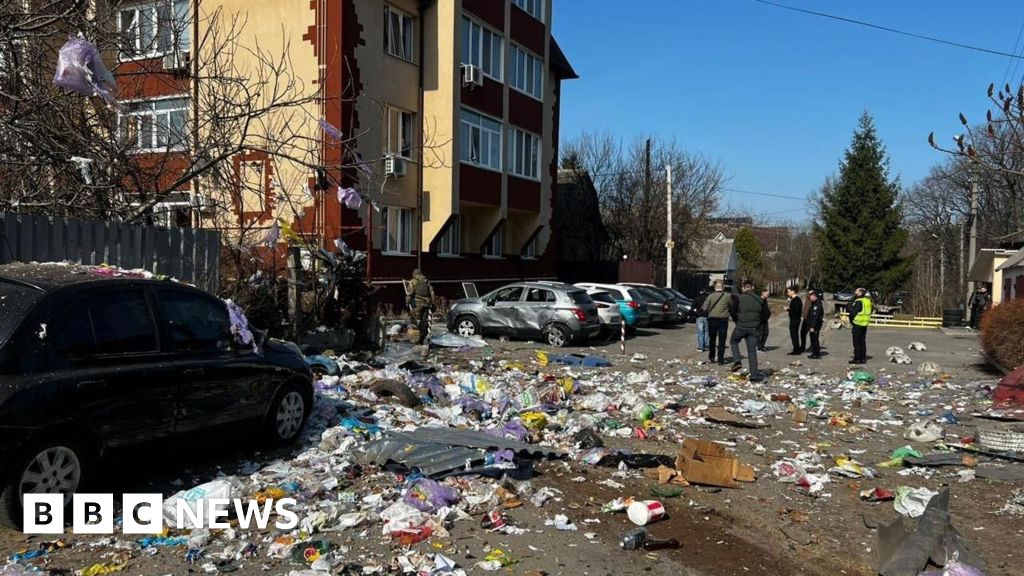

Global Security Alert: Suspect Claims Coercion in Bomb Plot Amid Rising Extremist Threats
Explosives Planted Under Duress, Suspect Claims
In a chilling revelation that underscores the evolving tactics of global extremist networks, a 21-year-old local resident has been detained after allegedly planting explosives under duress. The suspect claims he was blackmailed into carrying out the act, raising urgent questions about coercion tactics used by militant groups to recruit vulnerable individuals. Authorities are scrambling to determine whether this was an isolated incident or part of a broader pattern of forced recruitment—a growing concern for intelligence agencies worldwide.
The Incident: A Desperate Act or Wider Conspiracy?
According to preliminary investigations, the suspect was apprehended before the explosives could be detonated, averting a potential catastrophe. Security forces discovered the devices following an anonymous tip, highlighting the critical role of community vigilance in counterterrorism efforts. The young man, whose identity remains undisclosed for legal reasons, reportedly told interrogators that he had been threatened into compliance, though the exact nature of the blackmail remains unclear.
This case mirrors recent incidents in Europe and the Middle East, where extremist factions have increasingly exploited financial desperation, personal grievances, or familial pressure to coerce individuals into carrying out attacks. The method not only shields higher-ranking operatives but also complicates law enforcement efforts to track terror cells.
Global Context: Coercion as a Terror Tactic
Forced recruitment is not a new phenomenon, but its prevalence has surged in conflict zones and unstable regions. From ISIS’s use of child soldiers in Syria to far-right groups leveraging online radicalization, the exploitation of vulnerable individuals has become a hallmark of modern asymmetric warfare.
- Europe: In 2023, German authorities dismantled a cell that had blackmailed a mentally unstable individual into planning an attack.
- Middle East: ISIS and Al-Shabaab have long used extortion to conscript fighters, often threatening families.
- Africa: Boko Haram’s abduction of schoolgirls exemplifies how coercion fuels insurgencies.
This latest incident suggests that such tactics may be spreading beyond traditional conflict zones, posing a direct threat to urban centers and democracies.
Why This Matters: A Test for Global Security Frameworks
The case exposes critical vulnerabilities in counterterrorism strategies. If extremists can weaponize coercion, security agencies must adapt by:
- Enhancing community outreach to identify at-risk individuals before they are exploited.
- Strengthening cyber-monitoring to detect blackmail and grooming in encrypted channels.
- Improving psychological support systems for those vulnerable to manipulation.
Failure to address these gaps could lead to an uptick in attacks carried out by unwilling participants—a nightmare scenario for law enforcement.
The Human Cost: Beyond the Headlines
Behind the suspect’s arrest lies a troubling narrative of exploitation. Whether driven by fear, manipulation, or desperation, his alleged actions reflect a broader crisis: the weaponization of human fragility. Security experts warn that as socio-economic instability grows—fueled by inflation, migration crises, and political unrest—extremist groups will find more recruits among the disillusioned and desperate.
Conclusion: A Call for Vigilance and Adaptation
This incident serves as a stark reminder that terrorism is evolving. No longer solely the domain of ideologically committed militants, it now preys on the coerced and the cornered. Governments must pivot from reactive measures to proactive prevention, addressing root causes while dismantling networks that thrive on fear. In an era where a single blackmailed individual can become an unwitting weapon, global security depends not just on intelligence, but on humanity.
The world is watching—and the clock is ticking.
