


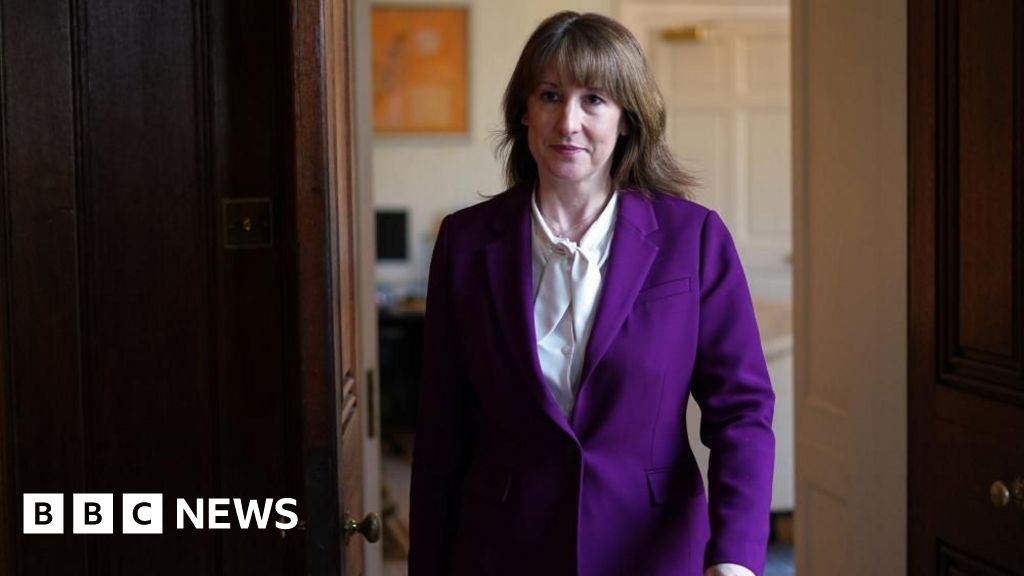

Chancellor Faces Urgent Economic Crisis as War in Iran Sends Shockwaves Through Global Markets
The chancellor is under mounting pressure to respond to the economic upheaval triggered by the escalating conflict in Iran, as global markets reel from surging oil prices, supply chain disruptions, and investor panic. The crisis, unfolding in real time, threatens to destabilize fragile post-pandemic recoveries and force governments into rapid fiscal interventions.
Immediate Economic Fallout
Within hours of the conflict erupting, Brent crude prices spiked by over 8%, reaching their highest level since the Ukraine war began. Energy analysts warn that prolonged instability in the Middle East—a region responsible for nearly a third of the world’s oil supply—could push prices above $120 a barrel, reigniting inflation fears. The chancellor’s office has been locked in emergency meetings with central bankers and industry leaders to mitigate the impact on fuel costs and consumer spending.
Stock markets across Europe and Asia tumbled, with the FTSE 100 and DAX both down more than 2% in early trading. Safe-haven assets like gold and the US dollar surged as investors fled volatile equities. “This is a textbook supply shock,” said one senior economist. “The timing couldn’t be worse—central banks were already grappling with stubborn inflation. Now they’re caught between supporting growth and preventing runaway prices.”
Supply Chain Threats
Beyond energy, the conflict risks severing critical trade routes. The Strait of Hormuz, a narrow passage through which 21 million barrels of oil pass daily, sits just miles from Iran’s coastline. Any disruption could strangle global trade, compounding existing delays from Red Sea shipping attacks earlier this year. Automakers, electronics producers, and chemical manufacturers are bracing for renewed shortages.
The chancellor is reportedly weighing emergency reserves releases and accelerated renewable energy investments to reduce reliance on Middle Eastern oil. However, experts caution that such measures take months to implement. “Band-Aid solutions won’t work here,” warned a trade policy advisor. “This exposes how fragile our just-in-time supply chains really are.”
Political and Diplomatic Strain
The crisis has also strained diplomatic ties. Western leaders, including the US president, have condemned Iran’s actions but stopped short of direct military involvement. Meanwhile, Russia and China have called for de-escalation, raising concerns over a fractured international response. The chancellor faces delicate balancing act: supporting allies without exacerbating economic pain at home.
Opposition leaders have seized on the turmoil, accusing the government of being “asleep at the wheel” on energy security. “Families are already struggling with high mortgages and food prices,” said the shadow treasury secretary. “The chancellor must act now—not when petrol hits £2 a litre.”
Long-Term Implications
If the conflict drags on, economists predict a worst-case scenario of stagflation—stagnant growth paired with rising prices—which could force interest rates higher for longer. Businesses are urging targeted aid for vulnerable sectors, while unions demand wage protections for workers.
For now, the chancellor’s priority is stabilizing markets and shielding households from immediate shocks. But with geopolitical tensions showing no sign of cooling, the real test will be crafting a strategy that withstands prolonged uncertainty. As one Whitehall insider put it: “This isn’t just about today’s crisis. It’s about preparing for a world where volatility is the new normal.”
The coming days will reveal whether temporary measures can hold the line—or if a fundamental rethink of economic resilience is needed.
