



Global Uranium Demand Surges Amid Energy Transition, Spotlight Shines on NexGen’s Rook Project
Houston, Texas – March 2024
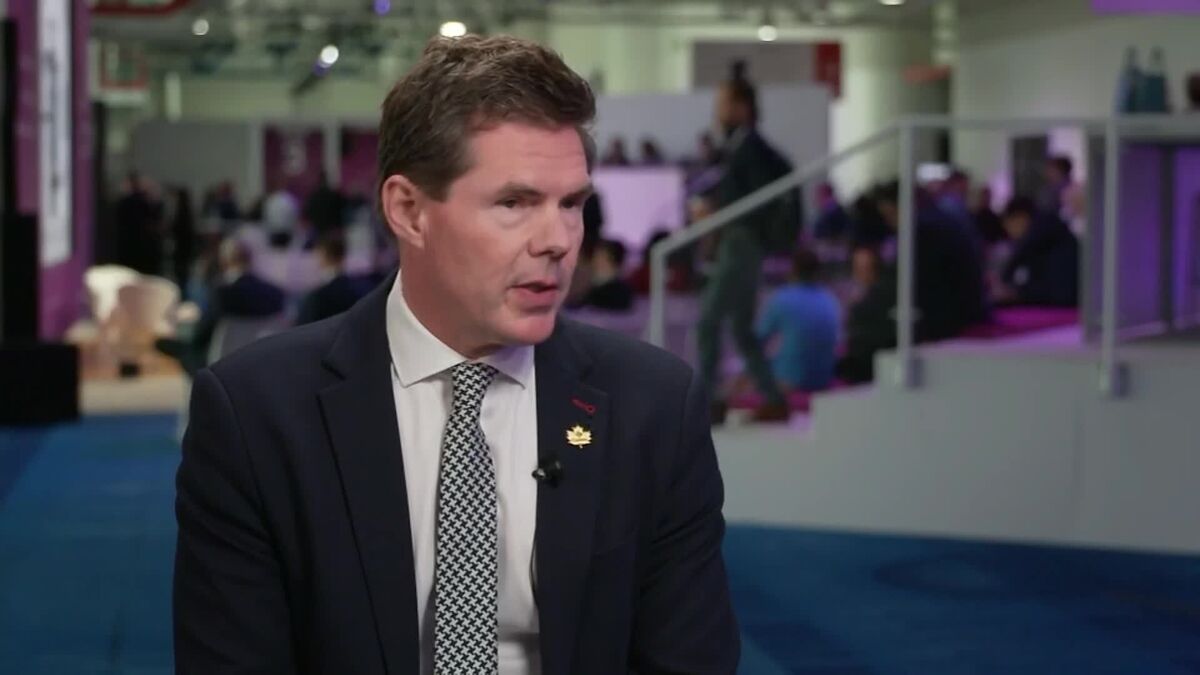
As nations worldwide accelerate their transition to cleaner energy sources, uranium—a critical component in nuclear power—has surged to the forefront of global energy discussions. This week at CERAWeek, one of the world’s premier energy conferences, industry leaders gathered to explore the growing demand for uranium and its implications for the energy sector. Among the key voices at the event was Grant Isaac, President and Chief Operating Officer of Cameco, one of the world’s largest uranium producers. In a high-profile discussion with Bloomberg’s Julie Fine, Isaac highlighted the rising significance of nuclear energy and the potential game-changing role of NexGen Energy’s Rook Project in Saskatchewan, Canada.
The global push for decarbonization has reignited interest in nuclear power as a reliable, low-carbon energy source. Unlike renewable energy technologies such as wind and solar, nuclear power provides baseload electricity—consistent and uninterrupted energy supply—making it a vital component of the energy transition. This renewed focus on nuclear energy has driven uranium prices to their highest levels in over a decade, sparking optimism among producers and investors alike.
Uranium Market Dynamics and Supply Constraints
The uranium market has undergone a remarkable transformation in recent years. After a prolonged period of low prices following the 2011 Fukushima disaster, which led to widespread nuclear plant shutdowns, the industry is now experiencing a resurgence. Isaac pointed out that global uranium demand is projected to rise significantly in the coming decades, driven by both the expansion of existing nuclear fleets and the construction of new reactors, particularly in Asia and Eastern Europe.
However, the supply side faces critical challenges. Years of underinvestment in uranium mining have left the industry ill-prepared to meet this growing demand. Cameco, which operates some of the world’s largest uranium mines, has been a beneficiary of this supply shortage, but Isaac emphasized that the industry as a whole must innovate and scale up production to avoid potential shortages.
Enter NexGen Energy and its Rook Project, a high-grade uranium deposit in Saskatchewan’s Athabasca Basin, widely regarded as one of the richest uranium regions globally. The project has generated considerable buzz due to its potential to produce uranium at costs significantly lower than the industry average.
The Rook Project: A Potential Game-Changer
NexGen’s Rook Project is poised to become a cornerstone of the global uranium supply chain. The deposit boasts exceptionally high-grade uranium ore, with some samples containing up to 20% uranium, compared to the global average of 0.1%. This remarkable concentration means that the project can produce uranium more efficiently and sustainably than most existing mines, reducing both costs and environmental impact.
Isaac praised the project during his CERAWeek discussion, noting that high-grade deposits like Rook are essential for meeting future demand while minimizing the carbon footprint of uranium production. “Projects like Rook represent the future of uranium mining,” he said. “They offer the potential to deliver clean, secure energy while addressing the environmental concerns associated with traditional mining practices.”
The Rook Project is also expected to benefit from Saskatchewan’s robust regulatory framework and infrastructure, which have long supported the province’s thriving mining sector. NexGen has already secured key permits and is advancing its plans to bring the project into production by the late 2020s.
Nuclear Energy’s Role in the Energy Transition
The resurgence of nuclear energy comes at a pivotal moment in the global energy transition. Governments and corporations worldwide are grappling with the dual challenges of reducing greenhouse gas emissions and ensuring energy security. Nuclear power, which produces negligible carbon emissions during operation, is increasingly seen as a complementary solution to intermittent renewable energy sources.
Isaac highlighted that nuclear energy’s role extends beyond electricity generation. Advanced nuclear technologies, such as small modular reactors (SMRs), are being developed to provide clean energy for industrial processes, hydrogen production, and even desalination. These innovations could further elevate uranium’s importance in the global energy mix.
However, the nuclear industry faces significant hurdles, including public perception, regulatory complexities, and high upfront costs. Isaac acknowledged these challenges but expressed optimism that increased investment and technological advancements will pave the way for nuclear energy’s broader adoption.
Global Implications and Future Outlook
The growing demand for uranium has far-reaching implications for global energy markets and geopolitics. Countries with significant uranium resources, such as Canada, Kazakhstan, and Australia, are poised to play a central role in shaping the future of nuclear energy. Conversely, nations reliant on imported uranium may seek to diversify their supply chains to enhance energy security.
Investors, too, are taking notice of uranium’s potential. The sector has seen a surge in interest from institutional investors and hedge funds, attracted by the prospect of rising prices and long-term demand. Cameco’s stock, for example, has experienced substantial gains in recent years, reflecting the broader optimism surrounding the industry.
Yet, the uranium market remains highly volatile, and its future will depend on a range of factors, including government policies, technological advancements, and public acceptance of nuclear energy. Isaac cautioned that sustained investment and collaboration among industry stakeholders will be critical to ensuring a stable and secure uranium supply.
A Balanced Close
As the world races to meet its climate goals, nuclear energy—and by extension, uranium—is likely to play an increasingly prominent role in the global energy transition. Projects like NexGen’s Rook Project exemplify the innovation and potential of the uranium sector, offering a glimpse into a cleaner, more sustainable energy future. Yet, as with any major technological shift, the path forward will require careful navigation of challenges and uncertainties. For now, the industry’s momentum is undeniable, and the spotlight on uranium shows no signs of dimming.
