


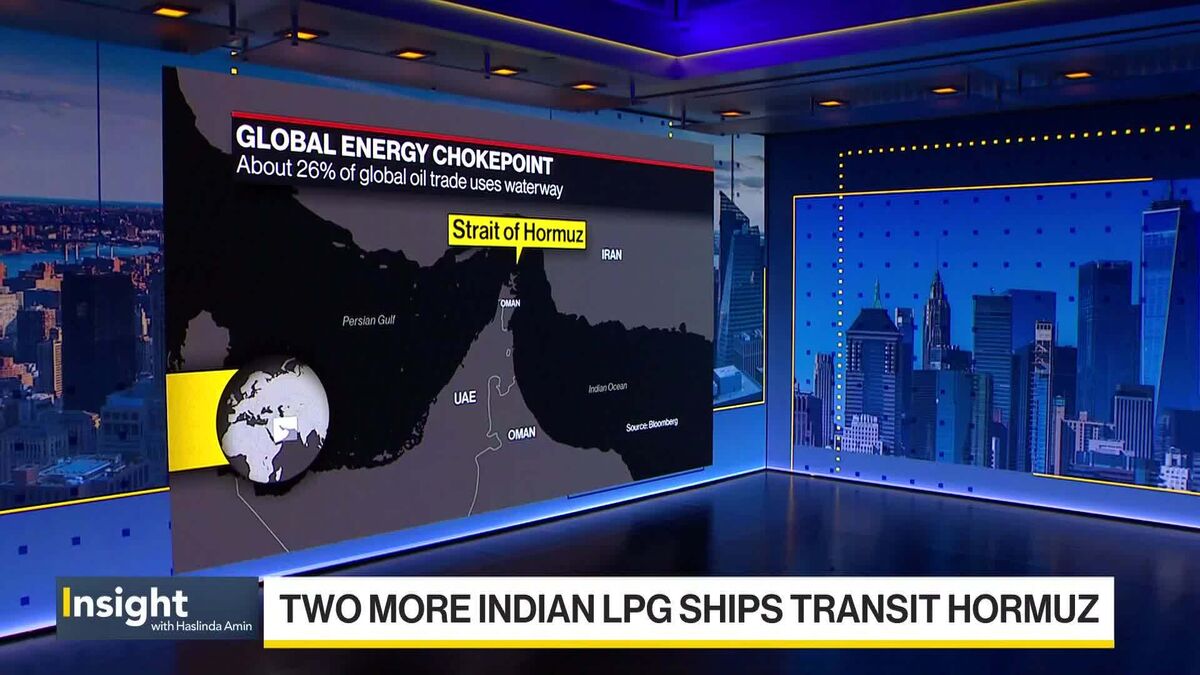

Indian-flagged Ships Navigate Strait of Hormuz Amid Heightened Regional Tensions
In a strategic move underscoring the fragile geopolitics of the Middle East, two Indian-flagged vessels carrying liquefied petroleum gas (LPG) are currently navigating the Strait of Hormuz, a critical maritime chokeline that has become a flashpoint for international tensions. According to ship-tracking data, the vessels are following a route approved by Iran, hugging the country’s coastline as they traverse the narrow waterway. This development comes amid ongoing concerns over regional security and the potential for escalating conflicts in the Persian Gulf.
The Strait of Hormuz, a narrow passage between the Arabian Peninsula and Iran, is one of the world’s most vital shipping lanes, facilitating the transit of nearly 20% of the global oil supply. Its strategic importance has made it a focal point for geopolitical maneuvering, particularly as tensions between Iran and Western nations have intensified in recent years. The passage has witnessed multiple incidents, including ship seizures, attacks on commercial vessels, and heightened military presence by both regional and global powers.
The two Indian-flagged ships, whose identities have not been disclosed, are transporting LPG, a crucial commodity used for heating, cooking, and industrial processes. Their decision to follow a route close to Iran’s coastline suggests a cautious approach aimed at minimizing risks. This route, approved by Tehran, appears to be part of a broader pattern of cooperation between Iran and India, two nations that have maintained significant economic and diplomatic ties despite the former’s isolation from much of the international community.
A History of Tensions in the Strait
The Strait of Hormuz has long been a hotspot for geopolitical friction. In recent years, Iran has repeatedly threatened to disrupt maritime traffic in retaliation for Western sanctions targeting its oil exports and nuclear program. The 2019 attacks on oil tankers in the Gulf of Oman and the seizure of British-flagged vessels by Iranian forces have heightened concerns over the safety of commercial shipping in the region.
The U.S. and its allies have responded by increasing their military presence in the area, deploying warships and conducting joint patrols to ensure the free flow of trade. Meanwhile, Iran has sought to assert its dominance over the strait, emphasizing its ability to control access to the Persian Gulf. Against this backdrop, the passage of Indian-flagged vessels through the strait takes on added significance, highlighting the delicate balancing act required by nations reliant on Middle Eastern energy supplies.
India’s Strategic Interests
India, the world’s third-largest energy consumer, relies heavily on imports of oil and gas to fuel its rapidly growing economy. A significant portion of these imports passes through the Strait of Hormuz, making the security of the waterway a critical concern for Indian policymakers. Relations between India and Iran have historically been cordial, with India investing in Iranian infrastructure projects such as the Chabahar Port, which provides access to Central Asia and Afghanistan.
However, India has also sought to maintain strong ties with the U.S. and its Gulf allies, such as Saudi Arabia and the United Arab Emirates (UAE), which are major suppliers of oil to the South Asian nation. This dual approach reflects India’s broader strategy of pursuing mutually beneficial relationships with all parties while avoiding entanglement in regional conflicts.
The decision by Indian-flagged vessels to follow an Iran-approved route may also be influenced by the need to ensure uninterrupted energy supplies. By aligning with Iran’s maritime guidelines, India may be seeking to mitigate the risk of ship seizures or other disruptions that could impact its energy security. This pragmatic approach underscores the complexities of navigating the geopolitical landscape of the Middle East.
Global Implications
The passage of these vessels through the Strait of Hormuz also has broader implications for global trade and energy security. Any disruption in the strait could send shock waves through the global economy, driving up energy prices and exacerbating inflationary pressures. The continued reliance on this narrow waterway underscores the vulnerability of global supply chains to regional instability.
Efforts to diversify trade routes, such as the development of alternative pipelines and shipping corridors, have so far failed to reduce dependence on the Strait of Hormuz. This leaves the global economy exposed to the risks posed by geopolitical tensions in the region. For major energy importers like India, China, and Japan, ensuring the security of maritime routes remains a top priority.
A Delicate Balancing Act
The situation in the Strait of Hormuz is emblematic of the broader challenges facing the international community in managing regional conflicts and safeguarding global trade. While Iran’s approval of shipping routes signals a willingness to cooperate with certain nations, it also underscores the country’s ability to exert influence over a critical artery of global commerce.
For India, the transit of its vessels through the strait highlights the importance of maintaining diplomatic flexibility and navigating the competing interests of regional and global powers. As tensions in the Middle East show no signs of abating, the need for careful diplomacy and international cooperation will only grow.
The journey of these two Indian-flagged ships serves as a reminder of the interconnectedness of global trade and the vulnerabilities inherent in relying on critical chokepoints. While the immediate focus remains on ensuring their safe passage, the broader challenge lies in addressing the underlying tensions that threaten the stability of the region and the global economy.
As the vessels continue their journey, the world will be watching closely, mindful of the delicate balance that underpins the flow of energy and commerce through one of the world’s most contested waterways. In a region where every move carries geopolitical weight, the stakes could hardly be higher.
