


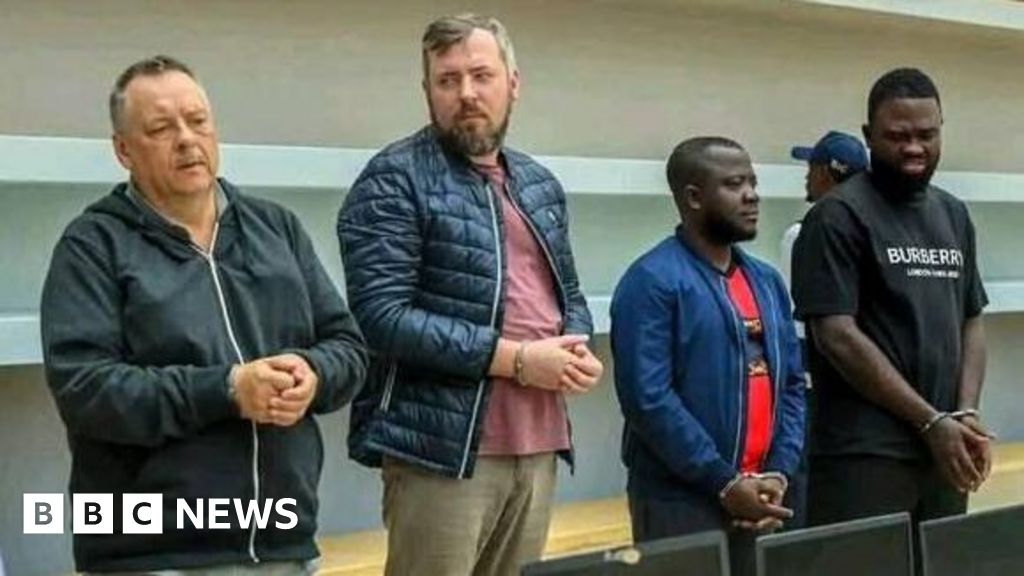

Angola Detains Russians and Angolans Amid Allegations of Protest Incitement
A High-Stakes Trial Begins in Luanda
LUANDA, Angola — In a case that has drawn international scrutiny, a group of Russian and Angolan nationals are facing trial in Angola, accused of orchestrating anti-government protests. The defendants, whose identities have not been fully disclosed, deny the charges, claiming they are politically motivated. The trial comes at a tense moment for Angola, a key African oil producer grappling with economic instability and growing public discontent.
The arrests highlight Angola’s increasingly hardline stance against dissent, raising concerns among human rights groups about the erosion of civil liberties. Meanwhile, the involvement of Russian nationals adds a geopolitical dimension, as Moscow seeks to expand its influence in Africa amid escalating tensions with the West.
The Charges and the Defendants
Authorities allege that the group—comprising both Russian expatriates and local Angolans—played a central role in organizing unauthorized demonstrations aimed at destabilizing the government. While specifics of the alleged plot remain unclear, prosecutors claim the defendants used social media and underground networks to mobilize protesters.
The Russian embassy in Angola has not issued an official statement, but sources suggest diplomatic tensions may be brewing. If convicted, the accused could face lengthy prison sentences under Angola’s strict anti-subversion laws.
Angola’s Crackdown on Dissent
Angola, under President João Lourenço, has taken a firmer approach to opposition movements in recent years. Once hailed for transitioning from decades of authoritarian rule under José Eduardo dos Santos, the country now faces criticism for suppressing free speech.
The government has justified its actions by citing national security threats, particularly after a series of protests over rising fuel prices and unemployment turned violent in 2023. Analysts warn that the current trial could signal a broader campaign to silence critics ahead of the 2027 elections.
Russia’s Growing Footprint in Africa
The case also underscores Russia’s deepening involvement in African affairs. Since the invasion of Ukraine, Moscow has intensified efforts to strengthen alliances in resource-rich nations like Angola, offering military cooperation, energy deals, and political support to governments facing Western pressure.
Experts suggest that if the detained Russians are linked to Kremlin-backed entities, the trial could strain Angola’s delicate balancing act between East and West. The country has traditionally maintained ties with both Russia and Western nations, but this incident may force Luanda to choose sides.
Why This Matters Globally
- Human Rights Concerns – The trial raises questions about due process and freedom of assembly in Angola, a nation still recovering from decades of civil war.
- Geopolitical Implications – With Russia and the West vying for influence in Africa, Angola’s handling of the case could shape future foreign relations.
- Economic Stability – As a major oil exporter, Angola’s political climate affects global energy markets. Any unrest could disrupt supply chains.
International Reactions
Human Rights Watch has called for transparency in the legal proceedings, warning against politically motivated prosecutions. Meanwhile, Western diplomats are closely monitoring the situation, wary of Russia’s expanding role in the region.
What Happens Next?
The trial is expected to unfold over the coming weeks, with potential ramifications beyond Angola’s borders. If the defendants are found guilty, it may embolden other African governments to take harsher measures against dissent. Conversely, an acquittal could weaken the ruling party’s grip on power, sparking further unrest.
A Test of Angola’s Democracy
As the world watches, this case will serve as a litmus test for Angola’s commitment to justice and transparency. The outcome could either reinforce authoritarian tendencies or mark a turning point toward greater political openness. Either way, the stakes could not be higher—for Angola, for Russia, and for the future of democracy in Africa.
—End Report—
