


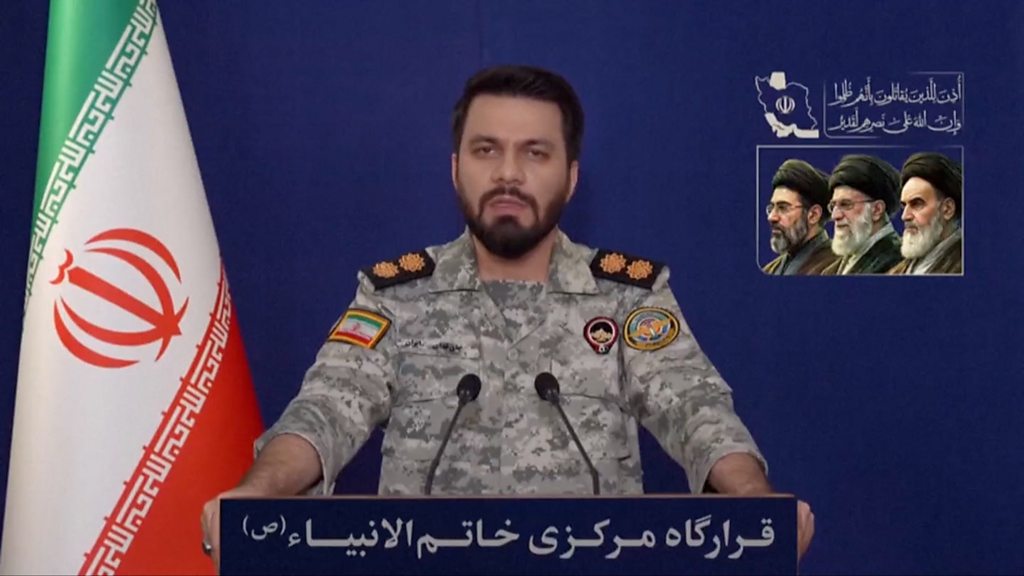

Iran Rebukes US Claims of Peace Talks as Tensions Escalate
A Defiant Response to Diplomatic Overtures
In a sharply worded statement, Iran has dismissed US President Donald Trump’s claims of ongoing peace negotiations, framing Washington’s overtures as disingenuous and self-serving. The rebuke, issued by Ebrahim Zolfaghari, spokesperson for Iran’s Khatam al-Anbiya Central Headquarters, did not explicitly name Trump but derided “the self-proclaimed global superpower” for portraying diplomatic engagement as a concession rather than a necessity. The exchange underscores the deepening mistrust between the two nations, raising concerns over whether dialogue can prevail amid escalating rhetoric and geopolitical brinkmanship.
The US Proposal and Iran’s Rejection
The latest friction stems from President Trump’s announcement that he had sent a 15-point peace plan to Tehran, accompanied by claims of high-level discussions with Iranian officials. Trump described Iran’s response as a “very big present worth a tremendous amount of money,” though details of the proposal remain undisclosed. Iran’s military command swiftly countered, accusing the US of misrepresenting its position and warning against interpreting reluctance as weakness.
The Iranian statement emphasized that any negotiations must be grounded in mutual respect, rejecting what it perceives as coercive diplomacy. “Do not call your defeat an agreement,” the message declared, signaling Tehran’s unwillingness to engage under perceived duress.
Global Implications of Stalled Diplomacy
The standoff has far-reaching consequences beyond bilateral tensions. The Middle East remains a tinderbox, with proxy conflicts in Yemen, Syria, and Iraq exacerbating regional instability. A breakdown in US-Iran talks risks further military confrontations, potentially dragging in global powers such as Russia and China, both of which have vested interests in Iran’s strategic partnerships.
Moreover, the dispute threatens to derail efforts to revive the 2015 Joint Comprehensive Plan of Action (JCPOA), which the US abandoned in 2018. European allies, along with the UN, have urged restraint, fearing that failed diplomacy could trigger renewed nuclear proliferation or economic warfare through sanctions.
Why This Matters to the World
The US-Iran rivalry is not merely a regional issue—it is a litmus test for global conflict resolution. Should talks collapse, the consequences could include:
- Energy Market Volatility: Iran is a major oil producer, and renewed sanctions or military clashes could disrupt global supply chains, driving up fuel prices.
- Nuclear Proliferation Risks: Without a diplomatic pathway, Iran may accelerate its nuclear program, prompting preemptive strikes or an arms race in the Middle East.
- Humanitarian Fallout: Stricter sanctions would worsen Iran’s economic crisis, deepening suffering for civilians already grappling with inflation and shortages.
A Path Forward or Further Escalation?
While both sides posture, the window for de-escalation remains narrow. Analysts suggest that backchannel negotiations may still be possible, but public rhetoric from both capitals suggests hardening positions. The Biden administration, set to take office in January, faces the challenge of recalibrating US policy—whether to maintain Trump’s maximum-pressure campaign or seek renewed engagement.
For now, the world watches cautiously. The alternative—unchecked hostility—could ignite a conflict with consequences far beyond the Persian Gulf.
Conclusion: Diplomacy on the Brink
As Iran and the US exchange barbs, the stakes could not be higher. The failure of dialogue risks not just another regional flare-up but a broader destabilization of international security frameworks. In an era where great-power competition is intensifying, the ability—or inability—to resolve such disputes peacefully will define the global order for years to come. The world must now wait to see whether cooler heads will prevail or if the path to confrontation remains unchecked.
