



A Ceasefire Dilemma: Iran’s Youth Grapple with War, Peace, and Political Survival
Tehran, Iran – The streets of Tehran hum with tension as the specter of war looms over the nation. For Kiana, a young woman in her 20s, the conflict has been a relentless nightmare. Like many Iranians, she has longed for peace—but now, as whispers of a ceasefire swirl through the capital, she finds herself torn. A deal that ends the bloodshed could also entrench the very leaders she blames for Iran’s crises. “I want the fighting to stop,” she says, “but at what cost?”
The Stakes of a Fragile Truce
For months, Iran has been embroiled in a devastating conflict, one that has drawn in regional powers and global players alike. The war has strained an already fragile economy, displaced thousands, and left civilians caught in the crossfire. Now, diplomatic efforts are intensifying to broker a ceasefire—one that could stabilize the region but also solidify the grip of Iran’s hardline leadership.
The potential deal has sparked fierce debate inside and outside Iran. While Western governments push for de-escalation, human rights advocates warn that an agreement without political reforms could leave ordinary Iranians, particularly women and youth, facing continued repression. Kiana’s dilemma reflects a broader struggle: the desperate need for peace versus the fear of perpetuating a system many see as broken.
Global Implications of Iran’s Crisis
Iran’s conflict is not an isolated crisis. The nation sits at the heart of a volatile geopolitical chessboard, with its alliances and adversaries shaping security dynamics across the Middle East and beyond. A prolonged war risks further destabilizing neighboring countries, disrupting global energy markets, and escalating tensions between world powers.
The U.S. and European Union have cautiously supported ceasefire talks, wary of another protracted conflict in the region. Meanwhile, Russia and China have leveraged the crisis to expand their influence, offering diplomatic cover for Tehran while challenging Western dominance. For global security analysts, Iran’s fate is a litmus test—will diplomacy prevail, or will the war spiral into a wider confrontation?
A Generation’s Frustration Boils Over
Kiana’s generation has known little but turmoil. Years of economic sanctions, political crackdowns, and now war have left many young Iranians disillusioned. The 2022-2023 protests, led largely by women demanding basic freedoms, were brutally suppressed. Now, with the war raging, even those who once dreamed of reform are exhausted.
“If the ceasefire means we stay trapped under the same rulers, what’s the point?” Kiana asks. Her sentiment echoes across Iran’s cities, where many fear that a truce without accountability will only delay another explosion of unrest. Activists warn that without addressing the root causes of discontent—corruption, repression, and economic despair—any peace will be fragile.
The Human Toll of War and Diplomacy
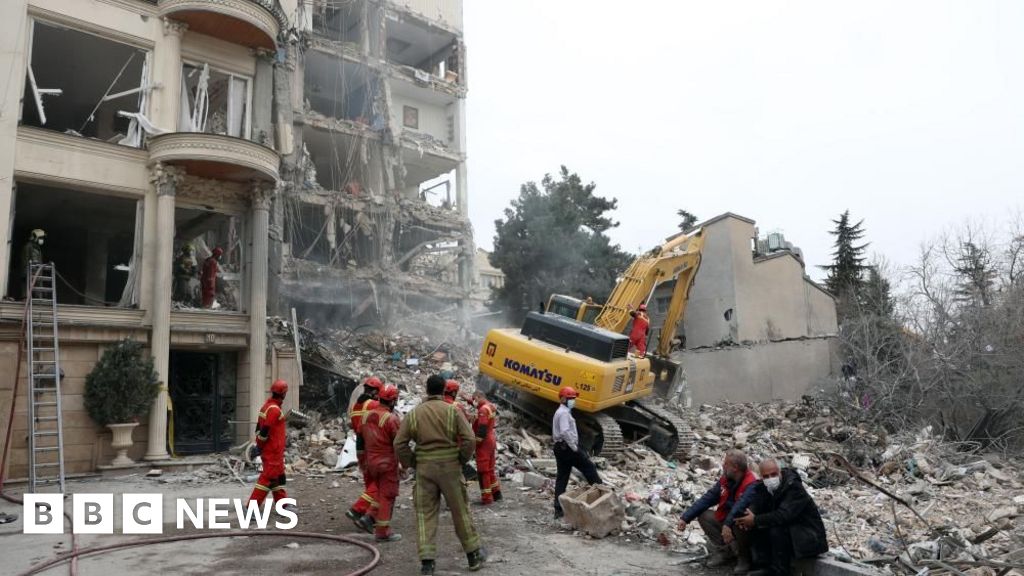
Beyond the political calculations, the war’s human cost is staggering. Civilian casualties mount daily, hospitals are overwhelmed, and shortages of food and medicine grow more severe. Refugees fleeing the violence strain neighboring countries already struggling with their own crises.
For families like Kiana’s, the ceasefire offers a glimmer of hope—but also uncertainty. “We just want to live without fear,” she says. Yet, like millions of Iranians, she wonders if peace will come with a price too high to bear.
A World Watching and Waiting
As negotiators scramble to finalize terms, the international community holds its breath. A successful ceasefire could avert a wider war, but a flawed deal risks igniting fresh unrest. For global leaders, the challenge is balancing immediate security concerns with long-term stability.
For Kiana and her peers, the stakes are even more personal. “We deserve more than just survival,” she says. “We deserve a future.”
As the sun sets over Tehran, the city braces for what comes next—peace, more war, or something in between. Whatever the outcome, the choices made in the coming days will reverberate far beyond Iran’s borders, shaping the fate of a nation and the security of the world.
