



A Mystery “Gift” from Iran: What Lies Behind Trump’s Latest Claims?
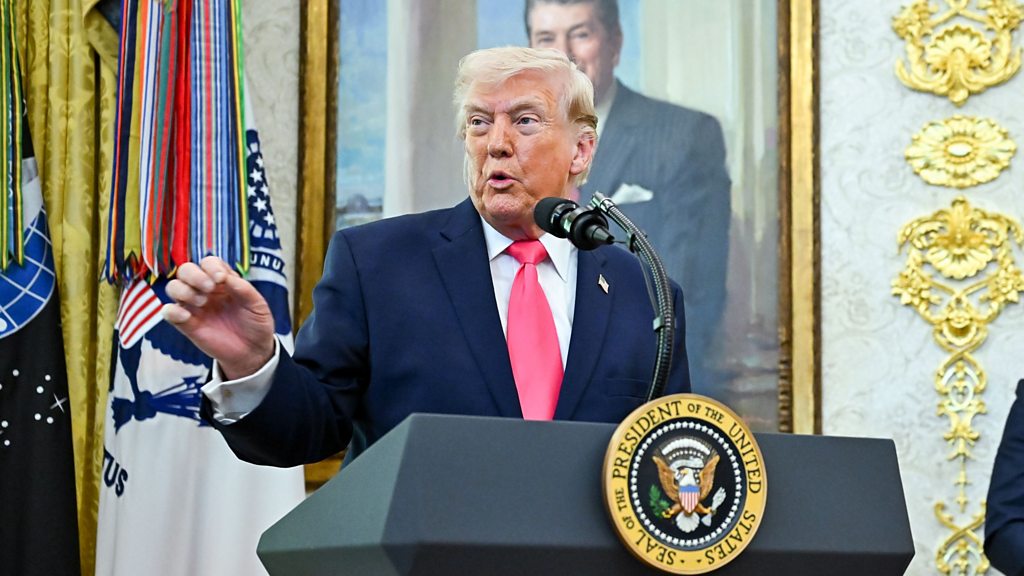
The geopolitical chessboard between the United States and Iran has taken another dramatic turn, with President Donald Trump asserting that Iran has offered the U.S. a “very big present” tied to oil, gas, and the strategic Strait of Hormuz. Trump’s cryptic remarks, made on Tuesday, have ignited a flurry of speculation and analysis worldwide, leaving experts and policymakers scrambling to decipher their implications. Against the backdrop of escalating tensions, failed negotiations, and a fragile global energy market, this development raises urgent questions about the future of U.S.-Iran relations and its ripple effects on international security.
The Context: A Decades-Long Standoff
The U.S. and Iran have been locked in a tense standoff for decades, marked by periods of confrontation, limited diplomacy, and sanctions. The 2015 Joint Comprehensive Plan of Action (JCPOA), commonly known as the Iran nuclear deal, was a landmark agreement aimed at curbing Iran’s nuclear program in exchange for sanctions relief. However, the Trump administration’s withdrawal from the deal in 2018 reignited tensions, leading to a series of retaliatory measures, including sanctions, military escalations, and attacks on critical infrastructure.
The Strait of Hormuz, a narrow waterway through which approximately 20% of the world’s oil passes, has become a flashpoint in this conflict. Iran has repeatedly threatened to disrupt the strait’s navigation in response to U.S. sanctions, raising fears of a global energy crisis. Against this volatile backdrop, Trump’s claim of a “significant prize” from Iran has added another layer of complexity to an already precarious situation.
The Mystery “Gift”: What Could It Be?
Trump offered few details about the nature of the “present,” leaving analysts to speculate on its potential significance. Given the reference to oil, gas, and the Strait of Hormuz, several possibilities emerge. One theory is that Iran may have signaled a willingness to negotiate concessions related to its energy exports or maritime security. Another interpretation suggests that Iran could be offering assurances of stability in the strait, a move that would alleviate global fears of supply disruptions.
However, skepticism abounds. Critics argue that Trump’s vague statements could be a strategic ploy to project an image of diplomatic progress ahead of the U.S. presidential election in November. Others warn that without concrete details, the claim risks further destabilizing an already fragile relationship. Tehran has yet to comment on Trump’s remarks, adding to the ambiguity surrounding the situation.
Why It Matters Globally
The implications of this development extend far beyond bilateral U.S.-Iran relations. The Strait of Hormuz is a critical artery for global energy supplies, and any disruption could send shockwaves through the world economy. Oil prices, already volatile due to the COVID-19 pandemic and economic uncertainty, could skyrocket, threatening the recovery of nations heavily reliant on energy imports.
Moreover, the U.S.-Iran conflict has broader ramifications for regional and global security. The Middle East is already grappling with multiple crises, from the war in Yemen to the instability in Iraq and Syria. A potential escalation between the U.S. and Iran could exacerbate these challenges, drawing in other global powers and destabilizing the region further.
Additionally, this development comes at a time of shifting geopolitical alliances. With the U.S. increasingly focused on strategic competition with China and Russia, its ability to manage conflicts in the Middle East is under strain. Any misstep in the U.S.-Iran relationship could have cascading effects on America’s global standing and its ability to shape international norms.
The Road Ahead: Diplomacy or Escalation?
The path forward remains uncertain. While Trump’s remarks suggest a possible thaw in relations, the lack of specificity raises concerns about the sincerity and feasibility of any potential deal. Past negotiations have been fraught with mistrust, and the current political climate—both in the U.S. and Iran—offers little room for compromise.
For Iran, domestic pressures and economic hardships caused by U.S. sanctions may incentivize diplomacy. However, Tehran has historically resisted what it perceives as coercive tactics, making any concessions unlikely without mutual goodwill. On the U.S. side, Trump’s administration faces its own challenges, including a polarized domestic environment and skepticism from allies about its approach to Iran.
Conclusion: A Pivotal Moment in Global Security
Trump’s cryptic revelation about a “very big present” from Iran has thrust the fraught U.S.-Iran relationship back into the global spotlight. While the details remain shrouded in mystery, the stakes could not be higher. From the stability of the Strait of Hormuz to the fragility of the global economy, the outcome of this latest development will reverberate far beyond the two nations involved.
As the world watches and waits, one thing is clear: this is a pivotal moment in the ongoing saga of U.S.-Iran relations. Whether it leads to renewed diplomacy or further escalation will shape the future of global security—and the lives of millions—for years to come. The international community must navigate this delicate juncture with caution, recognizing that the consequences of missteps could be catastrophic.
