



Government Offers Financial Relief and Expanded Training to Address Doctor Shortages
The government has announced a new initiative to alleviate financial burdens on resident doctors while expanding training opportunities to combat a growing workforce shortage in the medical field. The plan includes covering out-of-pocket expenses, such as exam fees, and increasing the number of training posts to ensure smoother career progression for junior physicians.
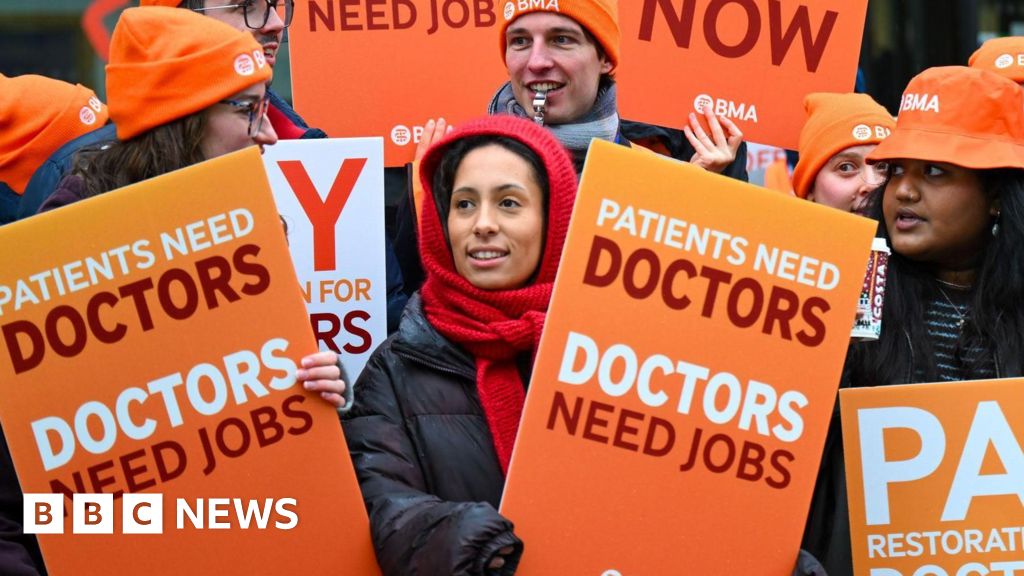
The move comes amid mounting pressure from medical associations, including the British Medical Association (BMA), which has long warned of a critical bottleneck in training placements. Many doctors face significant hurdles in advancing beyond the second year of residency due to limited positions, forcing some to pause their careers or seek opportunities abroad.
Financial Support and Expanded Training
Under the new proposal, the government will subsidize exam fees and other professional costs that often fall on trainees—a measure expected to ease financial strain and improve retention. Additionally, officials pledged to create more training posts, particularly in underserved specialties, to address the logjam in career progression.
The BMA has repeatedly highlighted the shortage of training spots as a key driver of workforce attrition. Without sufficient posts, many junior doctors are left in limbo after completing initial residency years, exacerbating staffing gaps in hospitals and clinics.
Why It Matters
The healthcare system has been grappling with chronic understaffing, leading to longer wait times and overburdened medical professionals. By removing financial barriers and expanding training capacity, the government aims to retain more doctors within the public system and stabilize the pipeline of new specialists.
Critics, however, argue that the plan may not go far enough. Some medical unions have called for broader reforms, including better pay and working conditions, to stem the tide of doctors leaving the profession.
Looking Ahead
If implemented effectively, the initiative could mark a turning point in addressing systemic workforce challenges. However, its success hinges on sustained funding and collaboration with medical institutions to ensure training posts align with regional needs.
For now, the announcement signals a recognition of the crisis—and a tentative step toward resolving it. The coming months will reveal whether these measures can stem the exodus of medical talent and shore up an overstretched healthcare system.
