


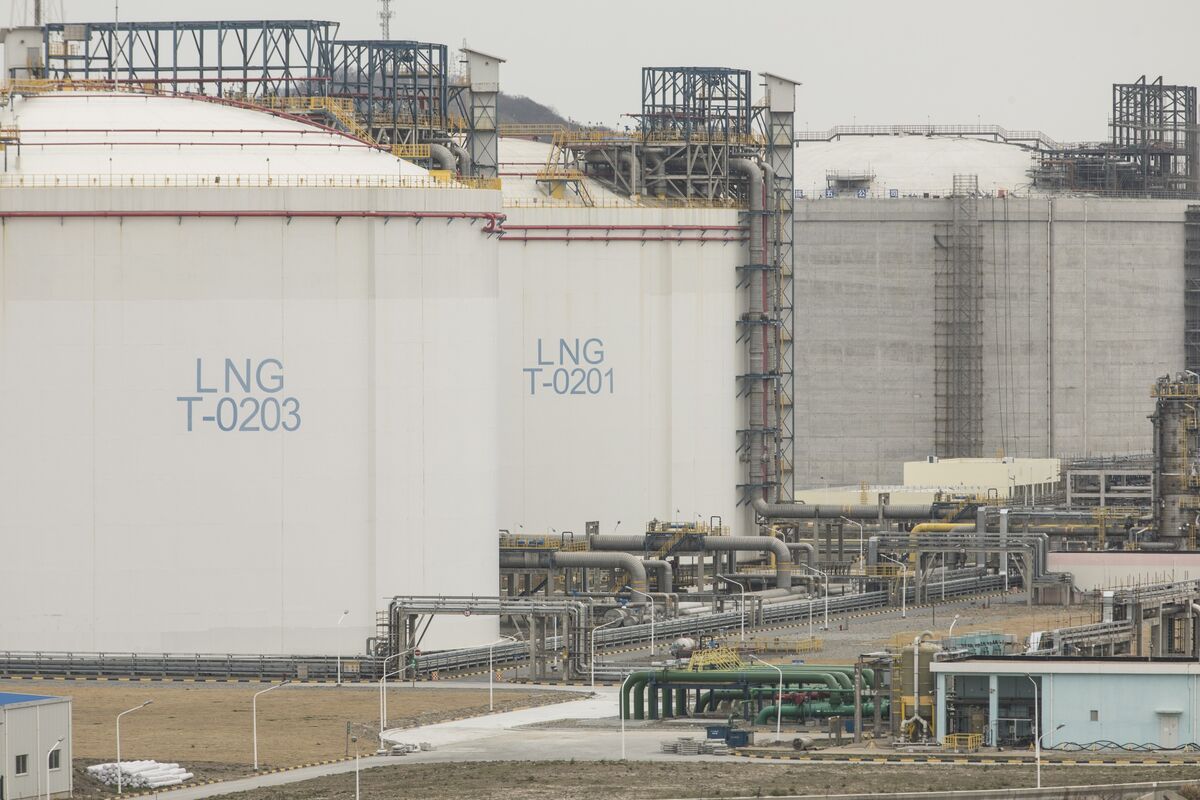

China’s LNG Imports Plummet to Historic Low Amid Global Price Surge and Middle East Turmoil
In a stark reversal of its energy import trends, China—the world’s largest buyer of liquefied natural gas (LNG)—is set to record its lowest monthly LNG imports since 2018, according to data from Kpler, a leading commodities analytics firm. The sharp decline, driven by a global price spike exacerbated by escalating tensions in the Middle East, underscores the fragility of global energy markets and the economic pressures facing one of the world’s largest economies.
As of mid-October, China’s LNG imports for the month are on track to plummet to levels not seen in nearly five years, marking a significant shift for a country that has long been a linchpin of global LNG demand. The dip in imports comes as global LNG prices have soared, fueled by heightened geopolitical instability in the Middle East and Europe’s ongoing scramble to secure gas supplies ahead of winter. For China, this price surge has made LNG less attractive compared to alternative energy sources, prompting a strategic pullback in purchases.
The Price Surge: A Perfect Storm of Geopolitics and Energy Demand
The current spike in LNG prices is rooted in a complex interplay of geopolitical and economic factors. The conflict in the Middle East, particularly the Israel-Hamas war, has amplified concerns about regional stability and its impact on energy supply chains. While the region is not a major LNG producer, the uncertainty has injected volatility into global energy markets, prompting traders and buyers to brace for potential disruptions.
Adding to the pressure is Europe’s intensified demand for LNG as it seeks to reduce its reliance on Russian pipeline gas following the invasion of Ukraine. European nations have been aggressively stockpiling gas reserves, driving up competition for available supplies and pushing prices to near-record levels. According to industry analysts, benchmark LNG prices in Asia have nearly doubled since June, reaching heights that are untenable for many buyers, including China.
China’s Energy Strategy: Balancing Cost and Supply
China’s pullback in LNG imports reflects a broader recalibration of its energy strategy in response to economic and environmental pressures. As the world’s second-largest economy grapples with slowing growth and a property market crisis, the Chinese government has prioritized cost-efficient energy solutions. High LNG prices have made coal and domestically produced natural gas more attractive options, particularly for industrial and residential users.
Additionally, China’s focus on renewable energy development has accelerated in recent years, reducing its dependence on imported fossil fuels. The country has made significant investments in wind, solar, and hydropower, aiming to meet its ambitious carbon neutrality targets by 2060. This shift toward cleaner energy sources has further diminished the role of LNG in China’s energy mix.
However, the sudden decline in LNG imports also highlights the challenges China faces in ensuring stable energy supplies during periods of global uncertainty. While the country has diversified its energy sources, it remains heavily reliant on imports to meet its gas needs, particularly during peak winter demand periods. Analysts warn that a prolonged reduction in LNG purchases could strain domestic supplies and exacerbate energy shortages in the coming months.
Global Implications: A Ripple Effect Across Markets
China’s reduced LNG imports have far-reaching implications for global energy markets. As the largest buyer of LNG, China’s purchasing patterns have a significant impact on supply-demand dynamics and price trends. The current downturn in imports has provided some relief to European buyers, who have faced intense competition for LNG supplies over the past year. However, the situation remains precarious, with prices still elevated and winter demand looming.
For major LNG exporters, including the United States, Australia, and Qatar, China’s pullback represents a potential loss of revenue and market share. These countries have invested heavily in expanding their LNG production capacities to meet growing global demand, particularly from Asia. A sustained decline in Chinese imports could force exporters to seek alternative markets or adjust their pricing strategies to remain competitive.
The Road Ahead: Navigating Uncertainty
Looking ahead, the trajectory of China’s LNG imports will hinge on several factors, including global price trends, geopolitical developments, and domestic economic conditions. While the current price spike has dampened demand, analysts suggest that China could ramp up purchases if prices stabilize or if domestic energy needs intensify during the winter months.
Moreover, the ongoing conflict in the Middle East remains a wildcard, with the potential to disrupt energy markets further. Any escalation in hostilities could lead to additional price volatility, forcing buyers like China to reassess their energy strategies on the fly.
In the longer term, China’s energy transition and its commitment to reducing carbon emissions will continue to shape its LNG consumption patterns. The country’s push toward renewable energy and energy efficiency measures is expected to gradually reduce its reliance on imported gas, creating new challenges and opportunities for global LNG markets.
Conclusion: A Delicate Balance in a Volatile Market
China’s steep decline in LNG imports serves as a stark reminder of the interconnectedness of global energy markets and the profound impact of geopolitical instability on supply and demand. As the world’s largest energy consumer navigates a complex landscape of economic pressures and environmental goals, its choices will reverberate far beyond its borders. For now, the global LNG market remains on edge, with buyers and exporters alike bracing for an uncertain winter and the ever-present specter of geopolitical turmoil.
As the energy landscape continues to evolve, one thing is clear: navigating this volatile market will require adaptability, foresight, and a keen understanding of the forces shaping the future of energy.
