


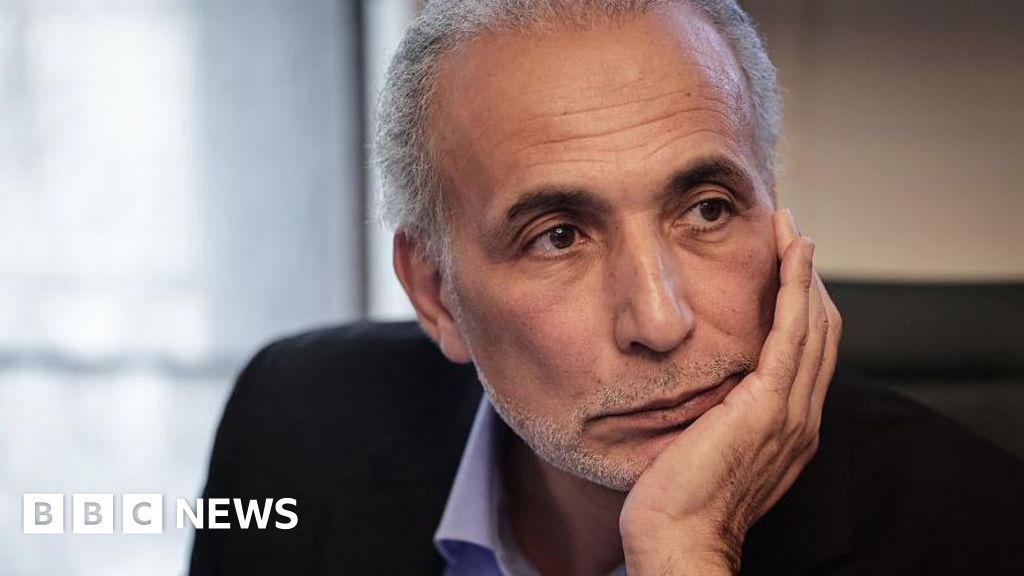

Renowned Scholar Tariq Ramadan Faces Trial Amid Health Concerns: A Case with Global Implications
In a courtroom drama that has captured international attention, Tariq Ramadan, the noted Islamic scholar and former Oxford professor, stands accused of charges that have sparked controversy across continents. Now 63 years old, Ramadan was notably absent from the trial on medical grounds, his legal team citing severe health complications. The case, unfolding against a backdrop of heightened tensions surrounding cultural and religious discourse, has drawn impassioned responses from supporters and critics alike. Beyond the courtroom, the trial raises profound questions about justice, accountability, and the intersection of faith and public life in an increasingly polarized world.
The Charges Against Ramadan
Tariq Ramadan faces allegations that date back several years, including accusations of sexual assault and misconduct. Multiple women have come forward with claims against the scholar, leading to a protracted legal battle that has spanned multiple jurisdictions. Ramadan has consistently denied these allegations, asserting his innocence and framing the charges as part of a broader campaign to discredit him and his intellectual work.
The trial, now in a critical phase, has been marked by delays and procedural complexities. Ramadan’s absence due to health issues has added another layer of intrigue, with his lawyers emphasizing the severity of his condition. Medical reports cited by his defense team suggest that he suffers from a chronic illness that prevents him from participating in the proceedings. This has led to debates about the fairness of continuing the trial in his absence and whether justice can be served under such circumstances.
Global Context and Background
Tariq Ramadan is no ordinary figure. The grandson of Hassan al-Banna, founder of the Muslim Brotherhood, Ramadan has long been a polarizing presence in global intellectual and religious circles. A prolific author and speaker, he has championed a nuanced interpretation of Islam, advocating for its compatibility with modernity while critiquing both Western imperialism and conservative Islamic practices. His academic credentials—including a tenure at Oxford University—have lent his voice significant weight, making him a key figure in debates about Islam in the West.
The trial comes at a time when discussions about sexual misconduct, particularly involving high-profile figures, dominate global headlines. From Hollywood to politics, societies worldwide are grappling with the complexities of #MeToo-era accountability. Ramadan’s case, however, is uniquely charged due to his status as a prominent Muslim intellectual. Critics argue that the charges against him must be taken seriously as part of a broader reckoning with abuse of power, while supporters contend that he has been unfairly targeted due to his religious and political views.
Why This Case Matters
The ramifications of Ramadan’s trial extend far beyond the courtroom. For many, it is a litmus test for how Western legal systems handle cases involving Muslim figures, particularly those who challenge mainstream narratives. The case has reignited debates about Islamophobia, cultural bias, and the politicization of justice. At the same time, it underscores the importance of addressing sexual misconduct allegations with rigor and impartiality, regardless of the accused’s status or beliefs.
Globally, Ramadan’s trial has sparked discussions about the role of intellectuals in shaping public discourse. His work has influenced millions, particularly young Muslims navigating their identities in multicultural societies. A conviction or acquittal could have profound implications for how his ideas are received and whether his legacy endures. Additionally, the trial has drawn attention to the challenges faced by individuals accused of serious crimes while grappling with health issues, raising ethical questions about the balance between justice and compassion.
Reactions from Around the World
The case has elicited a wide range of responses from across the globe. In Europe and North America, media coverage has been extensive, with outlets framing the trial through various lenses—some focusing on the allegations, others on Ramadan’s health, and still others on the broader cultural implications. In the Muslim-majority world, reactions have been equally diverse, with some viewing the case as an attack on a respected Islamic voice and others seeing it as an opportunity to address pervasive issues of gender inequality and abuse.
Human rights organizations have also weighed in, urging transparency and fairness in the trial process. Meanwhile, academic circles remain divided, with some colleagues rallying to Ramadan’s defense and others distancing themselves from the controversy. The polarized reactions underscore the deeply divisive nature of the case and its ability to provoke strong emotions on both sides.
A Trial Shrouded in Complexity
As the trial unfolds, it remains a complex and multifaceted legal saga. The absence of Ramadan due to health concerns has added a layer of uncertainty, prompting questions about how the proceedings will proceed. The court faces the daunting task of balancing the pursuit of justice with considerations of the defendant’s well-being, all while navigating the intense scrutiny of a global audience.
The case also highlights the challenges of addressing allegations against public figures in an era of rapid information dissemination. Social media has amplified the voices of both accusers and defenders, creating a charged atmosphere that complicates the pursuit of impartial justice.
Conclusion: A Case That Echoes Far Beyond the Courtroom
The trial of Tariq Ramadan is more than a legal proceeding; it is a defining moment in the global discourse on justice, accountability, and the role of religion in public life. As the world watches, the case forces us to confront difficult questions about bias, fairness, and the humanity of those caught in the crosshairs of controversy. Whatever the verdict, its impact will reverberate far beyond the courtroom, shaping conversations about faith, power, and justice for years to come.
In a world increasingly fractured by cultural and ideological divides, the Ramadan trial serves as a stark reminder of the complexities of navigating truth and justice in the modern age. It is a story that demands careful attention, nuanced understanding, and, above all, a commitment to upholding the principles of fairness and integrity that lie at the heart of any just society.
