



Global Oil Supply Faces Critical Disruption as Strait of Hormuz Tensions Escalate
In a stark warning to global energy markets, experts have revealed that tensions in the Strait of Hormuz, one of the world’s most critical maritime chokepoints, are causing a staggering loss of at least 10 million barrels of oil per day. This disruption, equivalent to roughly 10% of global daily oil production, threatens to exacerbate an already volatile energy landscape amid geopolitical uncertainties and shifting supply chains. As global economies grapple with inflation and the lingering effects of the COVID-19 pandemic, this latest development could push oil prices to new highs, further straining consumers and industries worldwide.
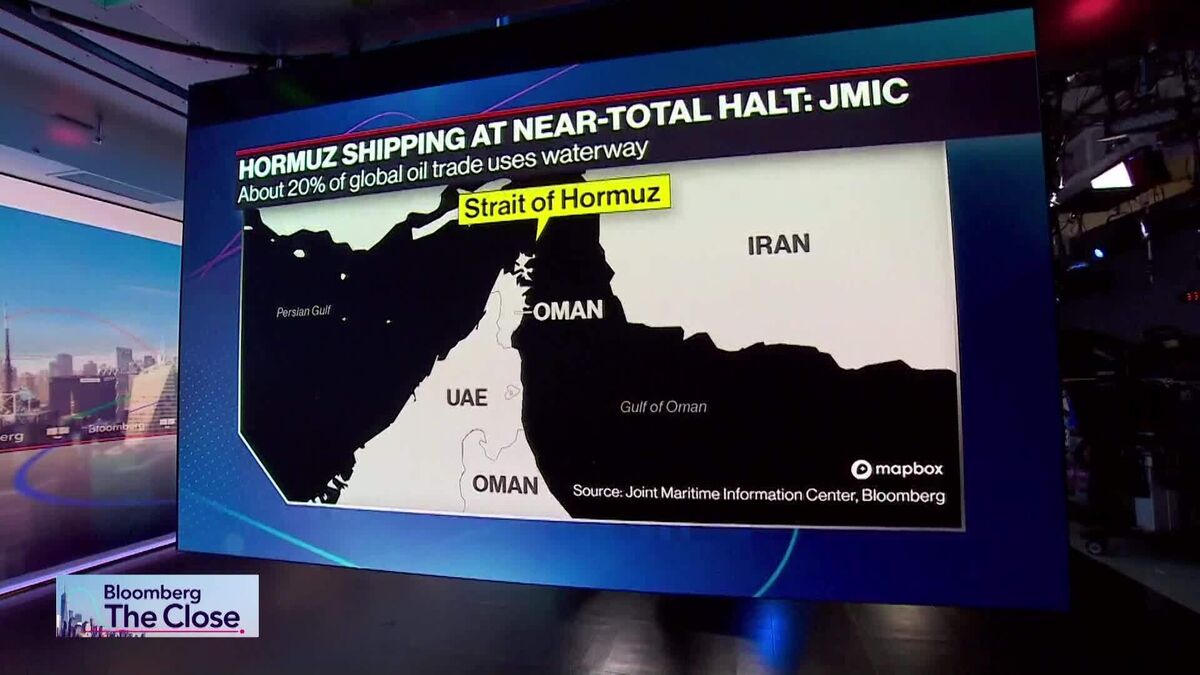
The Strait of Hormuz, a narrow waterway between the Persian Gulf and the Gulf of Oman, serves as a lifeline for global energy supplies, with approximately one-fifth of the world’s oil passing through it daily. The region has long been a flashpoint for geopolitical tensions, particularly between Iran and Western nations. Recent escalations, including threats of maritime blockades and military posturing, have heightened concerns about the security of oil shipments through the strait.
The Economic Implications of Disruption
Ed Morse, a seasoned commodities analyst and senior advisor at Hartree Partners, sounded the alarm during a recent appearance on Bloomberg The Close. Morse emphasized that the ongoing disruptions in the Strait of Hormuz are not merely a regional issue but a global crisis with far-reaching implications. “We’re witnessing a significant bottleneck in one of the most vital arteries of global trade,” Morse stated. “The loss of 10 million barrels per day is unprecedented and could have dire consequences for both oil prices and economic stability.”
The disruption comes at a particularly precarious time for global energy markets. Oil prices have already been volatile due to a combination of factors, including OPEC+ production cuts, increased demand as economies recover from the pandemic, and the ongoing conflict in Ukraine, which has reshaped energy flows worldwide. The potential loss of such a substantial volume of oil could send shockwaves through markets, driving prices even higher and fueling inflationary pressures.
For oil-importing nations, the situation poses a significant challenge. Countries heavily reliant on Middle Eastern oil, such as India, China, and much of Europe, could face supply shortages and increased costs. Consumers, already burdened by rising fuel prices, may see further hikes at the pump, while industries dependent on energy—such as manufacturing and transportation—could experience heightened operational costs.
Geopolitical Tensions at the Core
The Strait of Hormuz has long been a focal point of geopolitical tensions, particularly between Iran and the United States. Iran has repeatedly threatened to block the strait in response to sanctions and pressure from Western nations. In recent months, concerns have intensified following a series of incidents, including drone attacks on oil tankers and military standoffs. These actions have raised fears of a potential escalation that could sever the flow of oil entirely.
The situation is further complicated by the broader geopolitical landscape. The United States and its allies have sought to counter Iran’s influence in the region, while Iran has increasingly aligned itself with other oil-producing nations, including Russia and China. This alignment has added a new layer of complexity to the crisis, as global powers navigate a delicate balance between energy security and geopolitical strategy.
Potential Ramifications for Global Energy Markets
The disruption in the Strait of Hormuz underscores the fragility of global energy supply chains and the interconnectedness of modern economies. Analysts warn that prolonged disruptions could lead to a reconfiguration of global oil trade routes, with countries seeking alternative sources and suppliers. However, such a shift would take time and could exacerbate short-term supply constraints.
Renewable energy advocates have seized on the crisis as further evidence of the need to accelerate the transition away from fossil fuels. “This disruption highlights the risks of overdependence on oil and the urgent need to invest in sustainable energy solutions,” said Dr. Emily Carter, an energy policy expert at Princeton University. “While the transition won’t happen overnight, this crisis should serve as a wake-up call for governments and industries alike.”
Industry Response and Mitigation Efforts
In response to the crisis, oil companies and governments are exploring various strategies to mitigate the impact. Oil-producing nations, including members of OPEC+, have been urged to increase production to offset the loss of supply. However, such efforts face logistical and political challenges, particularly given the group’s recent commitment to production cuts aimed at stabilizing prices.
Shipping companies are also taking precautions, rerouting vessels and enhancing security measures to protect against potential threats. Insurance premiums for oil tankers navigating the strait have skyrocketed, adding to the costs of transporting oil and further contributing to price increases.
Meanwhile, governments are considering strategic reserve releases to alleviate supply shortages. The United States, which maintains a Strategic Petroleum Reserve, has previously used such measures to stabilize markets during crises. However, analysts caution that reserve releases are a short-term solution and cannot address the underlying structural issues driving the crisis.
Looking Ahead: A Fragile Balance
The situation in the Strait of Hormuz serves as a stark reminder of the interconnected nature of global energy markets and the profound impact of geopolitical tensions on economic stability. As nations grapple with the immediate challenges of supply shortages and rising prices, the crisis also underscores the need for long-term solutions, including investments in renewable energy and diversifying supply sources.
For now, the world watches anxiously as tensions in the Strait of Hormuz continue to simmer. The stakes are high, and the consequences of further escalation could be severe. As Ed Morse aptly noted, “This is not just an oil crisis; it’s a global economic crisis waiting to unfold.” In a world already navigating unprecedented challenges, the Strait of Hormuz remains a critical flashpoint—one that could tip the balance in an increasingly fragile global order.
The coming weeks will be pivotal, as diplomatic efforts and market responses play out against a backdrop of uncertainty. For now, the world remains on edge, hoping for resolution but preparing for the worst.
