


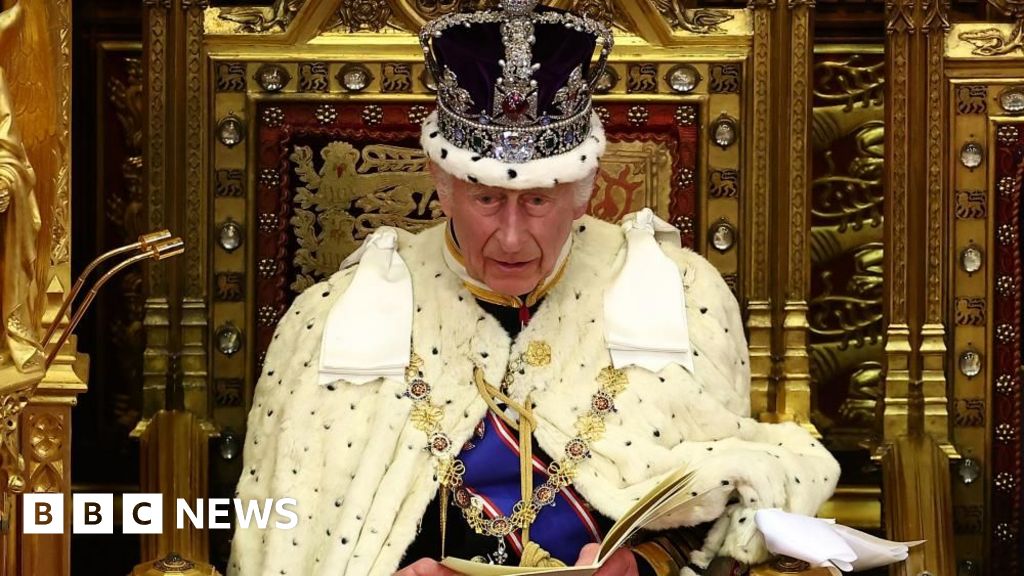

King Charles III to Unveil UK Government’s Legislative Agenda in Parliament
London, United Kingdom – King Charles III is set to attend Parliament this week to deliver the government’s legislative agenda, outlining key policies and priorities for the coming months. The ceremonial event, known as the King’s Speech, marks a pivotal moment in the UK’s political calendar, signaling the ruling administration’s roadmap on issues ranging from economic reforms to national security.
The speech, drafted by Prime Minister Rishi Sunak’s government, will detail proposed laws and initiatives expected to dominate parliamentary debates in the near future. As the first monarch to deliver the address since the death of Queen Elizabeth II, King Charles’s role underscores the continuity of Britain’s constitutional monarchy amid a period of economic uncertainty and shifting public expectations.
A Symbolic Moment for a New Reign
The King’s Speech is a tradition dating back centuries, formally opening each new session of Parliament. While the monarch delivers the address, its contents are entirely shaped by the sitting government. This year’s agenda is anticipated to focus on pressing domestic concerns, including inflation, healthcare, and energy security, as Sunak’s Conservative Party seeks to regain momentum ahead of a potential general election next year.
Observers will closely watch King Charles’s demeanor, as his reign continues to navigate the balance between ceremonial duty and public engagement. Unlike his mother, who maintained strict political neutrality, Charles has historically been more vocal on issues like climate change and social welfare—though he is expected to adhere closely to constitutional norms during the speech.
Key Policies on the Horizon
While the full details remain under wraps, insiders suggest the legislative package will include measures to bolster economic growth, streamline immigration processes, and reinforce national defense commitments. Housing reform, a critical issue for younger voters, may also feature prominently as the government attempts to address a chronic shortage of affordable homes.
Another likely focus is the UK’s transition to renewable energy, aligning with King Charles’s longstanding environmental advocacy. However, any proposals will face scrutiny from opposition parties, particularly the Labour Party, which currently leads in opinion polls. Labour leader Keir Starmer has already criticized the government for “lagging behind on key public services,” setting the stage for heated parliamentary clashes in the months ahead.
Why This Matters
The King’s Speech is more than a procedural formality—it sets the tone for national policy and signals the government’s priorities at a time of global instability. With the UK grappling with stagnant growth, labor strikes, and an aging population, the announced legislation could shape the country’s trajectory for years to come.
For King Charles, the event also carries personal significance. Having ascended the throne in 2022, he is still defining his role as sovereign. A smooth and dignified delivery will reinforce public confidence in the monarchy, while any misstep could fuel debates about its modern relevance.
What Comes Next?
Following the speech, MPs will debate its contents over several days, with opposition leaders seizing the opportunity to challenge the government’s direction. The political stakes are high: if Sunak’s agenda fails to resonate, it could hasten calls for an early election. Meanwhile, King Charles will return to his ceremonial duties, but his performance may linger in public discourse as a reflection of the monarchy’s evolving place in British society.
As the UK braces for another turbulent political season, all eyes will be on Parliament—not just for the policies announced, but for the symbolism of a new king stepping into an ancient role.
