



U.S. Escalates Iran Crisis: Troop Deployments and Mixed Signals Raise Global Tensions
A Dangerous Gamble in the Middle East
In a dramatic escalation of tensions with Iran, the U.S. has deployed additional troops to the Middle East while simultaneously presenting Tehran with a new peace proposal—a contradictory strategy that has left allies and adversaries alike questioning Washington’s endgame. The moves come amid heightened fears of a broader regional conflict, with the Pentagon reinforcing its military presence just hours after U.S. negotiators handed Iran a 15-point diplomatic roadmap. The conflicting signals—offering peace while threatening overwhelming force—have deepened uncertainty in a volatile standoff that could reshape global security.
Troop Movements and a Flurry of Diplomacy
On Tuesday, the Pentagon confirmed the deployment of additional ground forces to the Middle East, though exact numbers and locations remain undisclosed for operational security. The decision follows weeks of rising hostilities, including Iranian-backed militia attacks on U.S. bases in Iraq and Syria, as well as repeated threats from Tehran over its advancing nuclear program.
Simultaneously, U.S. officials delivered a new peace proposal to Iranian negotiators, outlining a 15-point framework aimed at de-escalation. The details remain confidential, but sources suggest it includes demands for Iran to halt uranium enrichment and cease support for regional militant groups. The dual approach—military pressure alongside diplomacy—mirrors past U.S. strategies but risks sending mixed messages at a critical moment.
Global Reactions: Allies Wary, Adversaries on Edge
The international response has been cautious. European diplomats, already strained by years of failed nuclear negotiations, privately express frustration over Washington’s unpredictable tactics. “We need clarity, not brinkmanship,” one EU official told reporters on condition of anonymity. Meanwhile, Russia and China have condemned the troop deployment as “provocative,” warning against further destabilization in the region.
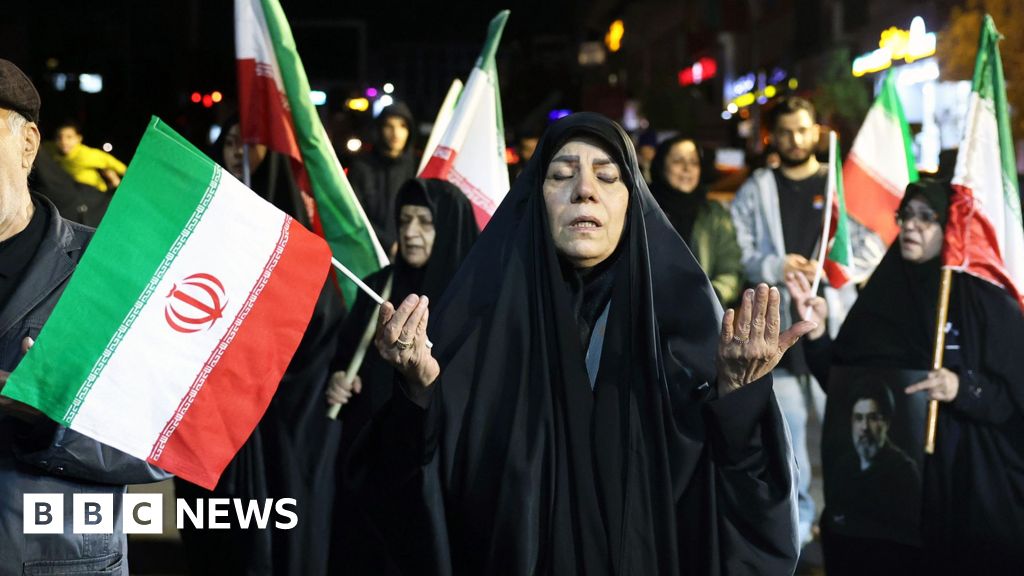
Within Iran, hardliners have seized on the U.S. moves as proof of American duplicity. “They offer talks with one hand and prepare for war with the other,” said a senior Iranian official in state media. The rhetoric suggests Tehran may reject the proposal outright, setting the stage for another dangerous cycle of escalation.
Why This Matters Beyond the Middle East
The crisis carries implications far beyond the Persian Gulf. A full-scale U.S.-Iran conflict could disrupt global oil supplies, sending shockwaves through energy markets already strained by the Ukraine war. It could also trigger proxy confrontations across the region, drawing in Israel, Saudi Arabia, and other key players.
For the U.S., the stakes are equally high. A failed diplomatic push could embolden Iran’s nuclear ambitions, while military action risks entangling Washington in another costly Middle Eastern war—a scenario the Biden administration has sought to avoid.
What Happens Next?
All eyes are now on Tehran’s response. If Iran dismisses the U.S. proposal, further sanctions or targeted strikes remain possible. Alternatively, a delay in negotiations could buy time for backchannel talks—though with troops mobilizing, the window for diplomacy is narrowing.
For now, the world watches nervously as two adversaries circle each other, one offering peace while preparing for war. The coming days will determine whether this is a calculated strategy or a perilous miscalculation—one that could ignite the next major global crisis.
A Fragile Line Between War and Peace
The U.S.-Iran standoff remains one of the most volatile flashpoints in international security. With military deployments accelerating and diplomacy hanging by a thread, the risk of unintended conflict grows by the day. Whether through dialogue or force, the outcome will reverberate far beyond the Middle East, testing the limits of global stability in an increasingly fractured world. The question now is not just what Iran will do—but whether either side can step back from the brink before it’s too late.
