


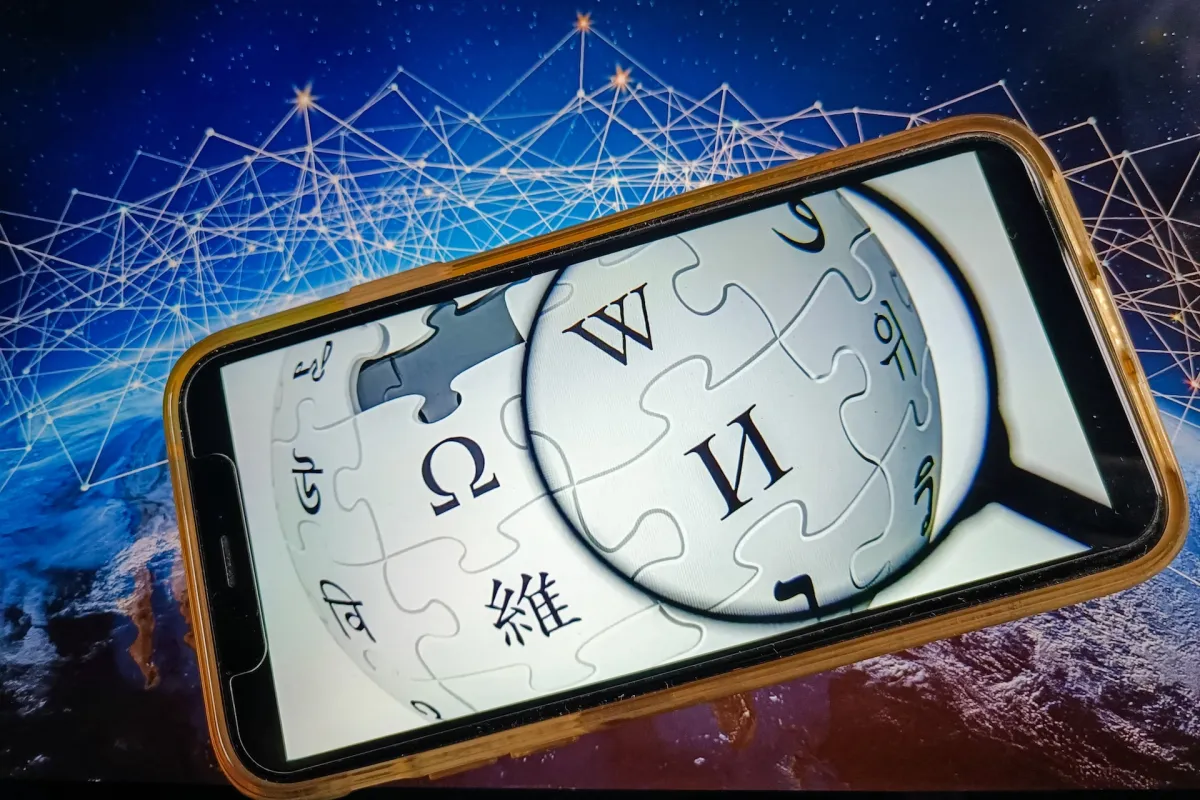

Wikipedia Bans AI-Generated Content in Major Policy Shift, Permits Limited Editorial Use
Global Online Encyclopedia Draws Line on AI Amid Accuracy Concerns
In a landmark decision that underscores growing tensions between artificial intelligence and human expertise, Wikipedia has banned the use of AI-generated text in its articles, marking one of the most significant policy shifts in the platform’s 23-year history. The new rule, ratified by a decisive vote among Wikipedia’s volunteer editors, prohibits the use of large language models (LLMs) like ChatGPT to create or rewrite content—though it stops short of an outright ban on AI tools in editorial processes.
The move reflects deepening skepticism within the Wikimedia community about AI’s reliability in preserving the accuracy and integrity of the world’s largest open-source encyclopedia. While AI can assist in minor copyediting tasks, Wikipedia’s updated policy emphasizes that human oversight remains indispensable in safeguarding factual correctness.
From Ambiguity to Clarity: Wikipedia’s Evolving AI Policy
The decision, formalized in a recent policy update, replaces earlier, more ambiguous guidelines that merely discouraged editors from using AI to generate articles from scratch. The new language is unequivocal:
“The use of LLMs to generate or rewrite article content is prohibited.”
However, the policy carves out a narrow exception for AI-assisted editing, permitting LLMs to suggest basic grammatical and stylistic improvements—provided human editors rigorously verify that the AI has not altered meaning or introduced unsupported claims.
“Editors are permitted to use LLMs to suggest basic copyedits to their own writing, and to incorporate some of them after human review, provided the LLM does not introduce content of its own,” the policy states. “Caution is required, because LLMs can go beyond what you ask of them and change the meaning of the text such that it is not supported by the sources cited.”
The updated stance emerged from a community vote, where Wikipedia’s decentralized network of editors overwhelmingly endorsed the restrictions—40 in favor, with only two dissenting. The lopsided result highlights broad consensus among contributors that unchecked AI integration risks eroding Wikipedia’s credibility.
Why Wikipedia Is Pushing Back Against AI
Wikipedia’s resistance to AI-generated content stems from fundamental concerns about accuracy, sourcing, and editorial accountability. Unlike traditional media outlets experimenting with AI-assisted journalism, Wikipedia operates on a radically open model where anyone can edit—making the potential for AI-driven misinformation particularly acute.
Key Concerns Driving the Ban:
-
Hallucinations and Fabrications
AI models like ChatGPT are notorious for “hallucinating”—generating plausible-sounding but entirely false information. For Wikipedia, where verifiability is sacrosanct, this poses an existential risk. -
Loss of Human Nuance
Wikipedia’s content relies on human judgment to interpret sources, balance perspectives, and maintain neutrality. AI lacks the contextual understanding to navigate complex editorial debates. -
Plagiarism and Copyright Issues
LLMs often regurgitate copyrighted material without attribution, exposing Wikipedia to legal liabilities. -
Erosion of Volunteer Trust
The platform thrives on collaborative human effort. Over-reliance on AI could alienate the volunteer base that sustains it.
“AI can be a useful tool, but it’s not a substitute for human expertise,” said a longtime Wikipedia editor who participated in the vote. “We’ve seen cases where AI subtly distorted facts or introduced bias—things that undermine Wikipedia’s mission.”
AI’s Role in Wikipedia: What’s Still Allowed?
Despite the ban on AI-generated text, Wikipedia acknowledges that AI has legitimate uses in supporting—not replacing—human editors. The policy explicitly permits:
- Grammar and Style Suggestions – AI can propose minor edits to improve readability, but human editors must confirm changes align with cited sources.
- Translation Assistance – AI may help translate content between languages, though accuracy must be manually verified.
- Research Aid – Editors can use AI to summarize sources, but original writing must remain human-driven.
This measured approach mirrors broader debates in journalism and academia, where AI is increasingly used as an assistant rather than an autonomous content creator.
Broader Implications for Media and Online Trust
Wikipedia’s decision arrives amid a global reckoning over AI’s role in information ecosystems. News organizations like The Guardian and Reuters have implemented strict AI guidelines, while academic publishers scramble to detect AI-generated research papers.
Experts say Wikipedia’s stance could influence other crowd-sourced platforms grappling with similar dilemmas.
“This isn’t just about Wikipedia—it’s about how we preserve trust in the digital age,” said Dr. Emily Bender, a computational linguist at the University of Washington. “When platforms prioritize convenience over accuracy, the consequences ripple across society.”
A Delicate Balance: Innovation vs. Integrity
Wikipedia’s policy reflects a cautious middle path—embracing AI’s potential while guarding against its pitfalls. The platform’s reliance on human judgment underscores a broader truth: in an era of synthetic media, human oversight remains irreplaceable.
As AI continues reshaping knowledge production, Wikipedia’s experiment may serve as a blueprint for others navigating the same crossroads. For now, the message is clear: AI may assist, but humans must still decide.
“The best technology doesn’t replace people—it empowers them,” said one Wikipedia contributor. “That’s a principle worth protecting.”
