



Global Fertilizer Shortage Sparks Fears of Food Crisis as War Disrupts Supply Chains
Governments worldwide are scrambling to secure essential fertilizer supplies as the escalating conflict in the Middle East disrupts global commodity flows, intensifying fears of a looming food crisis. The protracted war has exacerbated existing supply chain vulnerabilities, particularly in regions heavily reliant on imported fertilizers, such as sub-Saharan Africa and South Asia. With key shipping routes and production hubs under strain, agricultural experts warn that the shortage could trigger widespread crop yield reductions, threatening food security for millions.
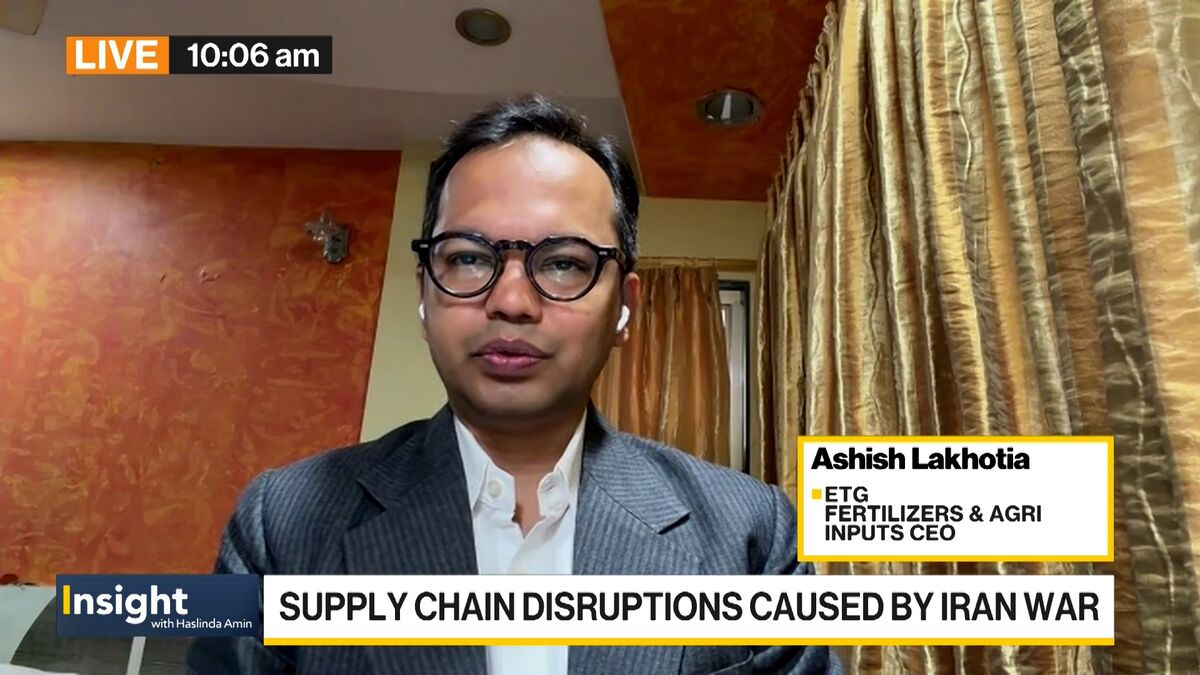
The crisis underscores the intricate link between geopolitics and global agriculture, with fertilizers—critical for crop production—now at the center of a geopolitical storm. According to ETG, a global agricultural supply chain conglomerate, the current disruptions are unprecedented in scale and urgency. Countries heavily dependent on fertilizer imports are particularly vulnerable, with sub-Saharan Africa facing the highest risk. Ashish Lakhotia, CEO of ETG, highlighted the severity of the situation in a recent interview, stating, “The Middle East conflict has created a perfect storm for fertilizer shortages, and the consequences for food production could be catastrophic if immediate action isn’t taken.”
The Roots of the Crisis
The fertilizer shortage stems from a combination of factors, including geopolitical tensions, logistical disruptions, and soaring commodity prices. The Middle East, a critical hub for fertilizer production and export, has seen its supply chains severely impacted by the ongoing conflict. Key shipping routes, including the Red Sea and Suez Canal, have experienced delays and blockages, curtailing the flow of essential agricultural inputs. Additionally, global energy price volatility, driven by the conflict, has further escalated production costs for nitrogen-based fertilizers, which rely heavily on natural gas.
The crisis is compounded by pre-existing challenges in the global fertilizer market. Over the past two years, the COVID-19 pandemic and the Russia-Ukraine war had already strained supply chains, leading to price spikes and shortages. Russia, a major exporter of potash and other fertilizers, has faced sanctions and export restrictions, reducing its contribution to global supply. Similarly, China, another key player in the fertilizer market, has implemented export controls to prioritize domestic needs. Against this backdrop, the Middle East conflict has added another layer of complexity, pushing the global agricultural sector to the brink.
Sub-Saharan Africa and South Asia: The Most Vulnerable Regions
Sub-Saharan Africa and parts of South Asia are bearing the brunt of the fertilizer shortage. These regions, which rely heavily on imports to meet their agricultural needs, are now grappling with soaring prices and dwindling supplies. Farmers are being forced to reduce fertilizer usage, which could lead to significant declines in crop yields.
In sub-Saharan Africa, where agriculture employs over 60% of the population and contributes substantially to GDP, the impact could be devastating. Smallholder farmers, who dominate the agricultural landscape, are particularly at risk. Without adequate access to fertilizers, staple crops such as maize, rice, and cassava are likely to see reduced yields, threatening food security for millions. The situation is equally dire in South Asia, where countries like India, Pakistan, and Bangladesh—home to some of the world’s most populous nations—are facing similar challenges.
Experts warn that the ripple effects of reduced crop yields could extend beyond food shortages. Higher food prices could exacerbate inflation, strain government budgets, and deepen poverty in already vulnerable populations. The World Food Programme (WFP) has raised alarms, noting that the fertilizer shortage could reverse progress made in reducing global hunger and malnutrition.
Global Responses and Mitigation Efforts
In response to the crisis, governments and international organizations are taking urgent measures to mitigate the impact. Several countries have initiated diplomatic efforts to secure alternative fertilizer supplies, while others are ramping up domestic production. The European Union, for instance, has announced plans to invest in sustainable fertilizer production to reduce reliance on imports. Similarly, India has sought to strengthen ties with fertilizer-exporting countries in Africa and Latin America to diversify its supply sources.
Private sector players are also stepping up their efforts. Companies like ETG are working to streamline supply chains and explore innovative solutions, such as promoting the use of organic fertilizers and precision farming techniques. However, industry leaders caution that these measures are only stopgap solutions and that long-term strategies are needed to build resilience in the global agricultural sector.
The crisis has also reignited debates about the sustainability of current agricultural practices. Critics argue that the overreliance on synthetic fertilizers has made the global food system vulnerable to disruptions. Advocates are calling for a shift towards regenerative agriculture, which emphasizes soil health and organic inputs, as a way to reduce dependence on chemical fertilizers. While such transitions require significant investment and time, proponents believe they are essential for building a more sustainable and resilient food system.
The Road Ahead
As the war in the Middle East continues to disrupt global supply chains, the fertilizer shortage shows no signs of abating in the near term. Governments, businesses, and international organizations face the daunting task of addressing immediate shortages while laying the groundwork for long-term solutions. The stakes are high, with the livelihoods of millions of farmers and the food security of billions hanging in the balance.
The crisis serves as a stark reminder of the fragility of the global food system and the need for greater collaboration and innovation to address systemic challenges. As Ashish Lakhotia aptly noted, “This is not just a fertilizer crisis; it’s a wake-up call for the entire agricultural sector. We must act now to safeguard our food future.”
While the path forward remains uncertain, one thing is clear: the world cannot afford to ignore the fertilizer shortage. The choices made today will shape the resilience of global agriculture for generations to come. In the face of adversity, the global community must unite to ensure that no one is left behind in the quest for food security.
