


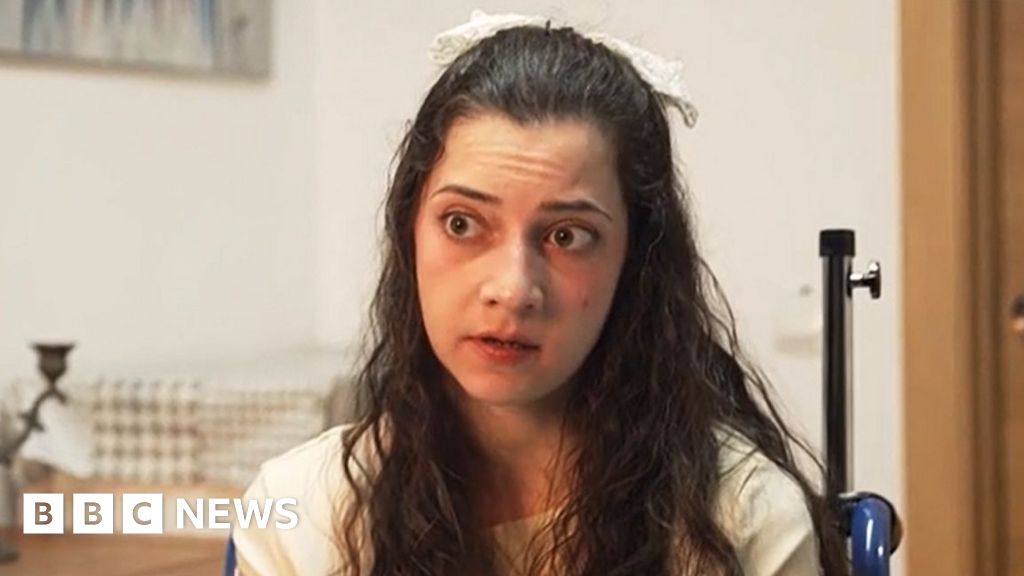

The Death of Noelia Castillo: A Tragic Tale of Family, Law, and Global Implications
The lifeless body of Noelia Castillo, a 16-year-old girl from Barcelona, lay in a hospital bed on Thursday evening, marking the end of a harrowing legal battle that pitted her against her own father. Her death, resulting from a rare degenerative disease, has sparked a heated debate about parental rights, medical ethics, and the limitations of the law. This tragic case transcends borders, raising questions about how societies worldwide navigate the complex intersections of family, autonomy, and healthcare decisions.
The Battle Over Noelia’s Life
Noelia Castillo had been diagnosed with a severe degenerative condition years ago, leaving her dependent on life-sustaining medical interventions. Her mother, who had primary custody, advocated for her daughter to continue receiving treatment, believing in the slim chance of recovery. Her father, however, argued that prolonging her suffering was inhumane and pushed for the withdrawal of life support.
The case reached Spain’s highest courts, where judges were forced to weigh the rights of parents, the best interests of the child, and the ethical obligations of medical professionals. After months of legal wrangling, the court ruled in favor of the father, allowing the hospital to cease treatment. Noelia passed away shortly thereafter, leaving her family fractured and igniting a firestorm of public opinion.
Global Context: The Ethics of Life and Death Decisions
Noelia’s story is not unique. Similar cases have emerged worldwide, from the UK’s Charlie Gard controversy to the US’s Terri Schiavo saga. These cases highlight the universal struggle to balance individual rights, familial authority, and medical judgment. In many countries, legal systems are ill-equipped to handle such emotionally charged disputes, often leaving families and medical professionals in limbo.
In Spain, where the Catholic Church still wields significant influence, the case has reignited debates about euthanasia and the right to die with dignity. Similar discussions are ongoing in countries like Italy, Germany, and Belgium, where laws governing end-of-life care vary widely. Meanwhile, in nations with less robust healthcare systems, such as India and Brazil, cases like Noelia’s are often decided informally, leaving vulnerable populations at risk.
Why This Matters: A Global Conversation
Noelia’s death underscores the urgent need for global dialogue on end-of-life care. As medical technology advances, so too does our ability to prolong life—but at what cost? Families, governments, and healthcare providers must grapple with the ethical, legal, and emotional dimensions of these decisions.
Globally, the lack of unified guidelines creates disparities in how such cases are handled. In some countries, parental rights take precedence; in others, medical expertise dictates outcomes. This inconsistency can lead to confusion, inequality, and prolonged suffering for patients and their loved ones.
Moreover, Noelia’s case highlights the broader issue of mental health and familial conflict in crisis situations. The strain of navigating such a legal and emotional minefield can have lasting psychological effects on families, often leaving scars that transcend generations.
The Human Cost: A Family Torn Apart
Behind the legalities and headlines lies a deeply human story. Noelia’s parents, once united in love, found themselves on opposite sides of a life-and-death decision. Their public feud has exposed the raw vulnerability of families facing impossible choices.
Friends and relatives have described Noelia as a spirited and resilient girl, beloved by those who knew her. Her death has left a void that words cannot fill, and her legacy will forever be intertwined with the contentious issues her case has brought to light.
Looking Ahead: Lessons for the Future
Noelia Castillo’s death serves as a sobering reminder of the complexities inherent in modern medicine and law. As societies continue to evolve, so too must our approaches to these difficult questions. Clearer legal frameworks, greater access to mental health support, and a more nuanced understanding of ethical dilemmas are essential steps forward.
Her story also highlights the importance of empathy and compassion in navigating such disputes. While the law provides a structure for decision-making, it cannot replace the human connections that bind us together.
Conclusion: A Call for Reflection and Change
The death of Noelia Castillo is more than just a personal tragedy; it is a global wake-up call. Her case forces us to confront uncomfortable truths about the limits of medicine, the power of the law, and the fragility of human relationships. As the world grapples with these issues, one thing is clear: meaningful change is needed to ensure that no family has to endure such pain again.
Noelia’s legacy will endure, not only in the hearts of those who loved her but also in the ongoing conversations about how we care for the most vulnerable among us. Her death is a stark reminder that, in the face of unimaginable loss, we must strive for understanding, compassion, and justice.
