


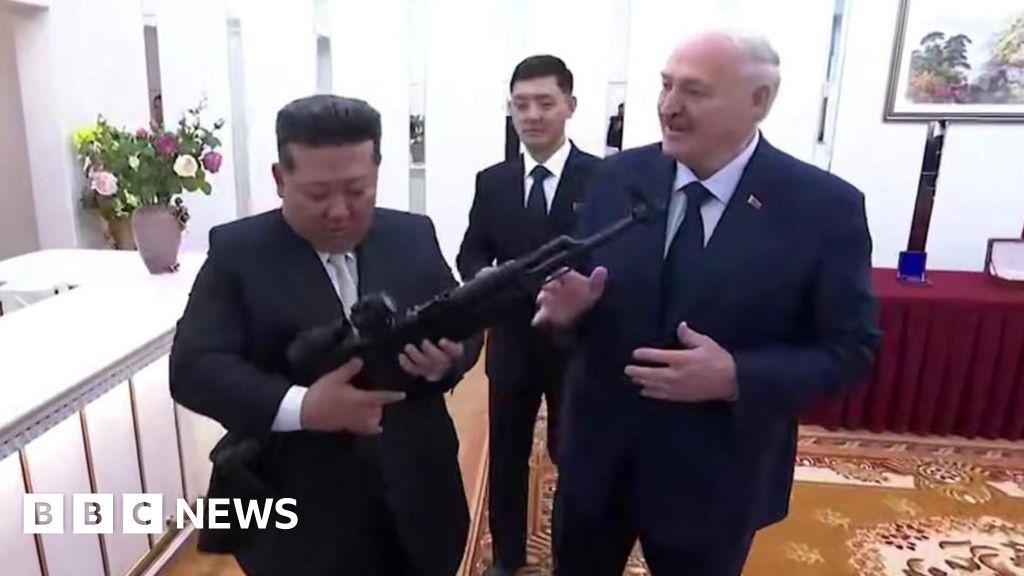

Lukashenko’s Pyongyang Visit Strengthens Axis of Authoritarian War Support
A Dangerous Alliance Deepens
In a move that underscores the growing alignment of authoritarian regimes backing Russia’s war in Ukraine, Belarusian leader Alexander Lukashenko arrived in Pyongyang this week for high-level talks with North Korean dictator Kim Jong Un. The meeting, shrouded in secrecy yet brimming with geopolitical implications, signals a tightening bond between two of Moscow’s most crucial allies—both of whom have supplied weapons, political cover, and logistical support to sustain Russia’s grinding invasion. As Western sanctions strain Moscow’s war machine, the Kremlin’s reliance on pariah states like Belarus and North Korea has deepened, reshaping global security dynamics in ways that could prolong the conflict and destabilize international order.
The Strategic Significance of the Lukashenko-Kim Summit
Lukashenko’s visit marks the first time a Belarusian leader has traveled to North Korea since the fall of the Soviet Union. The optics alone are striking: two of the world’s most isolated regimes, both under heavy international sanctions, publicly reinforcing their ties. State media from both countries framed the discussions as a step toward “comprehensive cooperation,” with Kim praising Belarus as a “true friend.”
Analysts suggest the talks likely focused on three key areas:
- Military Supplies – North Korea has already shipped artillery shells, rockets, and ballistic missiles to Russia, while Belarus has provided staging grounds for Russian troops and drone production. A formalized arms pipeline could further bolster Moscow’s depleted stockpiles.
- Sanctions Evasion – Both Minsk and Pyongyang have mastered circumventing Western economic restrictions. Sharing tactics could help Russia sustain its war economy.
- Diplomatic Backing – Belarus and North Korea have consistently voted against UN resolutions condemning Russia’s invasion, offering Moscow crucial political insulation.
The meeting also comes as Ukraine’s counteroffensive struggles to break through entrenched Russian defenses. If Pyongyang and Minsk escalate weapons transfers, Kyiv could face even deadlier battlefield conditions.
Global Implications: A Fracturing World Order
The Lukashenko-Kim summit is more than a symbolic handshake—it’s a symptom of a broader realignment in global power structures. As democratic nations rally behind Ukraine, authoritarian regimes are forming their own bloc, united by opposition to Western influence. China, though cautious in its overt support for Russia, has also deepened economic and military ties with both Belarus and North Korea, creating a loose but potent coalition.
This shift carries dangerous long-term consequences:
- Proliferation Risks – North Korea’s missile technology in Russian hands could embolden rogue states to expand arms deals, undermining non-proliferation efforts.
- Erosion of Sanctions – If sanctions fail to cripple Russia’s war effort, other aggressors may see them as ineffective, weakening a key tool of international deterrence.
- Proxy Conflict Expansion – Belarus and North Korea’s involvement raises the specter of a wider war, with more nations indirectly fueling the fighting.
Why This Matters Beyond Ukraine
The Belarus-North Korea partnership isn’t just about Ukraine—it’s a test case for how authoritarian regimes collaborate under pressure. If their support helps Russia outlast Western resolve, it could encourage similar alliances in future conflicts, from Taiwan to the Middle East. Already, Iran has supplied drones to Russia, while Syria and Venezuela have offered rhetorical backing. The war in Ukraine is no longer a regional struggle; it has become a global contest between democracies and autocracies over which system can better sustain prolonged conflict.
Conclusion: A Gathering Storm
As Lukashenko and Kim solidify their alliance, the world faces a stark reality: the Ukraine war is accelerating the formation of an authoritarian axis that thrives on chaos, circumvents international law, and fuels prolonged warfare. Western leaders must decide whether to counter this trend with stronger enforcement of sanctions, enhanced military aid to Ukraine, or diplomatic isolation of these regimes. One thing is certain—the longer the war drags on, the more entrenched these alliances will become, reshaping global security in ways that may prove irreversible. The time to act is now, before the next front in this shadow war emerges.
