



China Pushes for Modernization of Grain Processing in Bid to Bolster Food Security
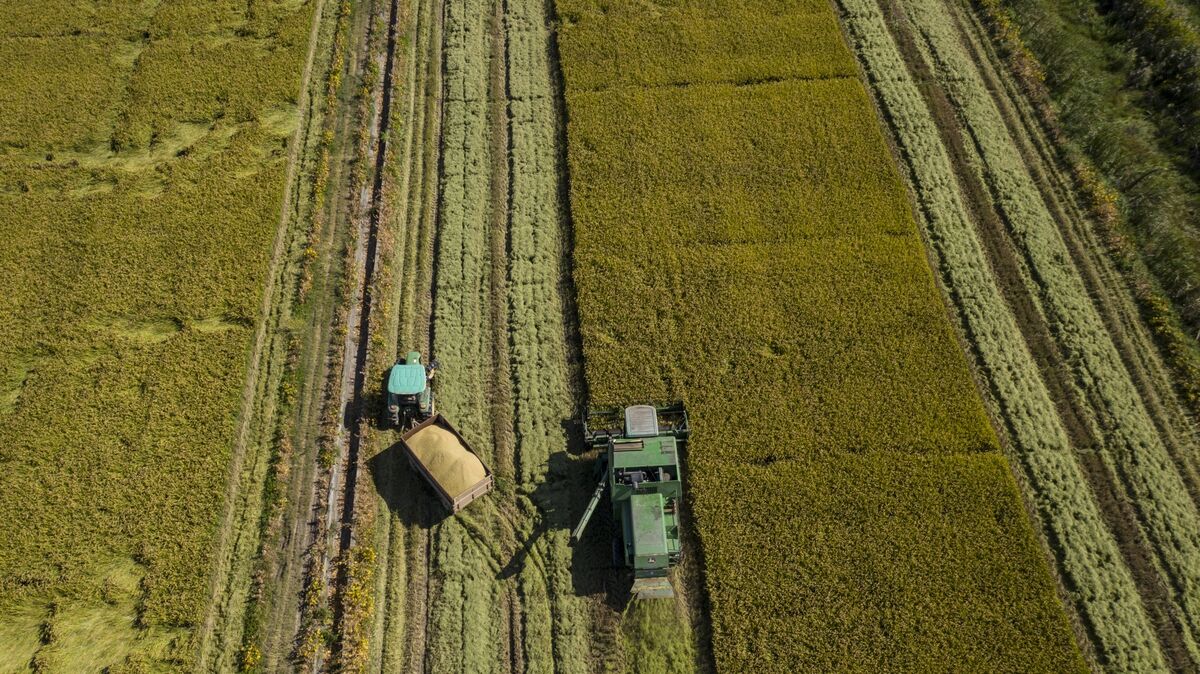
In a significant move to reinforce its food security and modernize its agricultural supply chain, China is now directing private grain processors to expand and upgrade whole-grain production. This initiative is part of a broader national strategy to ensure self-sufficiency in food production amid growing global uncertainties, ranging from climate change to geopolitical tensions. The policy underscores Beijing’s commitment to safeguarding its population’s dietary needs while adapting to the challenges of a rapidly changing world.
The directive, issued by China’s State Administration for Market Regulation, calls for increased investment in whole-grain processing facilities and the adoption of advanced technologies to enhance efficiency and quality. Whole grains, which include unrefined cereals like brown rice, oats, and wheat, are a staple in Chinese diets and are increasingly recognized for their nutritional benefits. By modernizing this sector, China aims to reduce reliance on imported grains, minimize food waste, and ensure a stable supply of affordable, high-quality staples for its 1.4 billion citizens.
Context: Food Security as a National Priority
Food security has long been a cornerstone of China’s national policy. As the world’s most populous nation, China consumes nearly 20% of the globe’s total grain output annually. Despite being the largest producer of wheat and rice, the country still imports substantial quantities of corn, soybeans, and other grains to meet domestic demand. Recent years have seen this dependency exacerbated by disruptions in global supply chains caused by the COVID-19 pandemic, extreme weather events, and ongoing trade tensions with major exporters like the United States and Australia.
The COVID-19 crisis, in particular, exposed vulnerabilities in China’s food supply chain, prompting the government to prioritize self-reliance. In its 14th Five-Year Plan (2021–2025), Beijing emphasized the need to modernize agriculture, enhance crop yields, and reduce reliance on foreign suppliers. The latest directive targeting grain processors aligns with these objectives, signaling a strategic shift toward greater domestic control over food production.
The Role of Private Grain Processors
Private grain processors play a pivotal role in China’s agricultural ecosystem, bridging the gap between farmers and consumers. These companies handle the storage, milling, and distribution of grains, ensuring that raw agricultural products are transformed into consumable goods. However, much of China’s processing infrastructure remains outdated, leading to inefficiencies and significant food loss.
Under the new policy, private processors are encouraged to invest in modern equipment, such as automated milling machines and advanced storage facilities, to extend the shelf life of whole grains and reduce spoilage. Additionally, the government is offering financial incentives, including tax breaks and subsidies, to spur innovation and expansion in the sector. This approach aims to create a more resilient and sustainable food supply chain while fostering growth in the agricultural processing industry.
Nutritional and Environmental Benefits
The push for whole-grain production also aligns with broader public health and environmental goals. Whole grains are rich in fiber, vitamins, and minerals, making them a healthier alternative to refined grains like white rice and flour. Over the past decade, China has witnessed a rise in diet-related diseases such as obesity and diabetes, prompting the government to promote healthier eating habits. By increasing the availability of whole-grain products, the initiative seeks to improve public health outcomes and reduce the burden on the country’s healthcare system.
From an environmental perspective, whole-grain processing generates less waste compared to refined grain production, which removes the nutrient-rich bran and germ layers. By minimizing food waste and optimizing resource use, China’s grain processing modernization drive contributes to the nation’s broader sustainability agenda. This is particularly critical as China strives to meet its carbon neutrality targets by 2060.
Challenges and Criticisms
While the initiative has been widely applauded for its forward-looking approach, it is not without challenges. Upgrading grain processing infrastructure requires significant capital investment, which could strain smaller businesses in the sector. Critics argue that the policy may disproportionately benefit larger companies with deeper pockets, potentially squeezing out smaller players and reducing competition.
There are also concerns about the potential impact on farmers. Increased demand for whole grains could lead to higher prices for raw materials, benefiting producers but potentially raising costs for consumers. Balancing these competing interests will be crucial to the policy’s success.
International observers have noted that China’s focus on self-sufficiency could further strain global grain markets. As the country reduces its reliance on imports, major exporters may face declining demand, impacting their economies. However, Chinese officials have emphasized that the policy is not aimed at curtailing international trade but rather at ensuring domestic stability in an increasingly unpredictable world.
Global Implications
China’s grain processing initiative has broader implications for global food security. As the world’s largest consumer and producer of grains, China’s policies often have ripple effects across international markets. By modernizing its agricultural supply chain and reducing food waste, China could set a benchmark for other nations grappling with similar challenges.
The initiative also highlights the growing importance of technology in agriculture. Advanced processing techniques, data-driven management systems, and automation are increasingly seen as essential tools for addressing food security concerns in the face of climate change and population growth. China’s efforts to integrate these technologies into its agricultural sector could inspire similar innovations worldwide.
Conclusion
China’s directive to modernize whole-grain production marks a bold step toward securing its food supply chain and addressing pressing public health and environmental concerns. While the initiative presents challenges, its potential benefits—ranging from improved nutrition to greater sustainability—are substantial. As China navigates the complexities of food security in an era of global uncertainty, its approach could serve as both a model and a cautionary tale for other nations.
In a world where the stability of food supplies is increasingly precarious, China’s efforts to future-proof its agricultural sector underscore the critical interplay between policy, technology, and sustainability. Whether this strategy will achieve its ambitious goals remains to be seen, but it undoubtedly reflects the nation’s determination to remain resilient in the face of evolving global challenges.
