


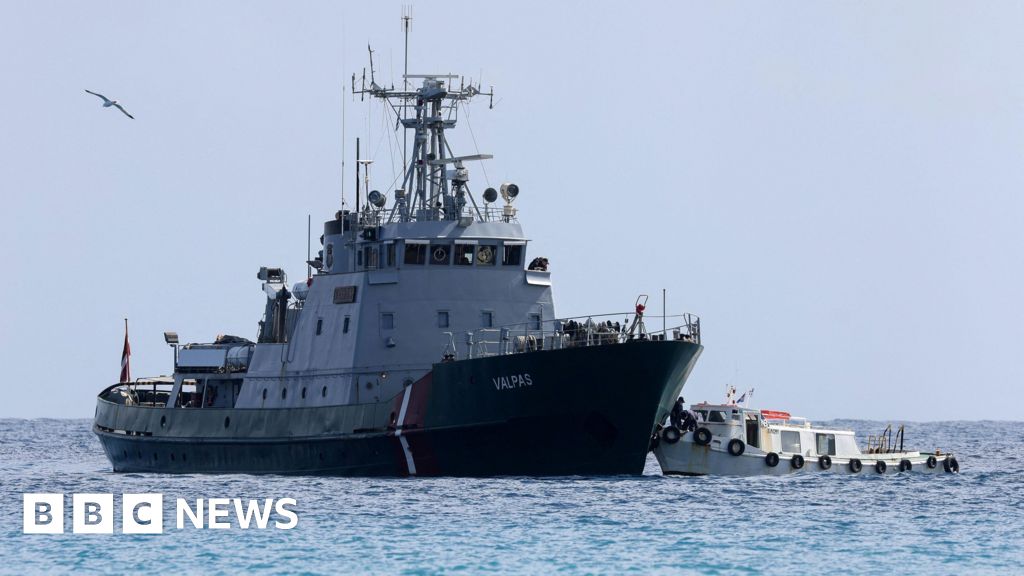

Mediterranean Migrant Tragedy: Over 60 Perish in Boat Disaster Amid Harsh Conditions
The Mediterranean Sea, once a cradle of ancient civilizations, has become a graveyard for hopes and dreams. Over 60 migrants, including women and children, lost their lives this week after their overcrowded boat capsized off the coast of Greece. According to the Greek Coast Guard, relentless poor weather, a dire lack of food, and acute water shortages compounded the tragedy. This incident underscores the perilous journey thousands undertake each year, fleeing conflict, poverty, and persecution in search of safety and a better life.
The Incident: A Desperate Journey Turned Deadly
The ill-fated vessel, carrying an estimated 100 passengers, was reportedly en route from Turkey to Italy when it encountered severe weather conditions. Greek authorities responded to distress calls near the island of Crete, but by the time rescuers arrived, the situation had turned catastrophic. Survivors recounted harrowing tales of waves battering the fragile boat, leaving passengers clinging to life amidst freezing temperatures and diminishing supplies.
The Greek Coast Guard confirmed that 31 individuals were rescued, while the bodies of 60 others were recovered. Many more are feared missing, raising the likelihood of a significantly higher death toll. Initial investigations suggest the boat was not seaworthy, lacking proper navigation equipment and life-saving apparatus.
Global Context: Migrant Routes and Rising Risks
This tragedy is not an isolated event but part of a broader, escalating crisis in the Mediterranean. According to the International Organization for Migration (IOM), the Mediterranean remains the world’s deadliest migration route, with over 20,000 deaths recorded since 2014. The central Mediterranean route, spanning from North Africa to Italy, is particularly treacherous, often exploited by smugglers who pack migrants into unseaworthy vessels.
The surge in migration can be attributed to ongoing conflicts in the Middle East, political instability in North Africa, and worsening economic conditions in parts of Asia. The war in Ukraine has further strained global resources, diverting attention and aid from other humanitarian crises.
Why This Tragedy Matters Globally
The Mediterranean migrant crisis is a stark reminder of the human cost of geopolitical instability and inequality. It highlights the failure of international systems to address the root causes of migration and provide safe, legal pathways for those fleeing hardship.
This incident also underscores the moral and logistical challenges faced by countries on the frontlines of migration. Greece, Italy, and other southern European nations have long called for greater burden-sharing within the European Union, but political disagreements have stalled meaningful action. Meanwhile, anti-immigrant sentiment continues to rise in many countries, complicating efforts to implement humane and effective policies.
Globally, the tragedy serves as a wake-up call for nations to address the underlying drivers of migration, from conflict resolution to economic development. It also raises urgent questions about the responsibilities of wealthier nations in providing sanctuary to those in need.
Humanitarian Response and Political Implications
In the wake of the disaster, humanitarian organizations have urged European leaders to prioritize search-and-rescue operations and expand legal migration channels. “People do not embark on these journeys lightly,” said Filippo Grandi, the UN High Commissioner for Refugees. “They are forced to take unimaginable risks because they see no other way to survive.”
Governments, however, remain divided. While some advocate for a more compassionate approach, others emphasize border security and deterrence. Greece, for instance, has faced criticism for its alleged pushback operations, which involve forcibly returning migrant boats to international waters.
The European Union has pledged financial assistance to countries like Greece and Italy, but critics argue that these measures are insufficient without comprehensive reform. Meanwhile, the lack of a unified response risks emboldening smugglers and perpetuating cycles of exploitation and tragedy.
Voices from the Ground: Survivors’ Stories
Survivors of the disaster paint a grim picture of the journey. “We had nothing—no food, no water, no hope,” said one survivor, a young man from Syria. “The waves were so high, and the boat was breaking apart. I lost my brother, my cousins… I don’t know how I survived.”
Such testimonies highlight the desperation driving migrants to risk everything. Many sell their possessions to pay smugglers, only to face unimaginable horrors at sea.
Conclusion: A Call for Global Solidarity
The Mediterranean migrant crisis is not merely a regional issue but a global challenge that demands collective action. The deaths of these 60 individuals are a tragic reminder of the human suffering that persists when the international community fails to act decisively.
As the world grapples with overlapping crises—from climate change to armed conflict—the need for compassionate, coordinated responses has never been greater. The Mediterranean should be a bridge between cultures, not a graveyard for dreams. It is time for nations to come together, prioritize human dignity, and ensure that tragedies like this one become a thing of the past.
The Mediterranean’s azure waters have witnessed countless stories of survival and loss. This latest tragedy serves as a somber call to action—a plea for humanity to rise above politics and prioritize the lives of those who have no choice but to risk everything for a chance at safety.
