



New Delhi’s Iconic Street Food Culture Endures Amid Urban Transformation
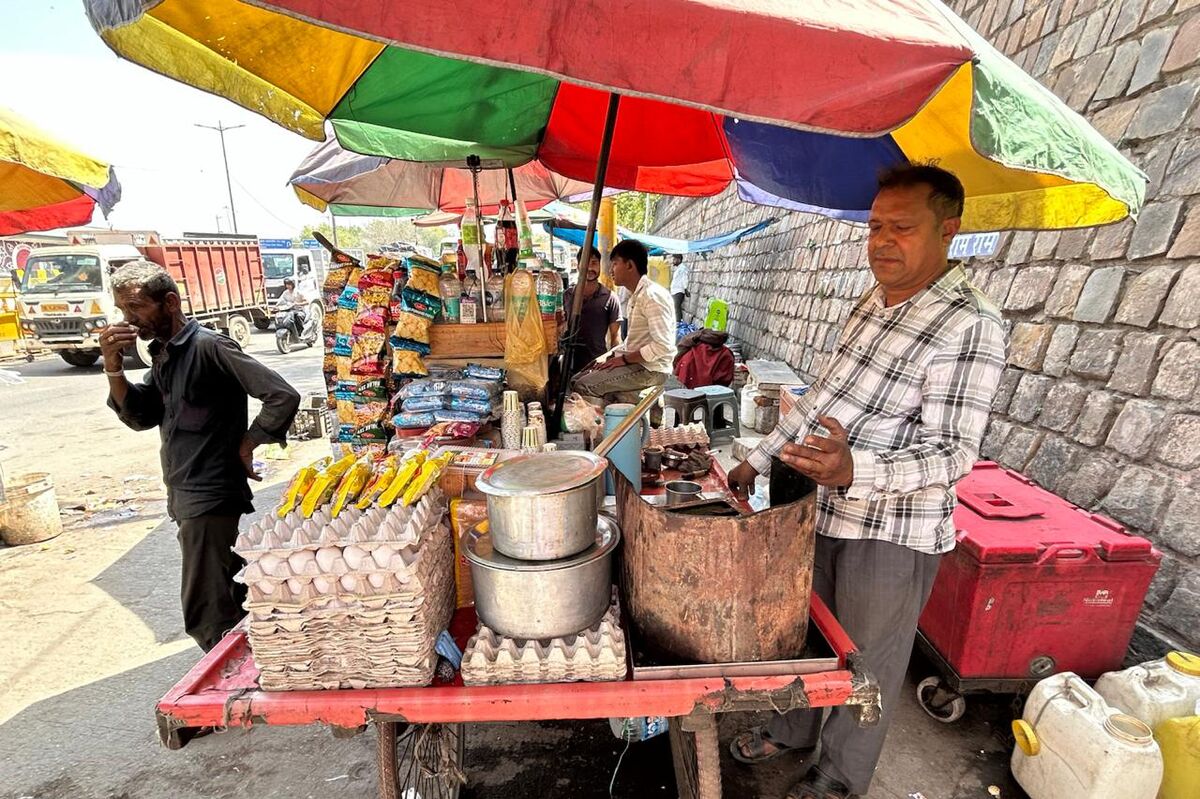
In the heart of India’s bustling capital, where the cacophony of honking horns and the hum of hurried footsteps fill the air, a humble yet vibrant culinary tradition thrives. Just outside New Delhi’s main bus terminus, a cluster of food stalls—each sheltered under makeshift canopies—has been serving pan-fried flatbreads, hearty stews, and steaming cups of tea to weary travelers for decades. This enduring scene is more than just a pitstop for sustenance; it is a testament to the resilience of street food culture in a city undergoing rapid modernization.
Despite the relentless march of urbanization and the growing presence of global fast-food chains, these roadside vendors remain a cornerstone of Delhi’s identity. Their offerings, simple yet deeply flavorful, are steeped in tradition and provide a lifeline for commuters navigating the chaos of one of the world’s most populous cities. Yet, as New Delhi continues to evolve, these age-old practices face mounting challenges, from rising costs to stricter regulations.
A Tradition Rooted in Necessity
The origins of street food in India date back centuries, born out of necessity in a country where communal dining and quick, affordable meals were essential. In New Delhi, this tradition has flourished, particularly around transportation hubs like the main bus terminus. Here, vendors cater to a diverse clientele—daily commuters, long-distance travelers, and even locals seeking a quick bite.
The menu is a reflection of India’s rich culinary heritage. Vendors skillfully prepare parathas, flaky flatbreads stuffed with spiced potatoes or paneer, and serve them with tangy pickles and cooling yogurt. Hearty stews, often made with lentils or chickpeas, provide comfort during the city’s chilly winters. And no meal is complete without a steaming cup of masala chai, spiced tea brewed with ginger, cardamom, and cloves.
These dishes are not just meals; they are a cultural currency, offering a taste of home to those far from it and a momentary escape from the stresses of daily life. For many, stopping at these stalls is a ritual, a pause in the relentless rhythm of urban existence.
Challenges in a Changing Landscape
However, the future of these street-side vendors is far from certain. As New Delhi grows, so too does the pressure on its public spaces. Authorities have increasingly sought to regulate street vendors, citing concerns over hygiene, traffic congestion, and urban aesthetics. In recent years, many vendors have been relocated to designated markets or pushed out entirely, disrupting decades-old routines.
Economic challenges also loom large. The cost of ingredients has risen steadily, squeezing already thin profit margins. Many vendors struggle to compete with the convenience and marketing power of global fast-food chains, which have proliferated in recent years.
Yet, despite these obstacles, the vendors persist, driven by a deep-rooted passion for their craft and a commitment to serving their communities. “This is not just a business for us; it’s a way of life,” says Mohan Kumar, a second-generation vendor who has been selling parathas at the bus terminus for over 20 years. “My father started this stall, and I’ve been here since I was a boy. I don’t know anything else.”
A Symbol of Resilience
The endurance of New Delhi’s street food culture is emblematic of a broader resilience in the face of change. While the city’s skyline is increasingly dotted with soaring skyscrapers and shopping malls, these humble stalls remain a reminder of its roots. They are a living link to a simpler time, a time when meals were shared in the open air and community connections were forged over a shared plate.
For many, these vendors are also a source of inspiration. In recent years, initiatives have emerged to support street food vendors, from government-backed training programs to crowdfunding campaigns. Social media has played a key role, with food bloggers and influencers shining a spotlight on these often-overlooked culinary gems.
“Street food is the soul of Delhi,” says Anjali Mehta, a food historian and author. “It’s not just about the food; it’s about the people, the stories, and the sense of belonging it creates. Preserving this culture is essential, not just for the vendors but for the city as a whole.”
A Delicate Balance
As New Delhi continues to evolve, the challenge lies in striking a balance between progress and preservation. While modernization brings undeniable benefits, it also risks erasing the very elements that make the city unique. For now, the cluster of stalls outside the bus terminus stands as a small but significant bastion of tradition, a place where the aromas of freshly cooked food and the sounds of lively banter offer a fleeting respite from the pace of urban life.
Whether these stalls will endure in the years to come remains uncertain. What is clear, however, is their enduring importance—not just as purveyors of food but as custodians of a cultural legacy that continues to nourish the city’s soul. As Delhiites and travelers alike gather around these humble stalls, they are reminded of a simple truth: in a world of constant change, some traditions are worth preserving.
