



Ohio Faces Road Dilemma: Proposed Connector Raises Farmland Concerns
WALDO, Ohio — A proposed highway connector between U.S. 23 and Interstate 71 in north central Ohio has sparked a heated debate, pitting the need for improved regional transportation against the protection of farmland and rural communities. The Ohio Department of Transportation (ODOT) is currently studying the feasibility of the project, but local landowners warn it could disrupt agricultural operations and fragment their properties.
The study was initiated by state lawmakers, who asked ODOT to explore whether a new connector could enhance travel between northwest and central Ohio. While the agency insists no decisions have been made, farmers in Morrow County are already voicing strong opposition.
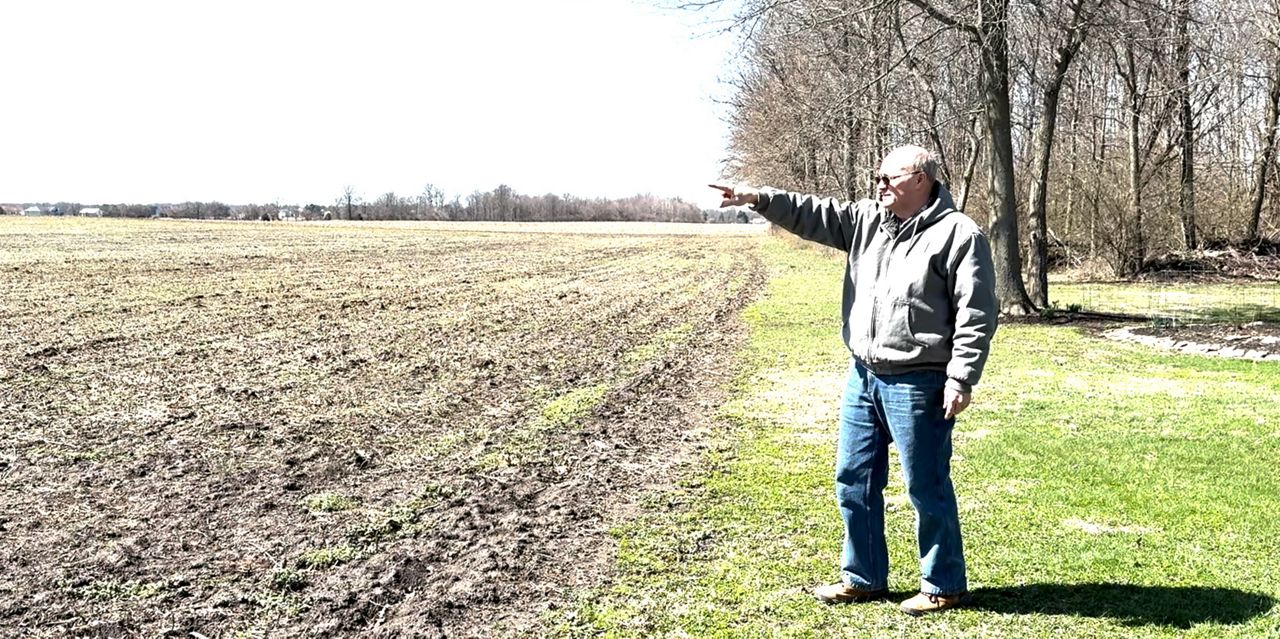
Rick Baldinger, a local farmer and landowner, is among those sounding the alarm. One of the proposed routes would slice through his property, cutting across a wooded area and a nine-acre field. “It would orphan parts of my land, leaving awkward, triangular pieces that are nearly impossible to farm,” Baldinger said. “Every route option impacts us in some way. It’s devastating.”
Baldinger expressed frustration over how the project has unfolded. Initially, he believed his land was on the periphery of the study area and unlikely to be affected. “We feel blindsided,” he said. “Now, all of a sudden, our land is in the crosshairs.”
ODOT officials emphasize that the study is in its early stages and that public input will play a crucial role in shaping the project’s future. Matt Bruning, ODOT’s press secretary, said the agency is carefully evaluating environmental, community, and cultural impacts.
“We’re looking at all the factors—how this project could benefit or harm the communities it touches,” Bruning explained. “Public feedback is essential because these are the people who will live with the consequences, whether positive or negative.”
For farmers like Baldinger, the stakes are high. Dividing farmland would complicate operations, making it harder to use large equipment and manage contiguous fields. Beyond the immediate challenges, Baldinger worries about the long-term effects on future generations of farmers.
“Leaders need to listen to the public,” he said. “There’s an overwhelming sentiment that we should focus on fixing the roads we already have. There’s barely enough funding for that, let alone spending billions on a new highway.”
The U.S. 23 corridor, which already handles heavy traffic, is a vital artery for the region. ODOT aims to assess whether a new connector could alleviate congestion and improve connectivity. However, critics argue that the potential benefits may not outweigh the costs to rural communities and farmland.
As the study continues, ODOT plans to share its findings with state lawmakers later this year. For now, the project remains in limbo, leaving farmers and residents in Morrow County anxiously awaiting the outcome.
The issue highlights a broader tension between infrastructure development and land preservation, particularly in agricultural regions. As Ohio grapples with this dilemma, the voices of those directly affected will likely play a decisive role in determining the project’s fate.
— Reported by Nexio News
