


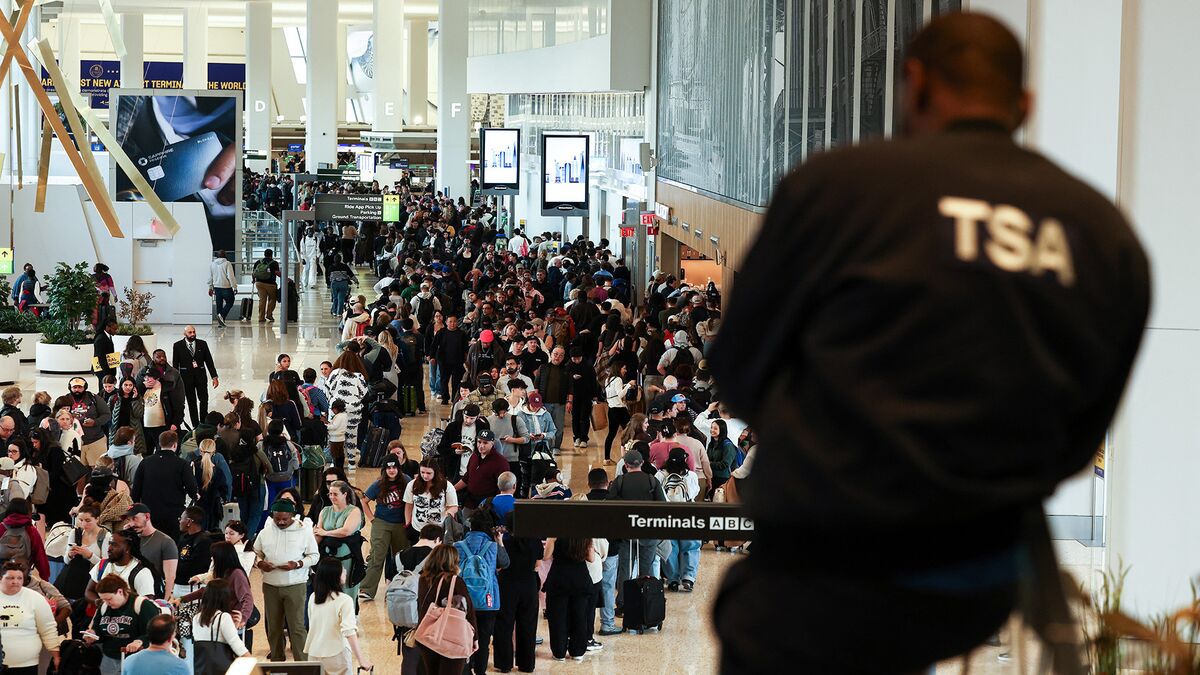

TSA Workers Face Mounting Strains as Government Shutdown Drags On
Frontline Security Officers Sound Alarm Over Unpaid Wages, Staffing Shortages
As the latest U.S. federal government shutdown stretches into its third week, Transportation Security Administration (TSA) employees are sounding the alarm over worsening working conditions, financial instability, and potential risks to national security. Jill DeJanovich, a TSA officer and union representative, spoke candidly in a recent Bloomberg This Weekend interview about the growing frustrations among frontline workers forced to report for duty without pay.
The shutdown—triggered by a congressional budget impasse—has left thousands of TSA officers in limbo, struggling to cover basic expenses while maintaining critical airport security operations. With no clear resolution in sight, concerns are mounting over employee morale, staffing shortages, and the long-term impact on travel safety.
“Working Without Pay Is Unsustainable”
DeJanovich, who serves as Chief Administrative Point of Contact for AFGE Local 1260, described the emotional and financial toll on TSA workers. “People are exhausted, stressed, and angry,” she said. “Many of us live paycheck to paycheck. Missing even one pay period means choosing between rent, groceries, or medical bills.”
Unlike some federal employees who have been furloughed during the shutdown, TSA officers are deemed “essential personnel,” meaning they must continue working despite delayed wages. While Congress has historically approved backpay after past shutdowns, the immediate financial burden is pushing many to consider leaving the agency altogether.
Staffing Shortages Threaten Airport Security
The strain on TSA personnel comes at a precarious time for U.S. aviation security. Air travel has rebounded to pre-pandemic levels, with holiday season passenger volumes adding further pressure. Reports of increased sick calls and resignations have raised concerns about longer security lines and potential vulnerabilities in screening procedures.
“Every day, we see more officers calling out or quitting,” DeJanovich noted. “When you’re understaffed, mistakes can happen. That’s not a risk we should be taking with national security.”
Industry experts warn that prolonged disruptions could erode public confidence in the TSA, which has worked for years to improve its reputation following post-9/11 growing pains. Airline executives have privately expressed worries about cascading delays if attrition worsens.
Political Standoff Leaves Workers in the Crossfire
The current shutdown stems from a deadlock between congressional leaders and the White House over funding allocations, with disagreements over border security measures at the center of negotiations. Both sides have traded blame, while federal workers bear the brunt of the stalemate.
The TSA workforce, which numbers over 50,000 nationwide, has long dealt with lower wages compared to other federal law enforcement agencies. Starting salaries for TSA officers hover around $35,000—well below the national median income—making the loss of even a single paycheck devastating for many families.
Unions like the American Federation of Government Employees (AFGE) have ramped up pressure on lawmakers, organizing protests and lobbying for emergency relief funds. “This isn’t just about paychecks,” DeJanovich emphasized. “It’s about respecting the people who keep this country safe every single day.”
Broader Economic Ripples
The shutdown’s impact extends beyond TSA employees. Contractors, small businesses near federal facilities, and airline vendors are also feeling the pinch. Economists estimate that each week of the shutdown could shave 0.1-0.2% off GDP growth, with the travel sector particularly vulnerable.
Past shutdowns have proven costly. The 2018-2019 shutdown—the longest in U.S. history—cost the economy an estimated $11 billion, according to the Congressional Budget Office. This time, with inflation still elevated and consumer sentiment fragile, the consequences could be even more severe.
What Comes Next?
As negotiations drag on, TSA workers are left with few options. Some have turned to food banks or side gigs to make ends meet, while others are dipping into savings or taking on debt. Lawmakers face mounting pressure to reach a compromise, but partisan divisions show no signs of easing.
For now, DeJanovich and her colleagues remain at their posts, ensuring travelers pass through security checkpoints safely—even as their own futures grow increasingly uncertain. “We don’t do this job for the money,” she said. “We do it because we believe in protecting this country. But belief doesn’t pay the bills.”
As the shutdown enters another critical week, the nation watches to see whether Washington’s gridlock will finally break—or whether those tasked with safeguarding the skies will be forced to shoulder the burden even longer.
